Best Native Plants for Australian Gardens
A working palette — not a national park in a 12-metre frontage. Match provenance, soil and nectar to the block you have.
By Priya Nair, Native plants editor · 11 January 2026 · 6 min read
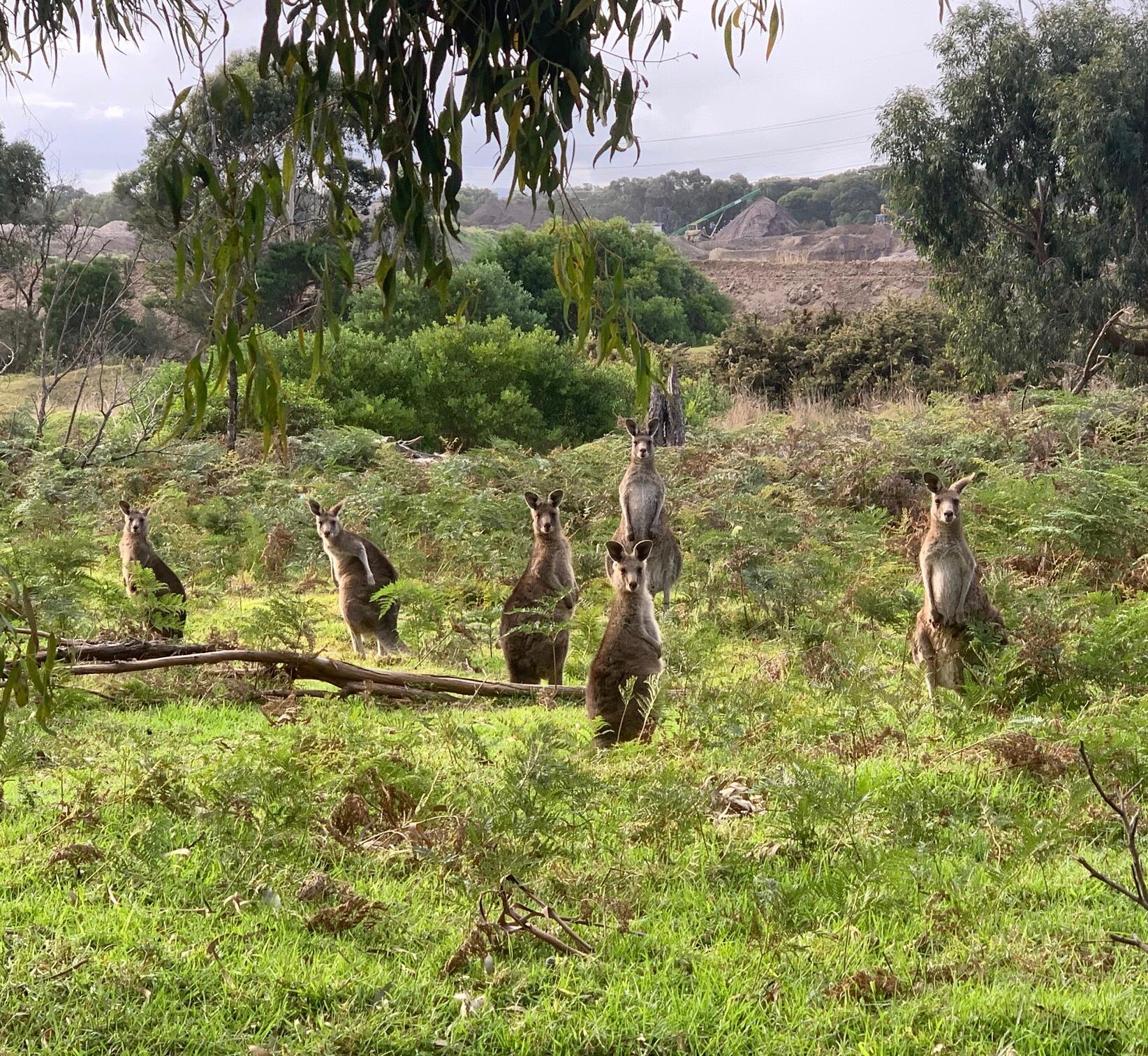
“Native” is not a planting plan. Australia is a continent. A kangaroo paw that is happy in Perth sand can sulk in a Brisbane wet season. A lilly pilly that loves the east coast humidity is a different plant from a saltbush that holds a dry fence line in SA.
This is a suburban palette for people who want birds, less water, and a garden that does not look like a hardware bargain bin of agapanthus. It is not a restoration ecology paper.
Start with the block
Write down: soil (sand, loam, clay), summer water (scheme, tank, none), frost, salt, and shade. Then ask a local native nursery — not a national chain’s generic “natives” bay — what is proven in your postcode.
Provenance matters. A Grevillea hybrid bred for flowers may be perfect. A plant collected from a different rainfall band may be a three-year death. Buy labelled, well-grown stock with a root system that is not circling.
A core list that earns its keep
Nectar and structure. A grevillea or banksia sized for the space. Grevilleas want drainage. Banksias want it even more. Do not plant them in a sump.
A hedge. Westringia (coastal rosemary) on the drier, windier sites. A compact lilly pilly where humidity and soil allow, if you accept the psyllid conversation. Syzygium and Acmena are not interchangeable with a desert shrub.
A bottlebrush. Callistemon / Melaleuca citrina and kin are forgiving, bird-loud, and happier on heavier soils than many WA genera. See the bottlebrush guide.
Strappy edges. Lomandra, Dianella, Poa — the ones that actually stay in a clump. They replace the sad mondograss strip.
A tree, if you have the room. Plant the tree you will not hate at 15 metres. Look up the mature size. A lemon-scented gum on a 12-metre block is a future court case.
Groundcovers. Myoporum parvifolium, native violets in shade, Kennedia where you want a sprawl. These are how you reduce lawn without paving the planet.
What to stop doing
Stop planting six random “native mixes” from a colour stand. Stop assuming compost is poison — many east-coast rainforest plants enjoy organic matter. Stop assuming zero water from day one. Stop clearing every leaf; the mulch of a native garden is often its own litter.
Phosphorus-sensitive WA species still exist. Use a low-P native fertiliser on those, not a rose food. The rest of the east-coast palette is less precious than internet folklore.
A native garden that works looks inevitable in year five and a bit thin in year one. That is the deal. Plant in multiples, repeat species, and let the birds finish the design. If you want a lawn as well, make it smaller and better; the buffalo versus couch piece will keep you honest.
A small-frontage planting
Two westringias as a low hedge, a compact grevillea for nectar, three lomandras along the path, a bottlebrush if the wires allow, and a groundcover instead of the last strip of dying couch. Repeat the lomandra. Repeat the groundcover. That is a garden. A collection of eighteen single plants is a catalogue.
Water them through two summers. Mulch with chip or the garden’s own leaf. Do not tidy every stem. The birds need the mess more than the street needs a shaved look.
If you keep a lawn, keep less of it. The native bed is not a punishment for the turf. It is the part that still looks like Australia when the restrictions return.
A note from the desk
Field note: the best native gardens I walk through use six species generously, not sixty species once.
Climate, soil and the long view
Australian gardens punish copied calendars. A method that works on a Melbourne clay in November can fail on a Cairns wet-season afternoon or a Perth sand in February. Keep a notebook: soil type, the week the pest arrived, the product and the active, the week the plant recovered. That notebook becomes a local almanac worth more than a national magazine spread. Share it with the next owner. Gardens are longer than our tenancies, and the useful knowledge is almost always local, modest, and written in the same Australian English we use on this desk. If a guest writer can add a climate we missed, the write for us page is open. If we got a fact wrong, use contact. The work is the garden, not the performance of certainty.
Wildlife, fire and the street
A native garden that feeds honeyeaters can also feed noisy miners if it is all nectar and no thorns. Mix in dense, prickly shrubs if you want small birds. A single grevillea in a sea of lawn is a feeder, not a habitat.
In fire-prone places, natives are not automatically safer. Fine, oily foliage near the house is still fine, oily foliage. Use your local fire authority’s planting guidance. Gravel and well-spaced shrubs near the walls, messier habitat further out.
Street trees that are native and huge will crack paths. The best native on a small frontage is often a large shrub, not a sentimental gum. Look up the mature crown. Then look up again.
Buying without regret
Avoid plants that are flowering themselves to death in a 140 mm pot with circling roots. A smaller, younger plant in a decent pot will pass the pretty one in a year. Ask what soil the nursery grew it in. A plant raised in pure sand may sulk in your composted clay, and the reverse.
If the only “natives” at the supermarket are dyed flowers in peat, go to a specialist. The extra drive is cheaper than three dead grevilleas.
Write a list of six plants. Buy multiples. Repeat. That is how a front yard becomes a place instead of a collection of wishes.
Keeping records, neighbours and the next season
The gardens that improve are the ones that write things down. Note the week a pest arrived, the active you used, the days until the plant looked better, and the soil under your nails — sand, loam or clay. Share the useful notes with a neighbour. A street that treats bindii in winter, nets fruit in spring, and waters deeply on rostered days outperforms any single heroic yard. The Green Doctor is written for that kind of suburb: practical, climate-honest, and willing to say when a plant is in the wrong hole. If your postcode behaves differently, send the desk a correction. We would rather update a guide than leave a reader watering a grub. The long view is a better lawn, a cleaner citrus, a native that lives, and fewer Saturday panic sprays. That view is built in seasons, not in a single product. Keep the secateurs sharp. Keep the mulch off the stems. Keep the questions specific. The rest is weather, which we do not command, and soil, which we can slowly help. Return to the relevant topic hub when the next job appears, and ignore any advice that cannot name an Australian climate. Certainty without a postcode is entertainment. This journal would rather be useful.
Questions gardeners ask
What natives survive a suburban Australian garden?
Local-provenance shrubs, a nectar plant such as grevillea or banksia, a tough hedge (westringia or lilly pilly), and strappy lomandra or dianella for edges.
Do natives need poor soil?
They need the right drainage. Many fail on wet clay, not because someone added compost. A composted bed that drains is fine for a lot of east-coast species.
Are natives always low water?
Once established, many are. The first two summers they drink. A WA species on Melbourne clay is not low-maintenance.
Want to add a climate the desk missed? Pitch a guest post or send a correction.
Keep reading in native gardens
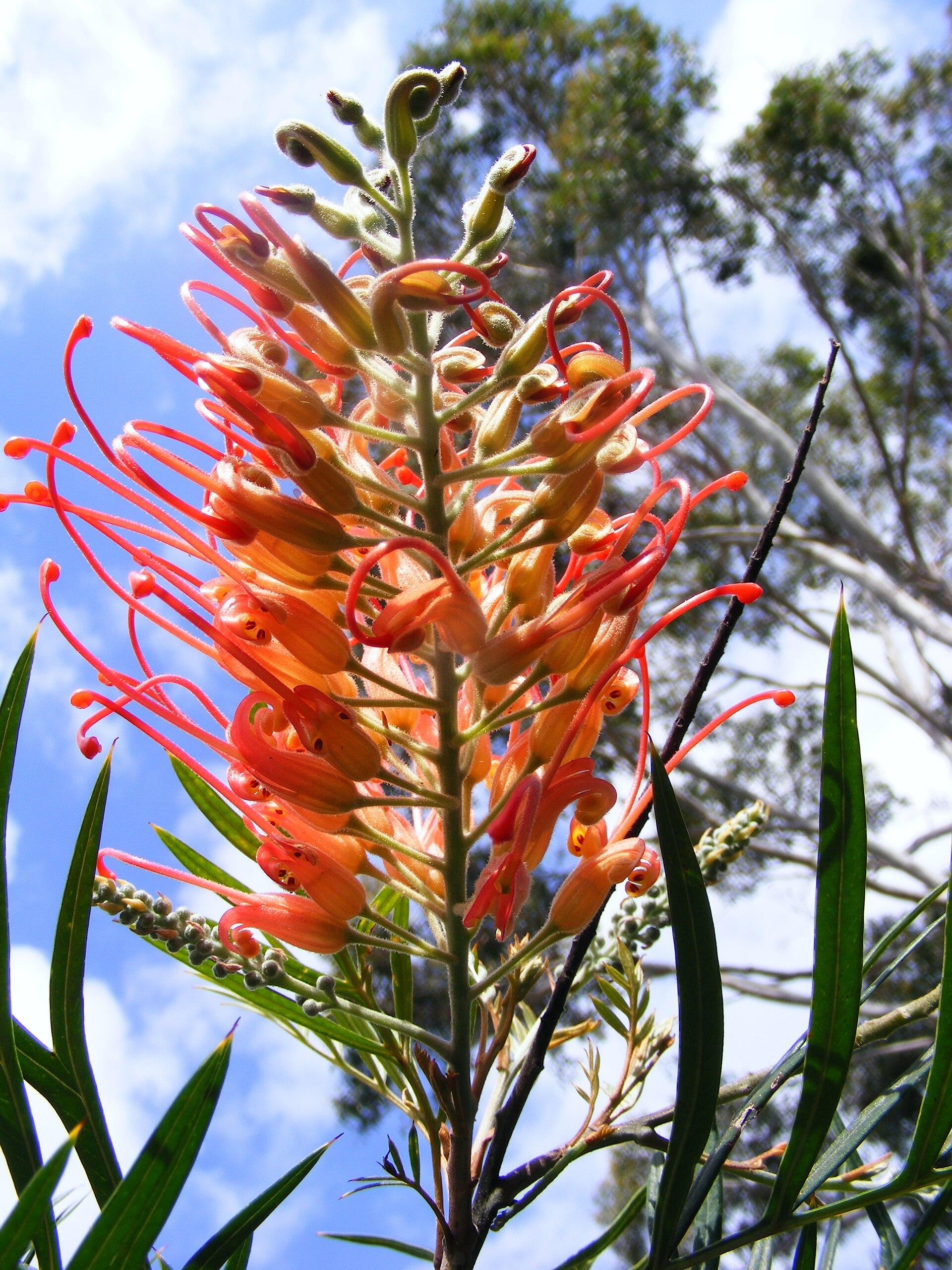
How to Grow Grevilleas
Drainage first, phosphorus second, pruning after flower. Grevilleas are not unkillable natives — they are particular shrubs with loud birds.
Priya Nair · 22 February 2026
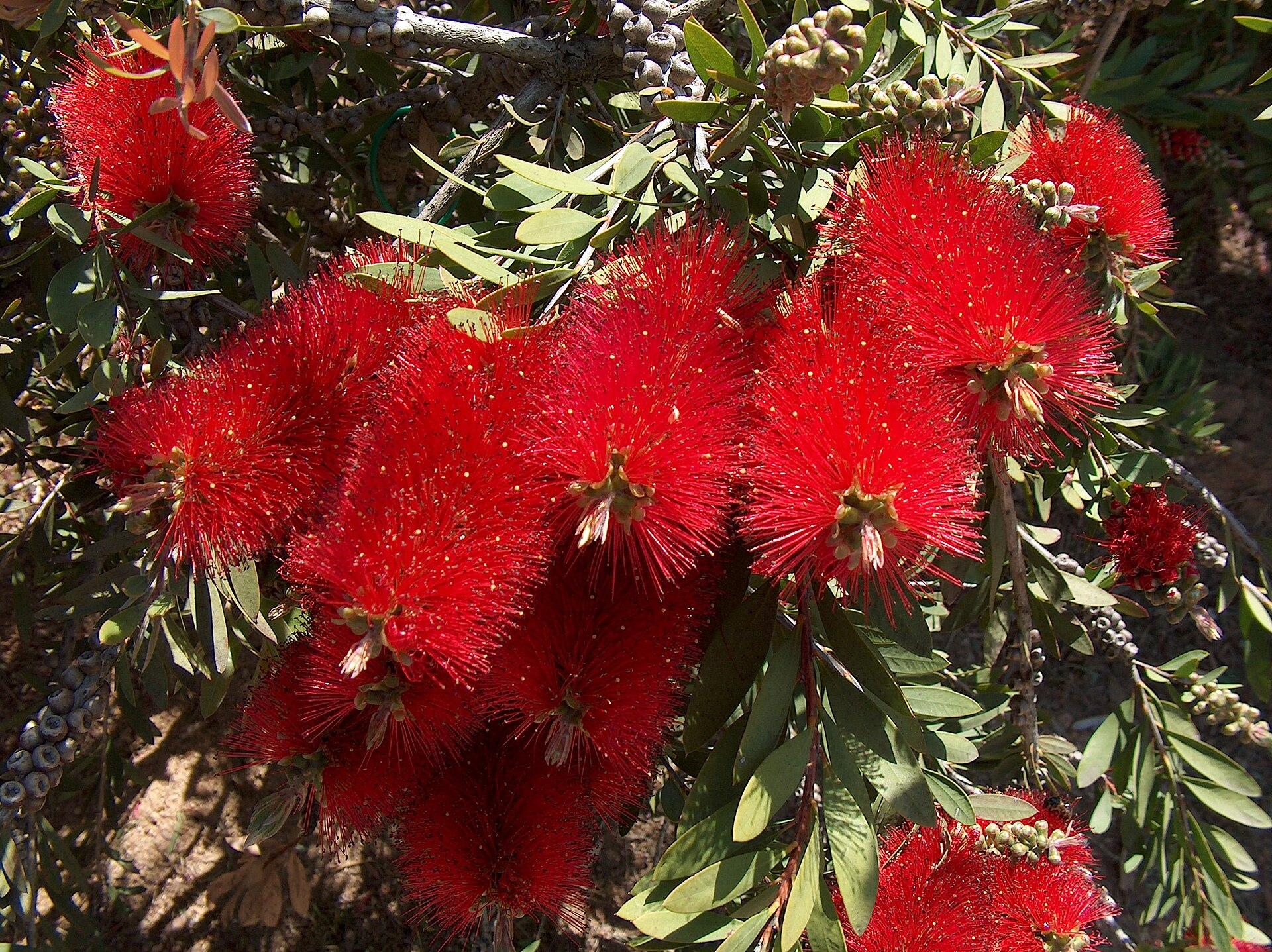
Bottlebrush Care Guide (Callistemon)
The forgiving nectar shrub: how to prune for flowers, water to establish, and live with the litter of stamens on the path.
Priya Nair · 8 March 2026
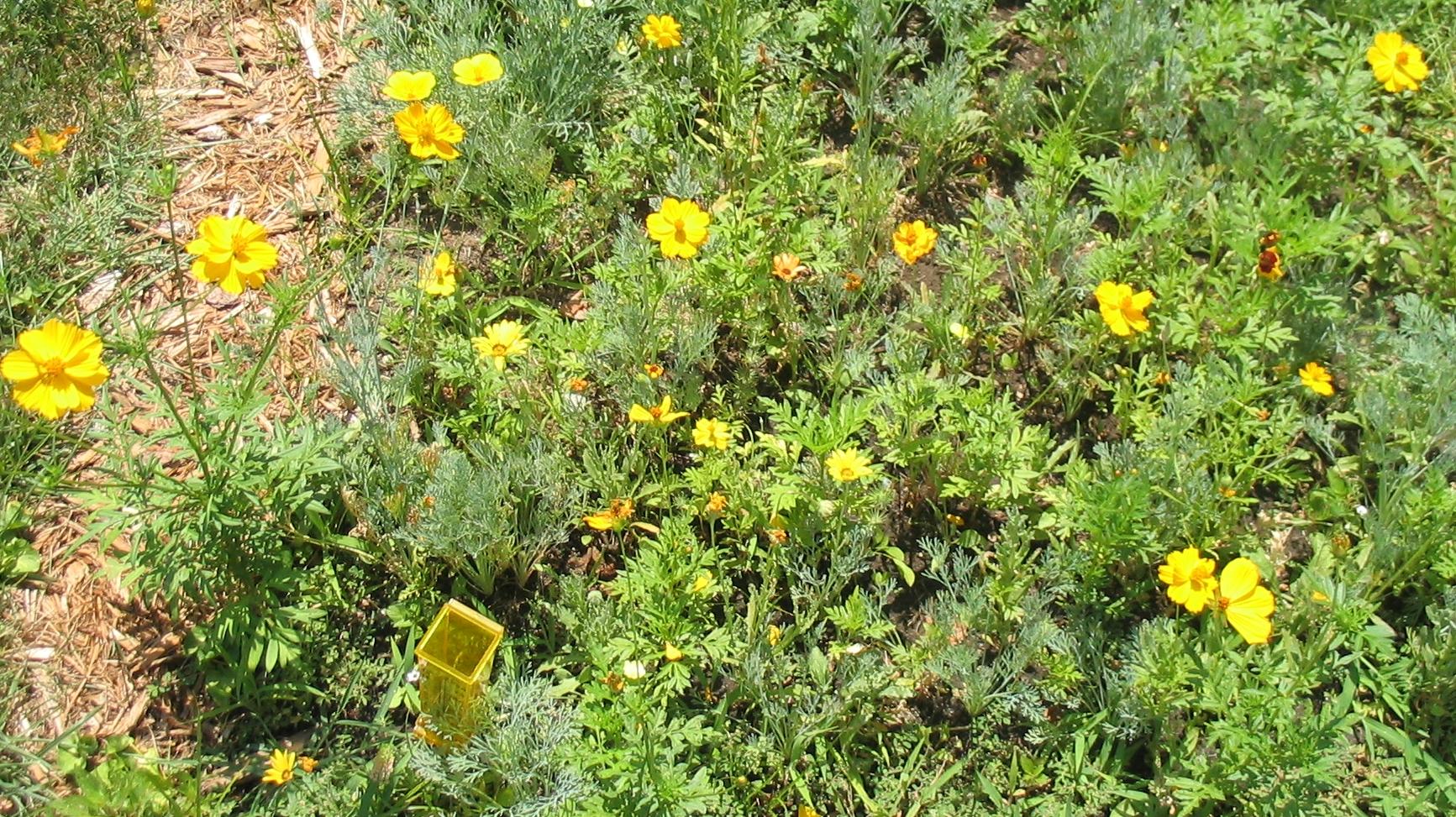
Water-wise Gardening in Australian Drought
Shrink the lawn, mulch the soil, water the roots, and plant what the rainfall can finish. Restrictions are a design brief.
Priya Nair · 18 January 2026