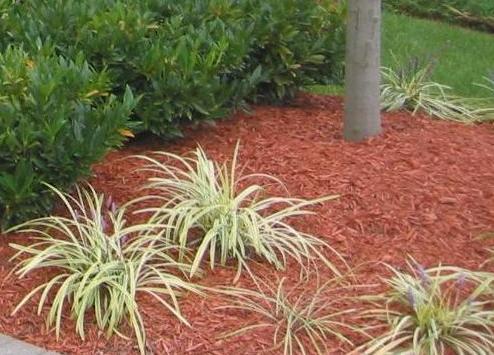
How to Mulch Garden Beds Correctly
Fifty to seventy-five millimetres, off the stems, refreshed before summer. Chip, leaf, sugarcane and gravel are different tools.
Helen Walsh · 28 March 2026
Garden, lawn and plant health care for Australian conditions
Clay, sand, compost heaps and mulch depth — the unglamorous work that decides whether anything else you do will stick.
Fifty to seventy-five millimetres, off the stems, refreshed before summer. Chip, leaf, sugarcane and gravel are different tools.
Helen Walsh · 28 March 2026
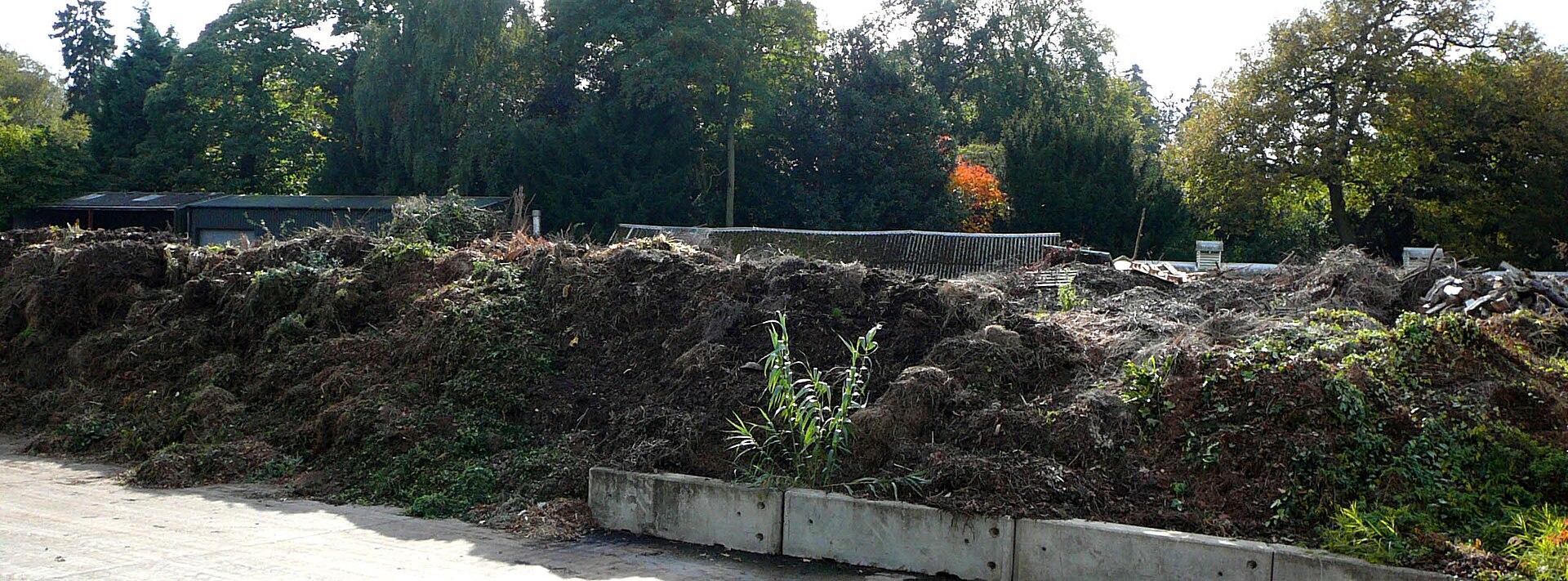
Hot heaps, cool bays and tumblers in a climate that can cook or drown a pile. Rat-smart, fruit-fly-smart, and useful.
Helen Walsh · 12 March 2026
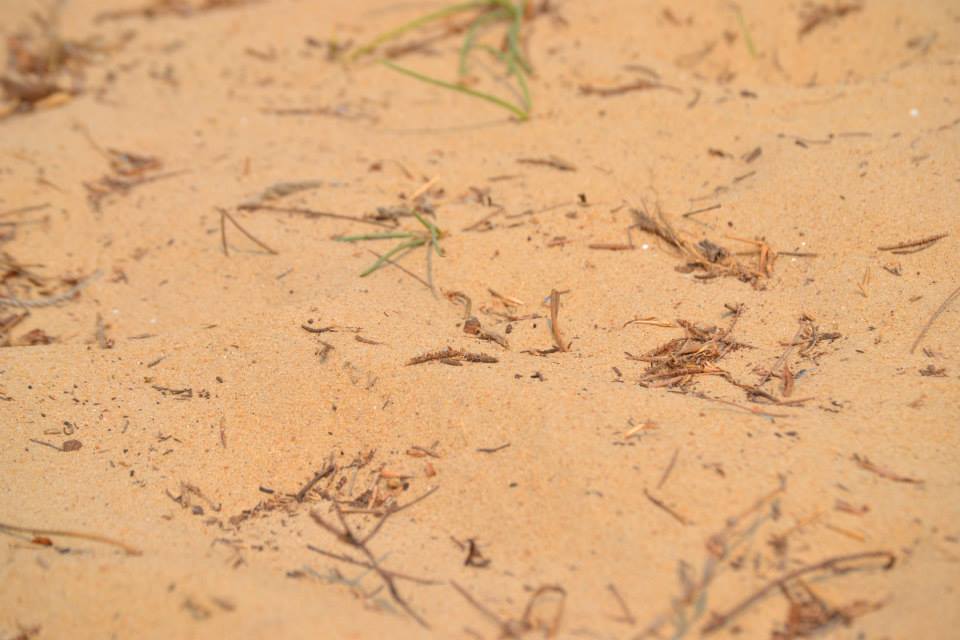
Perth sands and coastal dunes leak water and nitrogen. Compost, wetters and smaller, more frequent feeds are the work.
Helen Walsh · 9 February 2026
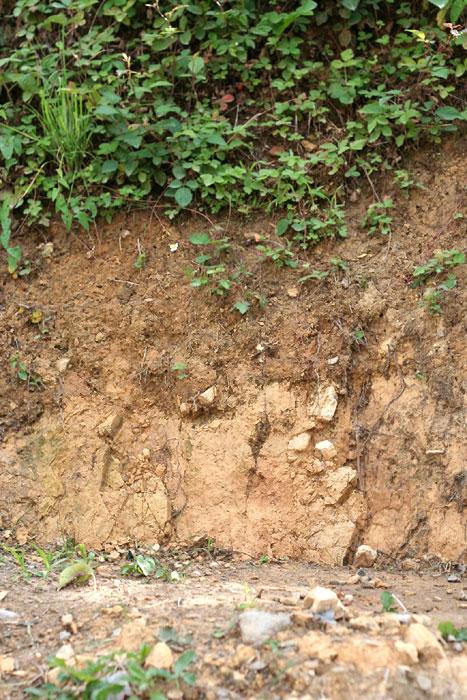
Gypsum, compost and traffic control will make clay workable. Turning it into loam in a weekend will not.
Helen Walsh · 26 January 2026
You cannot turn clay into loam in a weekend. You can make it workable: add gypsum on sodic clays, spread 50–75 mm of compost, keep traffic off wet beds, and grow cover. Gypsum helps structure; compost feeds biology. Both matter.
Aim for 50–75 mm on garden beds, kept a hand’s width off stems and trunks. Thinner than 30 mm and it vanishes. Thicker than 100 mm and you risk collar rot and hydrophobic crusts.