How to Improve Clay Soil in Australia
Gypsum, compost and traffic control will make clay workable. Turning it into loam in a weekend will not.
By Helen Walsh, Soil and compost editor · 26 January 2026 · 6 min read
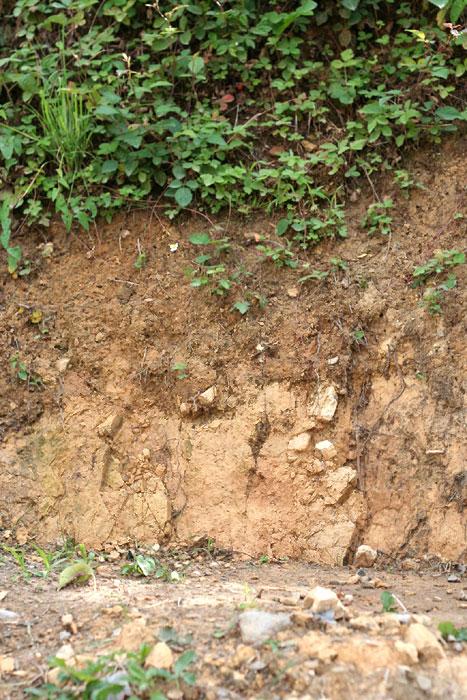
Australian clay is not a character defect. It holds water and nutrient when it is not abused. It is abused by being rotary-hoed wet, walked on in winter, and then blamed in January when it sets like pottery. Improving clay is a two-year habit, not a product.
Melbourne basalt clays, Adelaide’s heavy pockets, inland cracking clays and the occasional coastal clay over shale all misbehave in their own way. The shared rules still hold.
First, stop making it worse
Do not dig clay when it shines and smears. You destroy structure and it dries into plates. Board walks, stepping stones, and a rule that beds are not shortcuts will do more than a new fork.
Do not add a thin layer of sand and call it drainage. Sand plus clay is a brick recipe unless you add so much sand you have rebuilt the profile. You will not.
Do not plant grevilleas in a hollow and then write to us about root rot. Raise the plant or raise the bed.
Gypsum, compost, time
Gypsum (calcium sulphate) is useful on sodic clays — soils that go milky and slump in a glass of rainwater. It helps particles flocculate so water can enter. Spread it at labelled rates, water it, and do not expect a sitcom transformation. On a calcium-rich, non-sodic clay, gypsum is mostly a ritual.
Compost is the habit. Fifty to seventy-five millimetres on the surface, every year, under mulch. Worms and roots will take it down. You can fork it into the top 100 mm on a dry crumbly day. You do not need to double-dig a suburban bed unless you enjoy the physiotherapy.
Living roots hold structure. A winter green manure, a clover understory, or simply not leaving beds bare, keeps clay from sealing.
Raised beds of imported loam are honest on a building block of compacted fill. They are not a moral failure. They are how you grow tomatoes while the rest of the yard becomes a meadow.
Planting on clay
Plant on a slight mound. Keep mulch off the collar. Choose species that accept heavy soil, or accept that you will build a special place for the ones that do not. Many eucalypts, wattles, and bottlebrush cope. Many Western Australian grevilleas do not.
Lawns on clay need aeration more than they need another wetting agent. Water slowly.
Water and clay
Clay wets slowly and dries slowly. A summer storm can run off a sealed surface and leave the profile dry. A winter week can drown a root. Wetting agents help less here than on sand. Organic matter and a rough surface help more.
If a downpipe empties onto a bed, move it. If the yard grades toward the house, that is a drainage conversation with a human who understands levels, not a compost conversation.
Clay improved with compost becomes a garden. Clay punished with a rotary hoe becomes a car park that grows bindii. Pick the first. Add organic matter until you die, and teach the next owner to do the same.
A two-year plan
Year one: stop digging wet, add gypsum if a jar test says sodic, spread compost in autumn and spring, mulch, plant on mounds, put boards down for winter traffic. Year two: repeat compost, plant a green manure on empty beds, aerate the lawn, notice that the fork goes in further.
That is improvement. A skip of “garden soil” dumped on unamended clay will perch and slip. Mix, or raise a defined bed with edges. Do not create a pancake of loam on a skating rink.
Children’s play and clay: wet clay is pottery. Keep the soccer to a path or a lawn you aerate. The vegie bed is not a pitch.
A note from the desk
Field note: if the fork rings like a tool on a road, you are too early or too angry. Wait for crumb.
Climate, soil and the long view
Australian gardens punish copied calendars. A method that works on a Melbourne clay in November can fail on a Cairns wet-season afternoon or a Perth sand in February. Keep a notebook: soil type, the week the pest arrived, the product and the active, the week the plant recovered. That notebook becomes a local almanac worth more than a national magazine spread. Share it with the next owner. Gardens are longer than our tenancies, and the useful knowledge is almost always local, modest, and written in the same Australian English we use on this desk. If a guest writer can add a climate we missed, the write for us page is open. If we got a fact wrong, use contact. The work is the garden, not the performance of certainty.
Tests you can do without a lab
The sausage test: roll moist soil. If it makes a long shiny snake, you have serious clay. The jar test: shake soil in water, let it settle, see sand, silt, clay layers. The slake test: a crumb in rainwater that explodes into a cloud is likely sodic and may thank you for gypsum.
None of these replace a lab if you are planting an orchard. All of them stop you buying the wrong skip of sand.
Keep traffic off wet clay. That sentence is worth a tonne of gypsum. Boards, paths, and a gate that does not cut the corner of the bed will improve clay while you sleep.
Keeping records, neighbours and the next season
The gardens that improve are the ones that write things down. Note the week a pest arrived, the active you used, the days until the plant looked better, and the soil under your nails — sand, loam or clay. Share the useful notes with a neighbour. A street that treats bindii in winter, nets fruit in spring, and waters deeply on rostered days outperforms any single heroic yard. The Green Doctor is written for that kind of suburb: practical, climate-honest, and willing to say when a plant is in the wrong hole. If your postcode behaves differently, send the desk a correction. We would rather update a guide than leave a reader watering a grub. The long view is a better lawn, a cleaner citrus, a native that lives, and fewer Saturday panic sprays. That view is built in seasons, not in a single product. Keep the secateurs sharp. Keep the mulch off the stems. Keep the questions specific. The rest is weather, which we do not command, and soil, which we can slowly help. Return to the relevant topic hub when the next job appears, and ignore any advice that cannot name an Australian climate. Certainty without a postcode is entertainment. This journal would rather be useful.
Questions gardeners ask
How do I improve clay soil quickly?
You make it workable: gypsum on sodic clays, 50–75 mm of compost, no digging when it is wet, and plants that cope while the biology catches up.
Does gypsum fix all clay?
Gypsum helps sodic clays that disperse in water. On a non-sodic clay it does less. A jar test and, if you are serious, a soil test beat a tonne of hope.
Should I add sand to clay?
Not in hobby quantities. Sand plus clay is how people make adobe. Add organic matter, not a trailer of yellow sand.
Want to add a climate the desk missed? Pitch a guest post or send a correction.
Keep reading in soil & compost
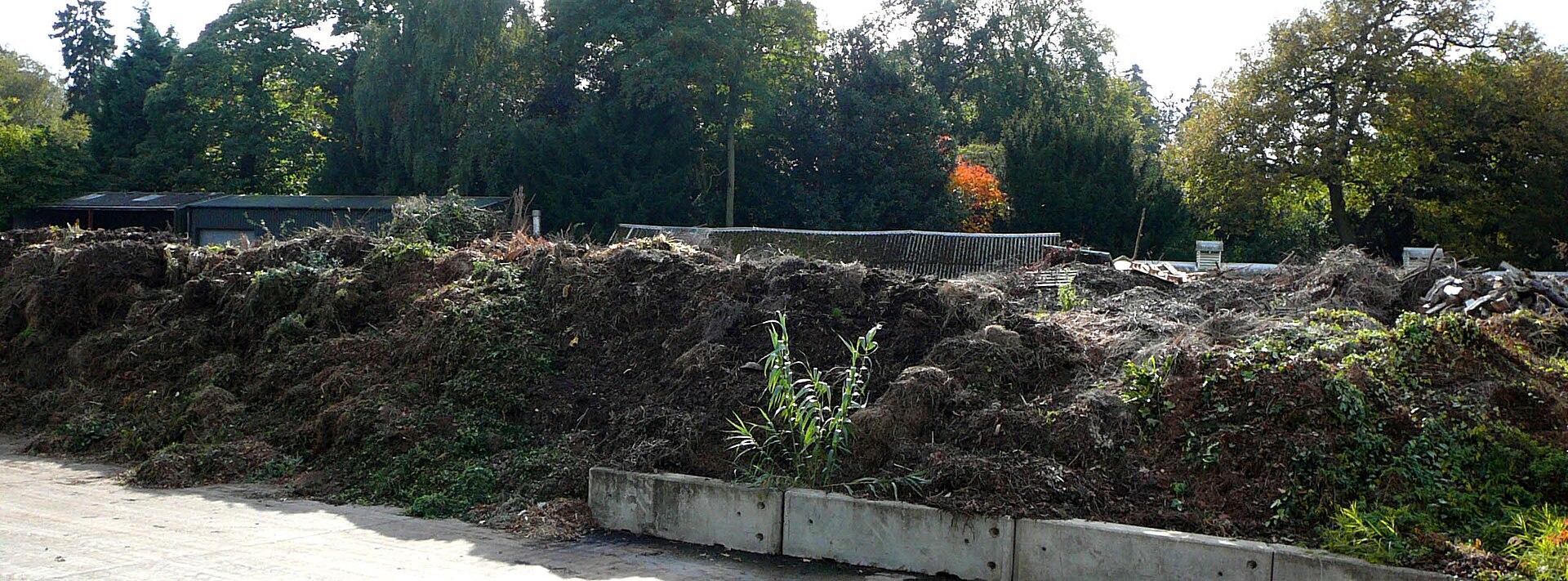
How to Compost in an Australian Backyard
Hot heaps, cool bays and tumblers in a climate that can cook or drown a pile. Rat-smart, fruit-fly-smart, and useful.
Helen Walsh · 12 March 2026
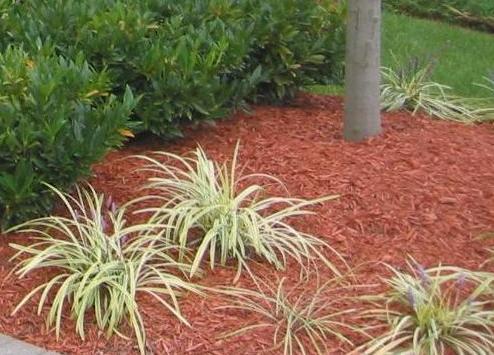
How to Mulch Garden Beds Correctly
Fifty to seventy-five millimetres, off the stems, refreshed before summer. Chip, leaf, sugarcane and gravel are different tools.
Helen Walsh · 28 March 2026
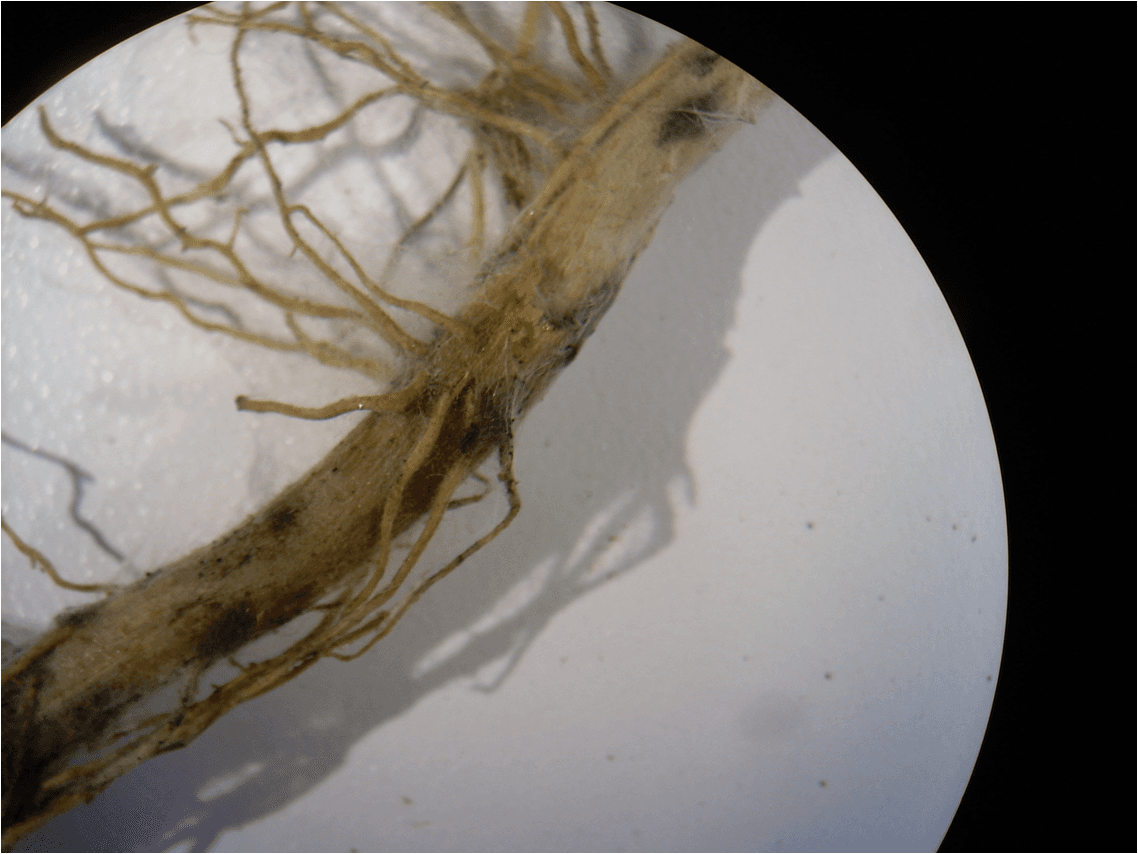
Root Rot in Pots and Garden Beds
Black, mushy roots and a plant that wilts while wet are not a thirst problem. Learn how to diagnose Phytophthora and overwatering, and when a plant is already gone.
Maya Chen · 11 April 2026