How to Compost in an Australian Backyard
Hot heaps, cool bays and tumblers in a climate that can cook or drown a pile. Rat-smart, fruit-fly-smart, and useful.
By Helen Walsh, Soil and compost editor · 12 March 2026 · 6 min read
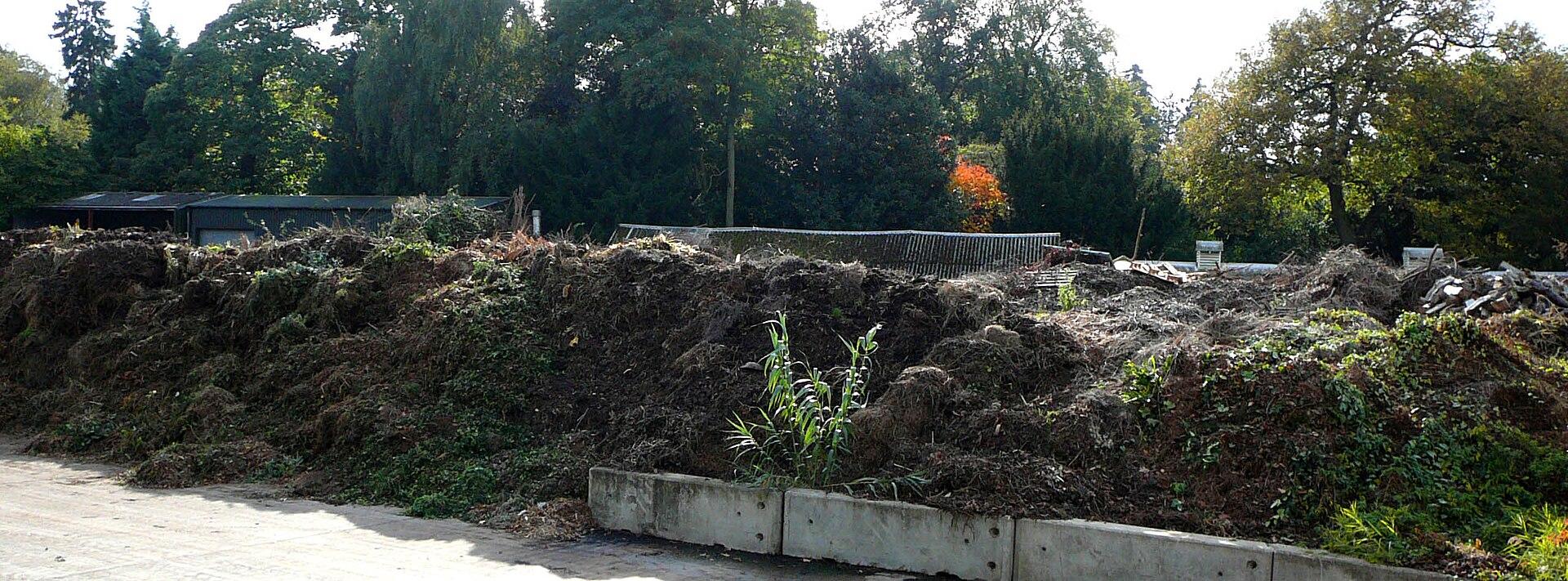
Compost is how a garden eats its own leftovers. In Australia the heap has extra enemies: summer heat that dries it to a husk, summer storms that drown it, rats, and Queensland fruit fly if you toss infested mangoes into a cool pile.
You do not need a $400 tumbler. You need air, moisture like a wrung sponge, and a mix of greens and browns.
The mix
Greens are nitrogen: kitchen scraps, fresh lawn clippings, tea. Browns are carbon: dry leaves, shredded paper, straw, aged wood chips. A heap that is all lawn clippings becomes a slimy brick. A heap that is all leaves sits there like a good intention.
Layer or mix roughly equal volumes, then adjust. If it smells of ammonia or rot, more browns and more air. If it will not heat and looks dry, more greens and water.
Chop things. A whole orange peel is a museum piece. A chopped peel is food.
Heat and patience
A heap of at least a cubic metre, turned, can run hot enough to kill many weed seeds and pathogens. Smaller heaps run cool and still make compost; they just take longer and should not be trusted with bindii burrs or diseased tomato vines.
Turn with a fork. If turning is not your personality, use two bays and leave them alone for a year. Both methods work. Lying about turning does not.
Keep the heap moist. In a Perth summer that means a hose and a cover. In a tropical wet season that means a lid and extra browns.
Rats, dogs and fruit fly
Closed bins with a mesh base beat open heaps if you have rats. Do not add meat or fish. Citrus and onions are fine in moderation despite folklore.
Fruit-fly larvae pupate in soil. Infested fruit should be sealed, cooked, frozen or solarised, not tossed into a cool heap that sits against the fence. Councils publish local rules; follow them.
Lawn clippings from a bindii-seeding lawn belong in the green-waste bin, not in the compost you will spread on that lawn.
Using it
Finished compost is dark, crumbly, and smells like a forest floor, not like a bin. Use 30–70 mm as a soil conditioner on beds, or as a topdress on lawn after aeration. It is not potting mix. It is not mulch on its own in a 40 °C week — it can dry to a crust. Cover it with mulch.
Worm farms are a parallel tool for kitchen scraps in small yards. They do not replace a heap for prunings. Bokashi is a ferment, not a finished compost; bury the output.
Compost is a habit with a smell you can diagnose. Dry and dead: water and greens. Wet and angry: browns and air. That is the whole subject, plus the Australian footnotes about heat, rats and fruit fly. Everything else is branding.
Tumblers, council bins and the smell test
A tumbler that is filled with grass and left in full sun becomes a dry brick or a wet slime, depending on the week. Tumblers need the same mix as a heap, plus someone who turns them. They do not invent compost.
Council green-waste is the right place for palm fronds, bindii seed and diseased roses. Home compost is for the stream you can manage. Using both is adult.
The smell test is public. If the neighbours can name your heap from the fence, it is too wet or too rich. Add carbon, turn, cover. Compost that is working smells like a forest. Anything else is a diagnosis.
A note from the desk
Field note: a heap that you are proud to put your hand into is finished. A heap you would not put your hand into is not.
Climate, soil and the long view
Australian gardens punish copied calendars. A method that works on a Melbourne clay in November can fail on a Cairns wet-season afternoon or a Perth sand in February. Keep a notebook: soil type, the week the pest arrived, the product and the active, the week the plant recovered. That notebook becomes a local almanac worth more than a national magazine spread. Share it with the next owner. Gardens are longer than our tenancies, and the useful knowledge is almost always local, modest, and written in the same Australian English we use on this desk. If a guest writer can add a climate we missed, the write for us page is open. If we got a fact wrong, use contact. The work is the garden, not the performance of certainty.
Carbon sources you already have
Autumn leaves, shredded envelopes without plastic windows, the contents of the vacuum if you do not have pets that shed mystery toxins, dry weeds without seed, torn cardboard. Stockpile browns in a dry bin because summer greens will arrive in a rush after every mow.
If you have no leaves, buy a bale of straw once a year. It is cheaper than abandoning the heap.
Heat, flies and the lid
In the tropics, flies and the wet will test you. A lidded bay with extra carbon is kinder than an open pile. In southern winters, a heap may go quiet. That is rest, not failure. Spring will wake it. Do not drown it in January “to make it work”.
If you want speed, chop smaller and turn weekly in the warm months. If you want ease, use two bays and a year. Both produce the same dark crumb when you are honest about moisture.
Keeping records, neighbours and the next season
The gardens that improve are the ones that write things down. Note the week a pest arrived, the active you used, the days until the plant looked better, and the soil under your nails — sand, loam or clay. Share the useful notes with a neighbour. A street that treats bindii in winter, nets fruit in spring, and waters deeply on rostered days outperforms any single heroic yard. The Green Doctor is written for that kind of suburb: practical, climate-honest, and willing to say when a plant is in the wrong hole. If your postcode behaves differently, send the desk a correction. We would rather update a guide than leave a reader watering a grub. The long view is a better lawn, a cleaner citrus, a native that lives, and fewer Saturday panic sprays. That view is built in seasons, not in a single product. Keep the secateurs sharp. Keep the mulch off the stems. Keep the questions specific. The rest is weather, which we do not command, and soil, which we can slowly help. Return to the relevant topic hub when the next job appears, and ignore any advice that cannot name an Australian climate. Certainty without a postcode is entertainment. This journal would rather be useful.
Questions gardeners ask
What should not go in a home compost?
Meat, dairy and glossy coloured paper if you have rats. Fruit-fly infested fruit unless you cook or freeze it first. Persistent weeds that have seeded. Diseased tomato stems if your heap never gets hot.
Why does my compost smell?
It is too wet and too green. Add dry carbon, turn it, and cover against rain. A sour heap is anaerobic.
How long does compost take in Australia?
A hot, turned heap can finish in two to three months in the warm half of the year. A cool bay takes six to twelve. Tumblers are only as honest as what you put in them.
Want to add a climate the desk missed? Pitch a guest post or send a correction.
Keep reading in soil & compost
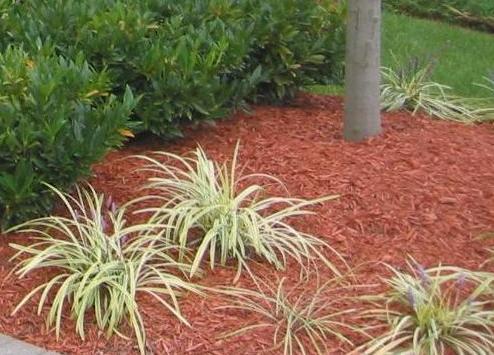
How to Mulch Garden Beds Correctly
Fifty to seventy-five millimetres, off the stems, refreshed before summer. Chip, leaf, sugarcane and gravel are different tools.
Helen Walsh · 28 March 2026
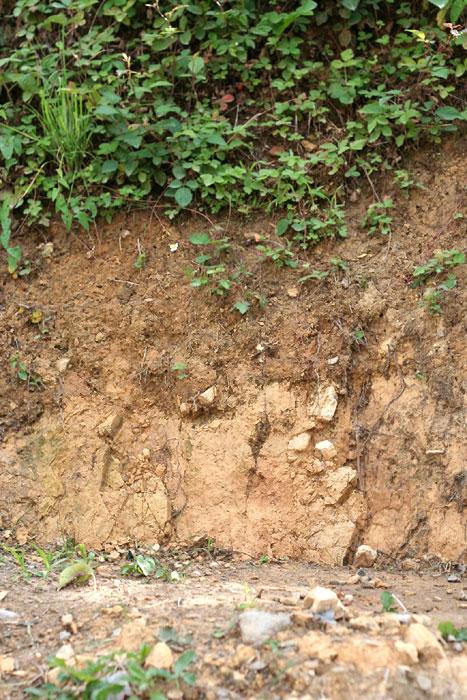
How to Improve Clay Soil in Australia
Gypsum, compost and traffic control will make clay workable. Turning it into loam in a weekend will not.
Helen Walsh · 26 January 2026
Queensland Fruit Fly Control for Home Gardens
Net early, pick clean, destroy stung fruit. Baits help a street more than a single hero tree.
James Okonkwo · 16 March 2026