Queensland Fruit Fly Control for Home Gardens
Net early, pick clean, destroy stung fruit. Baits help a street more than a single hero tree.
By James Okonkwo, Edible gardens editor · 16 March 2026 · 6 min read
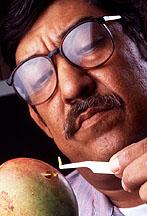
Queensland fruit fly (Bactrocera tryoni) is the pest that turns a perfect-looking peach into a nursery of maggots. It has spread well beyond Queensland. In much of eastern Australia it is a backyard fact. In some districts it is a regulated pest. Check your state’s rules before you move fruit or ignore a tree.
You will not eradicate it from a suburb by yourself. You can keep it out of your tomatoes.
Exclusion is the home-gardener’s best tool
Fine exclusion net, or individual fruit bags, goes on before the fruit is susceptible — generally as it starts to colour, earlier on thin-skinned stone fruit. Net must be insect-grade, not decorative bird net that wildlife dies in. Pull it taut. Peg it. Check for holes.
A cherry tomato jungle is hard to net. Grow fewer, in a cage, and net the cage.
Hygiene
Pick ripe fruit. Do not leave windfalls. Strip a tree you will not manage. A neglected loquat is a public fruit-fly factory.
Destroy infested fruit. Boil, freeze, or seal and solarise. A cool compost heap against the fence is a pupation bed.
Chickens under a tree help with fallen fruit and pupae. They are not a complete programme.
Baits and traps
Protein baits, applied as spots to the foliage on a schedule, reduce females. They must be refreshed. They work better when neighbours also do them.
Male lure traps tell you the flies are present. They do not protect a crop by themselves. Do not hang one trap and declare victory.
Cover sprays exist for some crops and are a last resort with withholding periods. They are a poor first move in a mixed organic-minded yard.
Neighbours
This is a street-scale pest. Talk to the person with the unmanaged fruit salad tree. Share nets and bait dates if you are that sort of street. If you are not, net your own crop and stop imagining a single homemade trap will outvote a suburb.
Fruit fly is logistics: net, pick, destroy, bait. It is not a mystery oil. Grow the fruit you can protect. Leave the rest to the bats — or take the tree out. That sentence has saved more Saturday markets than any lure.
A seasonal rhythm
As fruit colours, net. As you pick, destroy the stung. As the season ends, strip the leftovers. As winter comes, traps go quiet and you still do not leave a late feijoa crop to hang as a bridge.
Talk to the neighbour in winter, not in January when everyone is angry. Share a roll of exclusion net. Agree on a bait Saturday. This is civic horticulture. A single heroic tree does not outvote a street of windfalls.
If your state has a movement restriction, obey it. Fruit in the car to a cousin in a clean district is how flies travel. The backyard is not outside biosecurity because it is yours.
A note from the desk
Field note: a single unmanaged loquat can undo a street of nets. The kind conversation is in winter.
Climate, soil and the long view
Australian gardens punish copied calendars. A method that works on a Melbourne clay in November can fail on a Cairns wet-season afternoon or a Perth sand in February. Keep a notebook: soil type, the week the pest arrived, the product and the active, the week the plant recovered. That notebook becomes a local almanac worth more than a national magazine spread. Share it with the next owner. Gardens are longer than our tenancies, and the useful knowledge is almost always local, modest, and written in the same Australian English we use on this desk. If a guest writer can add a climate we missed, the write for us page is open. If we got a fact wrong, use contact. The work is the garden, not the performance of certainty.
Crops worth growing under pressure
Cherries and grape tomatoes in a cage. Chillies, which are less preferred. Citrus with thicker skins if you pick promptly. Feijoas if you net. Give up, for a year, on the prize stone-fruit tree you will not net. Grow herbs and eggplant. Eat well. The fly does not win the whole garden unless you insist on unprotected soft fruit as a personality.
Keep a dedicated “destroy” bucket with a lid. Frozen overnight, then composted, is a clean habit. The bucket on the path without a lid is a hatchery.
Write your state’s fruit-movement rules on the fridge before Christmas travel. The mango in the car is how regions change.
Keeping records, neighbours and the next season
The gardens that improve are the ones that write things down. Note the week a pest arrived, the active you used, the days until the plant looked better, and the soil under your nails — sand, loam or clay. Share the useful notes with a neighbour. A street that treats bindii in winter, nets fruit in spring, and waters deeply on rostered days outperforms any single heroic yard. The Green Doctor is written for that kind of suburb: practical, climate-honest, and willing to say when a plant is in the wrong hole. If your postcode behaves differently, send the desk a correction. We would rather update a guide than leave a reader watering a grub. The long view is a better lawn, a cleaner citrus, a native that lives, and fewer Saturday panic sprays. That view is built in seasons, not in a single product. Keep the secateurs sharp. Keep the mulch off the stems. Keep the questions specific. The rest is weather, which we do not command, and soil, which we can slowly help. Return to the relevant topic hub when the next job appears, and ignore any advice that cannot name an Australian climate. Certainty without a postcode is entertainment. This journal would rather be useful.
One more practical pass
Walk the garden with this guide in mind, not as a scripture. Check the soil with a finger or a probe, name the insect or the symptom, then do the smallest honest job — a deep water, a winter spray, a net, a prune, a mound. Come back in a fortnight and judge the new growth, not yesterday's damaged leaf. That habit, repeated through an Australian year, is worth more than a trolley of tonics and it is how a backyard starts to look looked-after rather than performed.
Questions gardeners ask
How do I stop fruit fly in tomatoes?
Use exclusion bags or fine net before fruit colours, pick every ripe fruit, and destroy stung ones by boiling or freezing. Do not leave windfalls.
Do traps control fruit fly on their own?
Male traps monitor. Protein baits suppress. Neither replaces netting on a small backyard tree if the street is full of unmanaged fruit.
Can I compost maggoty fruit?
Not in a cool heap. Cook, freeze or solarise first so larvae do not pupate and hatch.
Want to add a climate the desk missed? Pitch a guest post or send a correction.
Keep reading in edible gardens
How to Grow Tomatoes in Australia
After frost, in sun, with airflow. Choose a variety for your season, stake early, and water the soil — not the mildew.
James Okonkwo · 30 January 2026
How to Grow Citrus in Australian Gardens
Sun, drainage, even water and a watch for scale. Lemons are not a pot on a south balcony by default.
James Okonkwo · 14 February 2026
How to Compost in an Australian Backyard
Hot heaps, cool bays and tumblers in a climate that can cook or drown a pile. Rat-smart, fruit-fly-smart, and useful.
Helen Walsh · 12 March 2026