How to Grow Citrus in Australian Gardens
Sun, drainage, even water and a watch for scale. Lemons are not a pot on a south balcony by default.
By James Okonkwo, Edible gardens editor · 14 February 2026 · 6 min read
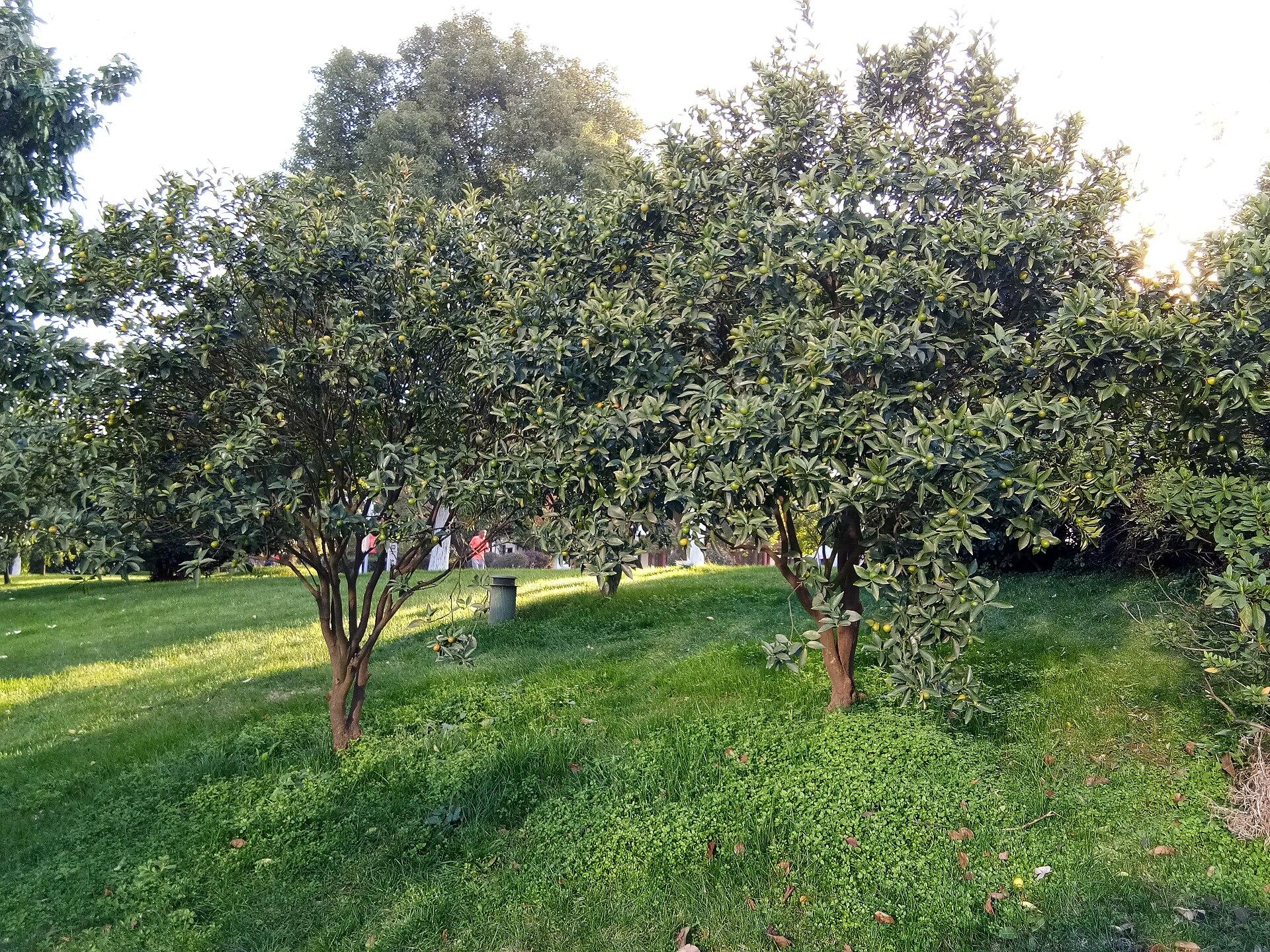
A lemon tree is the Australian backyard’s idea of abundance. A good one is a sun-and-drainage project. A bad one is a sticky, sooty, yellowing stick in a clay corner that someone feeds with random tonic.
Citrus — lemons, limes, mandarins, oranges, cumquats — want the same bones: sun, a soil that does not pond, even water, and a gardener who looks under leaves for scale.
Planting
Full sun. Shelter from the worst wind. In frost-prone valleys, a north wall helps and a young lemon may need a cover on the worst nights. In the tropics, some varieties handle humidity; others get leaf diseases. Ask a local citrus grower, not a national catalogue.
Drainage first. A mound on clay. A quality mix in a pot with a real hole. Plant at the same depth as the nursery graft — never bury the graft.
Water to establish. Mulch a wide bowl, off the trunk.
Water and feed
Citrus are thirsty when they are swelling fruit and when the weather is hot. They hate a wet collar. That tension is the skill. Deep water, dryish surface, no saucer.
Feed with a citrus food through the warm months in split doses. Trace elements matter; yellow new leaves with green veins are often iron on alkaline or wet soil — see yellow leaves. Do not lime a citrus bed because you limed the vegies.
Pots need more food and more water and a repot when the mix dies.
Pests
Scale and sooty mould are the suburban classics. Fruit fly will sting thin-skinned fruit in many regions; net or follow the fruit fly hygiene rules. Citrus leaf miner writes silver mazes on new flush; it looks worse than it is on a healthy tree. Gall wasp is a prune-and-bin job in districts where it has arrived — know your local biosecurity.
Do not spray a blooming tree with a bee-killing habit because you saw one leaf miner.
A citrus that is yellow, sticky and fruitless is usually insects plus water plus shade. Fix those three before you buy a larger pot of fertiliser. The tree you want is boring: sunlit, drained, watered on a rhythm, and inspected monthly on the underside of a leaf.
Pots, dwarfs and the balcony myth
A dwarf lemon in a 50-litre pot in full sun can feed a household in a good year. A dwarf lemon in a 20-litre pot on a south balcony will yellow and sulk. Size the pot to the rootstock and the light to the species.
Repot or root-prune every few years as the mix collapses. Citrus in old bark starve while people add more liquid food to a dead medium.
If you have ground, plant in the ground. Pots are for people without ground, not a default because pots look styled. The tree wants dirt, sun and a dry collar.
A note from the desk
Field note: the black on a lemon is a headline. Look for the insect. Feed second.
Climate, soil and the long view
Australian gardens punish copied calendars. A method that works on a Melbourne clay in November can fail on a Cairns wet-season afternoon or a Perth sand in February. Keep a notebook: soil type, the week the pest arrived, the product and the active, the week the plant recovered. That notebook becomes a local almanac worth more than a national magazine spread. Share it with the next owner. Gardens are longer than our tenancies, and the useful knowledge is almost always local, modest, and written in the same Australian English we use on this desk. If a guest writer can add a climate we missed, the write for us page is open. If we got a fact wrong, use contact. The work is the garden, not the performance of certainty.
Varieties and the real kitchen
A ‘Lisbon’ or ‘Eureka’ lemon in a sunny, drained hole is the backyard standard. Meyer is sweeter, slightly more cold-tolerant, and a different flavour. Limes want more warmth. Mandarins can be easier eating for children and just as attractive to scale.
Do not plant five citrus in a six-metre bed. They will be a thicket of unpickable interiors. Plant one well. Net it if fruit fly is local. Pick it.
Frost cloth on a young lemon is not cowardice in a valley. A dead young lemon is a wasted year.
If the tree is grafted, keep grass and whipper-snippers off the graft. More citrus are ringbarked by string than by scale.
Feed in split doses through the warm months. Water deep. Look under the leaf monthly. That is citrus. Everything else is folklore about nails in the trunk.
Keeping records, neighbours and the next season
The gardens that improve are the ones that write things down. Note the week a pest arrived, the active you used, the days until the plant looked better, and the soil under your nails — sand, loam or clay. Share the useful notes with a neighbour. A street that treats bindii in winter, nets fruit in spring, and waters deeply on rostered days outperforms any single heroic yard. The Green Doctor is written for that kind of suburb: practical, climate-honest, and willing to say when a plant is in the wrong hole. If your postcode behaves differently, send the desk a correction. We would rather update a guide than leave a reader watering a grub. The long view is a better lawn, a cleaner citrus, a native that lives, and fewer Saturday panic sprays. That view is built in seasons, not in a single product. Keep the secateurs sharp. Keep the mulch off the stems. Keep the questions specific. The rest is weather, which we do not command, and soil, which we can slowly help. Return to the relevant topic hub when the next job appears, and ignore any advice that cannot name an Australian climate. Certainty without a postcode is entertainment. This journal would rather be useful.
One more practical pass
Walk the garden with this guide in mind, not as a scripture. Check the soil with a finger or a probe, name the insect or the symptom, then do the smallest honest job — a deep water, a winter spray, a net, a prune, a mound. Come back in a fortnight and judge the new growth, not yesterday's damaged leaf. That habit, repeated through an Australian year, is worth more than a trolley of tonics and it is how a backyard starts to look looked-after rather than performed.
Questions gardeners ask
Why is my lemon tree not fruiting?
Youth, shade, irregular watering, a nitrogen binge, or a tree that spends its energy on scale and sooty mould. Most grafted lemons fruit once they are settled and sunlit.
How often should I water citrus?
Deeply, then let the top of the soil dry a little. Pots dry fast. Clay stays wet. Yellow leaves plus wet feet is [root trouble](/guides/root-rot-in-pots-and-garden-beds).
Can I grow a lemon in a pot?
Yes, on a dwarf rootstock, in a large pot with a hole, in full sun. It will not be a backyard tree. It will need more water and food than people expect.
Want to add a climate the desk missed? Pitch a guest post or send a correction.
Keep reading in edible gardens
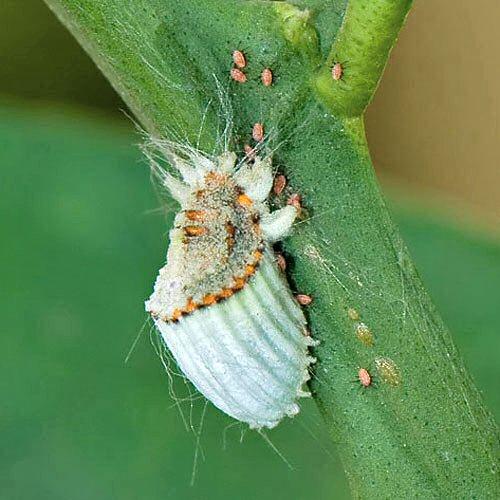
Scale Insects on Citrus Trees in Australia
Red scale, soft scale and sooty mould turn a lemon into a sticky mess. Learn how to identify scale and treat it without stripping the tree.
Maya Chen · 15 January 2026

Queensland Fruit Fly Control for Home Gardens
Net early, pick clean, destroy stung fruit. Baits help a street more than a single hero tree.
James Okonkwo · 16 March 2026
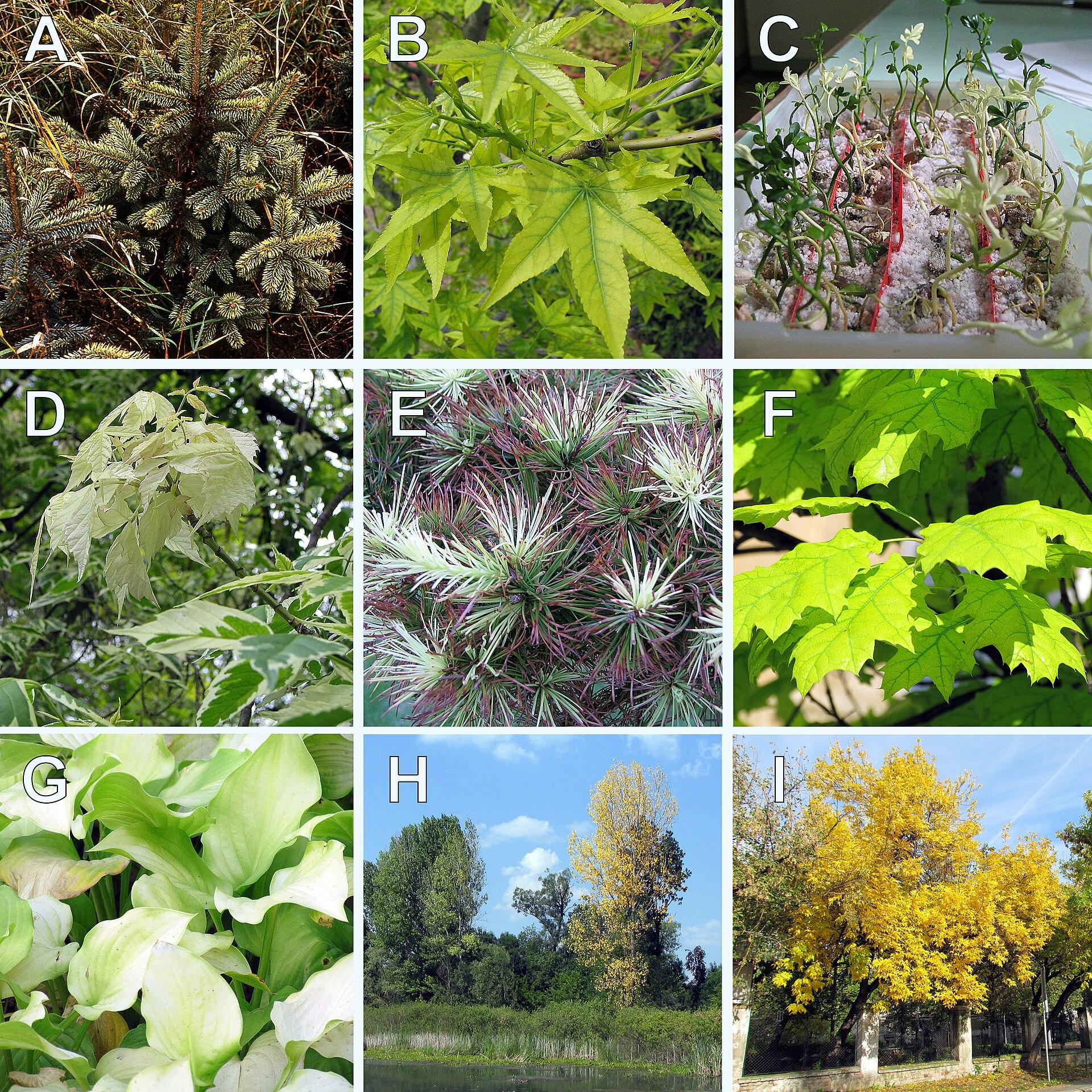
Yellow Leaves on Garden Plants: Causes and Fixes
Chlorosis is a clue. Learn to tell nitrogen hunger from iron lock-up, overwatering and salt, then fix the cause instead of drowning the plant in tonic.
Maya Chen · 5 February 2026