Yellow Leaves on Garden Plants: Causes and Fixes
Chlorosis is a clue. Learn to tell nitrogen hunger from iron lock-up, overwatering and salt, then fix the cause instead of drowning the plant in tonic.
By Maya Chen, Plant pathologist · 5 February 2026 · 6 min read
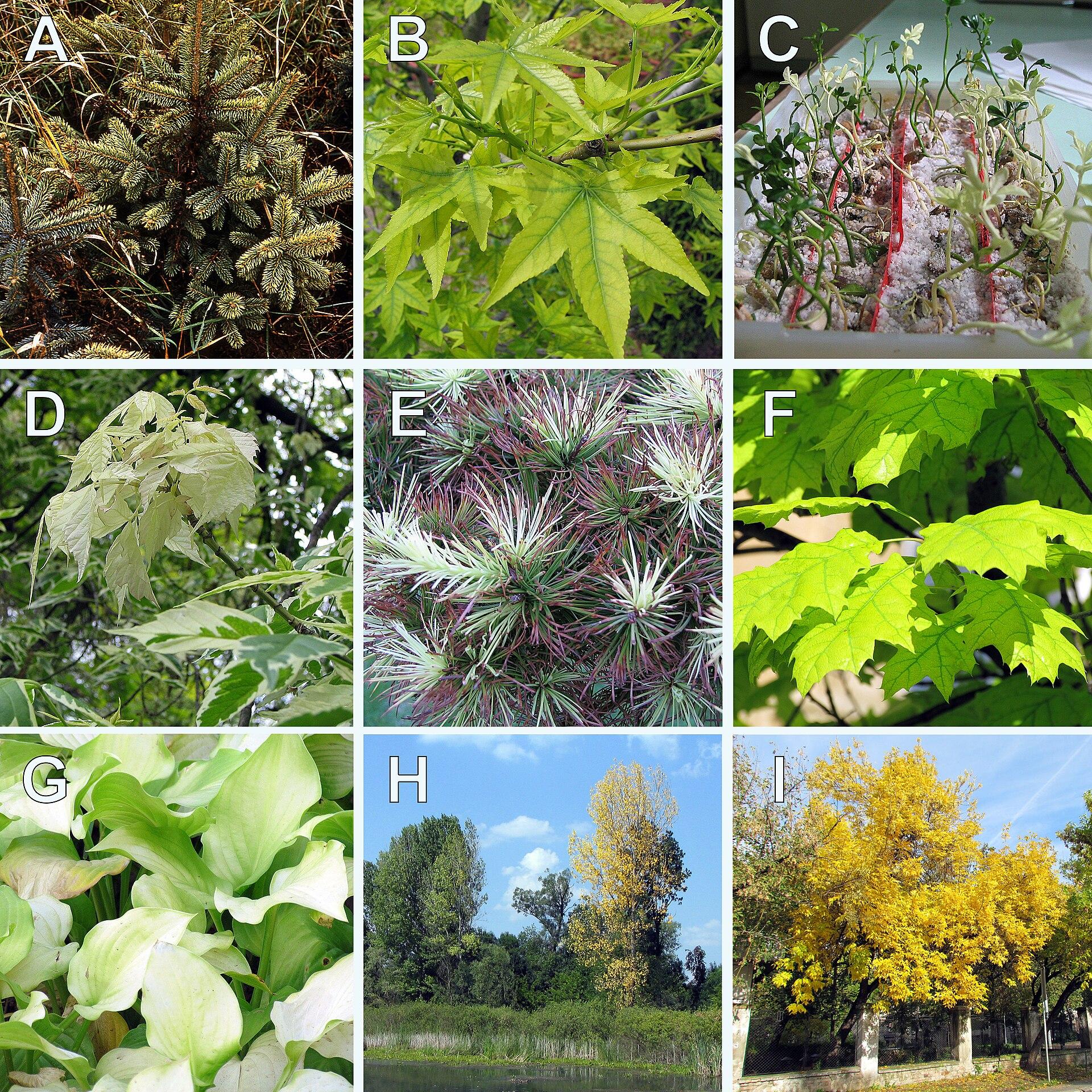
Yellow leaves are the garden equivalent of a cough. Everyone has a favourite syrup. Almost no one asks whether it is a cold, asthma or a swallowed coin. In an Australian yard the usual coins are water, pH, salt and a nutrient that is present in the soil but locked away.
This is a diagnostic essay, not a shopping list. If the plant is a citrus, also read the citrus and scale guides — sooty mould and hungry scale make a tree look nitrogen-starved when the real problem is sap.
Read the pattern, not the colour
Stand back. Which leaves, which age, which side of the plant?
Oldest leaves yellow first, veins fade too, plant otherwise growing. Nitrogen is the working hypothesis. The plant is moving N to new shoots. A complete fertiliser or a true compost habit usually fixes it over weeks, not hours. Indoor plants in old potting mix do this on a schedule; see indoor plant care.
Young leaves yellow, veins stay green (interveinal chlorosis). Iron, sometimes manganese. Common on alkaline soils, overlimed vegie beds, and citrus sitting in a heavy clay that stays wet. The iron is there. The chemistry will not share. Chelated iron on the leaf is a bandage. Drainage and organic matter are the treatment. Epsom salts will not perform this job.
Whole plant yellows at once, soil is wet, fungus gnats or a sour smell. Roots are drowning or already rotting. Stop watering. See root rot. More fertiliser now is salt on a wound.
Yellow with sticky film and black soot. Look under the leaf for scale, aphids or whitefly. The yellow is secondary.
Yellow on the windward side, brown tips, near a pool or a coastal fence. Salt. Flush pots. Choose tougher plants. Do not blame nitrogen.
Random yellow spots with rings or mosaics. Virus or herbicide drift. A lawn weedkiller on a windy day writes its name on tomatoes. There is no tonic.
Australian soils make this worse
Much of our suburban soil is either sand that leaks nitrogen after every storm, or clay that sits wet and alkaline. Perth sand is a nitrogen sieve. A plant can be hungry a fortnight after a feed. Melbourne clay can lock iron while the soil test says “plenty”.
Potting mix is a third country. After twelve months the pine bark has collapsed, the wetting agent has died, and the plant yellows because water either runs around the root ball or never leaves it. Repotting beats a year of yellow-leaf selfies.
Water quality matters. Hard bore water and some scheme supplies push pH up in pots. Rainwater is kinder to acid-lovers — gardenias, azaleas, blueberries — that yellow the moment they meet builder’s lime.
A working order of operations
- Feel the soil 8 cm down. Wet or dry beats any Facebook group.
- Check the pot drainage hole. A blocked saucer is a common indoor crime.
- Inspect undersides of leaves and stems for insects.
- Note which leaves yellowed first.
- Then, and only then, choose a fertiliser, an iron chelate, a repot, or a rest.
Foliar seaweed is a pleasant drink and a poor diagnosis. Use it as a supplement after the cause is named.
If the rest of the bed is pale, the problem is cultural — soil, water, salt — not a single fussy camellia. Fix the bed. If one plant is pale in a sea of green, look at that plant’s roots, graft, and pests.
Yellow is information. Write it down, match the pattern, then act once. A plant that receives nitrogen, iron, Epsom salts and a fungicide on the same Saturday is not being cared for. It is being panicked upon. The Green Doctor prefers the first.
A citrus example and a pot example
A lemon on clay, watered by a lawn sprinkler, yellows between the veins on the newest leaves. The owner applies citrus food. The yellow stays. The real issues are wet feet and a pH that locks iron. The fix is a dry week, a chelated iron spray as a temporary green-up, and a change to watering the soil, not the trunk. Six weeks later the new flush is green. The old yellow leaves are not. They were never going to be.
A monstera in a cachepot yellows from the base. The mix is sour. The saucer is a pond. Unpot, cut the sludge, fresh mix, smaller drinks. The plant keeps two good leaves and grows a third. That is a win.
Write the pattern. Act once. Wait. Plants are slow correspondents. If you change four variables on a Saturday you will not know which letter they answered.
A note from the desk
Field note: gardenias on builder’s lime are a yellow-leaf classroom. They are not a reason to lime the rest of the yard.
Climate, soil and the long view
Australian gardens punish copied calendars. A method that works on a Melbourne clay in November can fail on a Cairns wet-season afternoon or a Perth sand in February. Keep a notebook: soil type, the week the pest arrived, the product and the active, the week the plant recovered. That notebook becomes a local almanac worth more than a national magazine spread. Share it with the next owner. Gardens are longer than our tenancies, and the useful knowledge is almost always local, modest, and written in the same Australian English we use on this desk. If a guest writer can add a climate we missed, the write for us page is open. If we got a fact wrong, use contact. The work is the garden, not the performance of certainty.
Salt, bore water and the coastal pot
Coastal pots yellow from salt in the mix and in the wind. Flush with rainwater when you can. Do not keep raising fertiliser. Choose tougher plants for the front line — rosemary, westringia, a coastal native — and keep the gardenia behind the house.
Bore water that is hard will push pH up. Rainwater tanks earn their keep on acid-lovers. If you have no tank, chelates and a bark mix that you replace are the bandage.
The last mistake is to treat every yellow leaf as a single deficiency. Patterns matter. Age of leaf, wet or dry, insects or not. Write those four, then act. The plant will answer in the next flush, not in an hour.
Questions gardeners ask
Why are my plant leaves turning yellow?
Older leaves yellowing first often means nitrogen is short or the plant is shedding. Yellow between green veins on new leaves usually means iron is unavailable. All leaves pale at once suggests waterlogging or root failure.
Do yellow leaves turn green again?
Nutrient yellowing on a still-firm leaf can green after a correct feed. A leaf that is papery or necrotic will not. Grow a new one.
Should I give Epsom salts to every yellow plant?
No. Epsom salts are magnesium. They help when magnesium is the missing piece, which is less common than people think. Wrong tonic, wasted week.
Want to add a climate the desk missed? Pitch a guest post or send a correction.
Keep reading in plant health
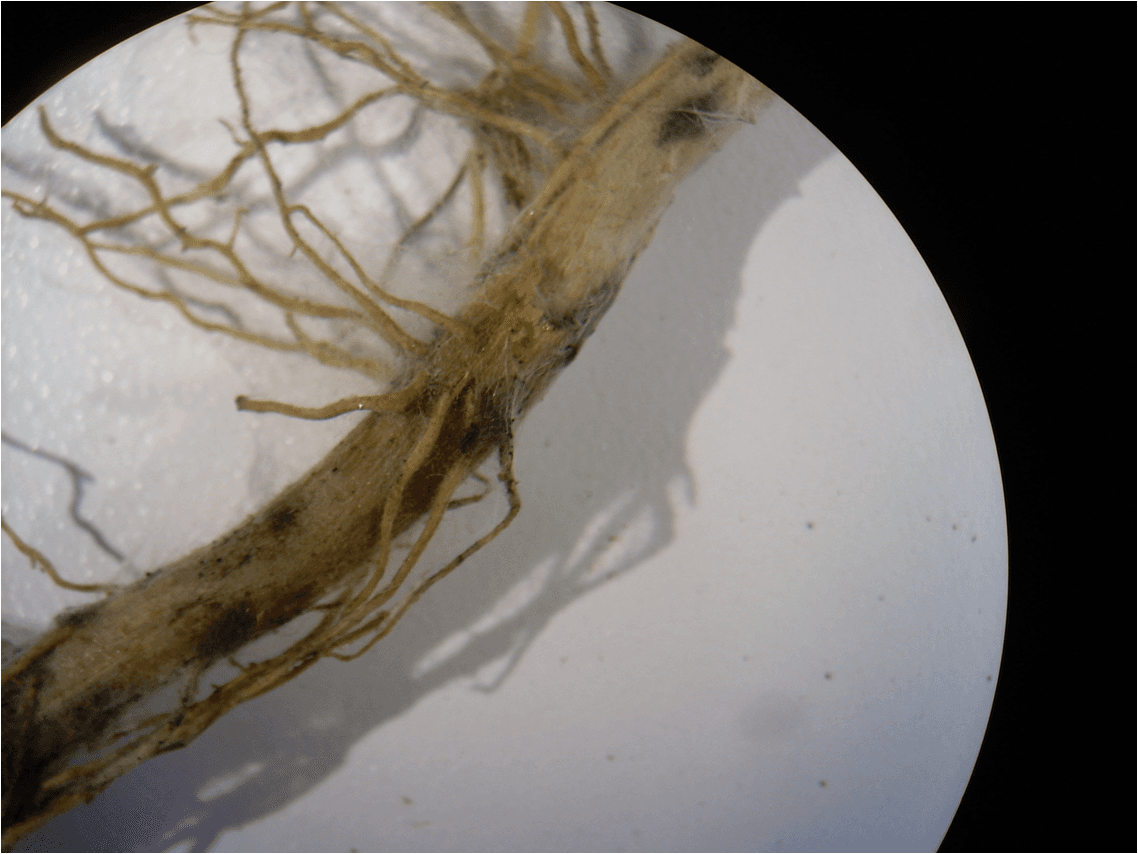
Root Rot in Pots and Garden Beds
Black, mushy roots and a plant that wilts while wet are not a thirst problem. Learn how to diagnose Phytophthora and overwatering, and when a plant is already gone.
Maya Chen · 11 April 2026
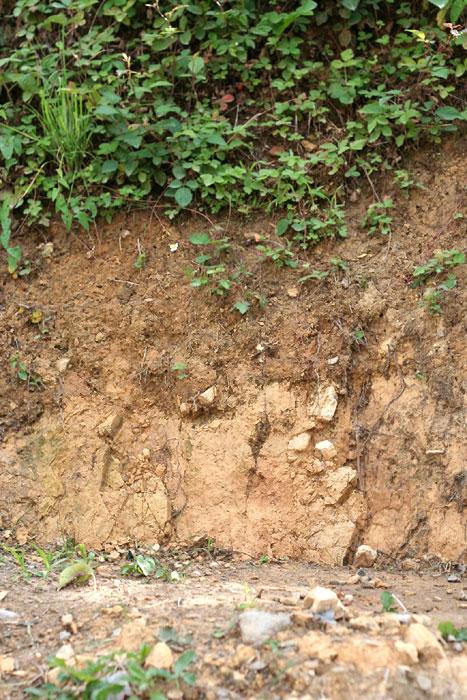
How to Improve Clay Soil in Australia
Gypsum, compost and traffic control will make clay workable. Turning it into loam in a weekend will not.
Helen Walsh · 26 January 2026
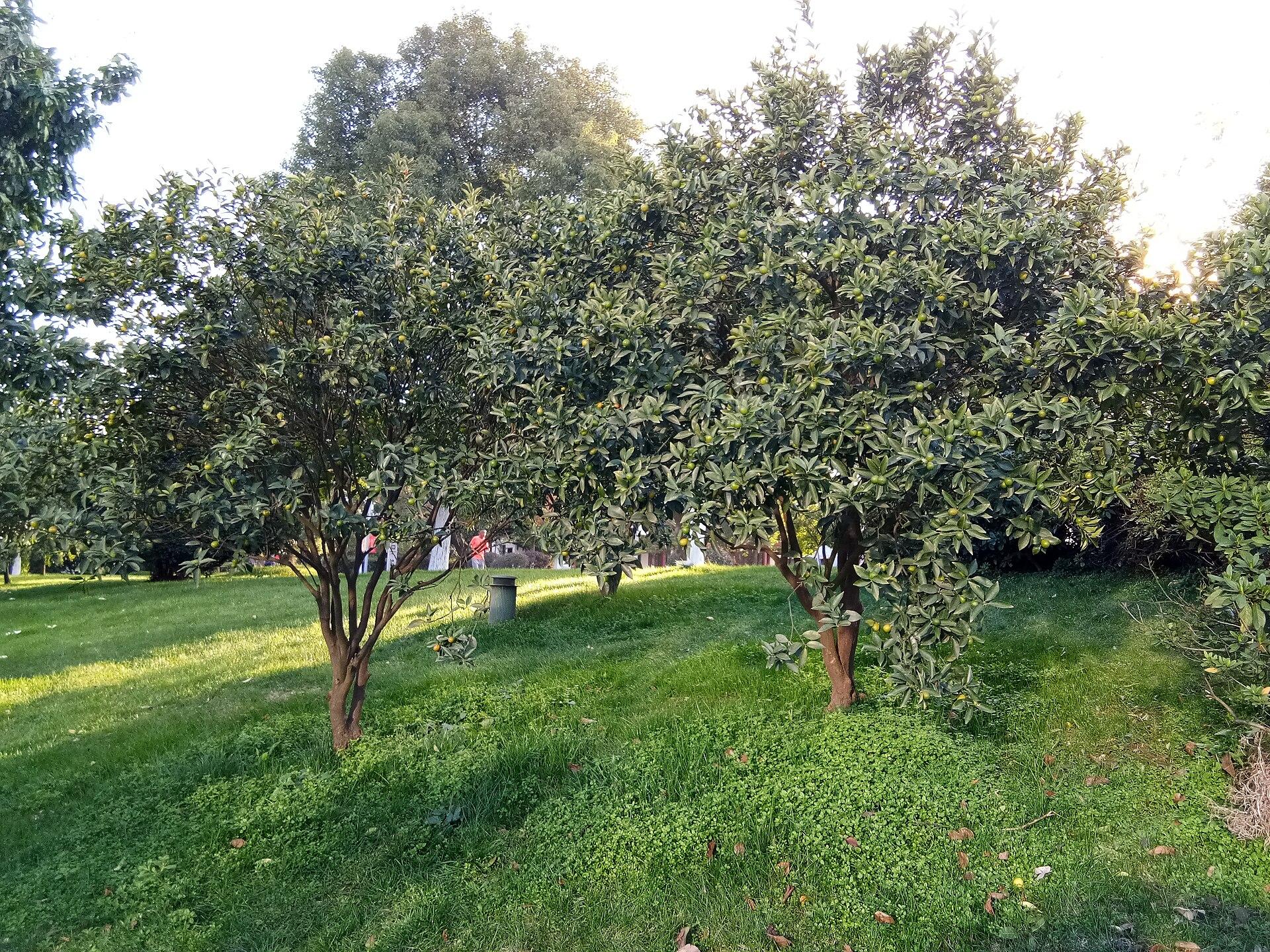
How to Grow Citrus in Australian Gardens
Sun, drainage, even water and a watch for scale. Lemons are not a pot on a south balcony by default.
James Okonkwo · 14 February 2026