Indoor Plant Care in Australian Homes
Light, a pot with a hole, and water you can justify. Australian houses are bright, dry and full of hopeful overwatering.
By Ruth Nguyen, Seasonal editor · 6 April 2026 · 6 min read
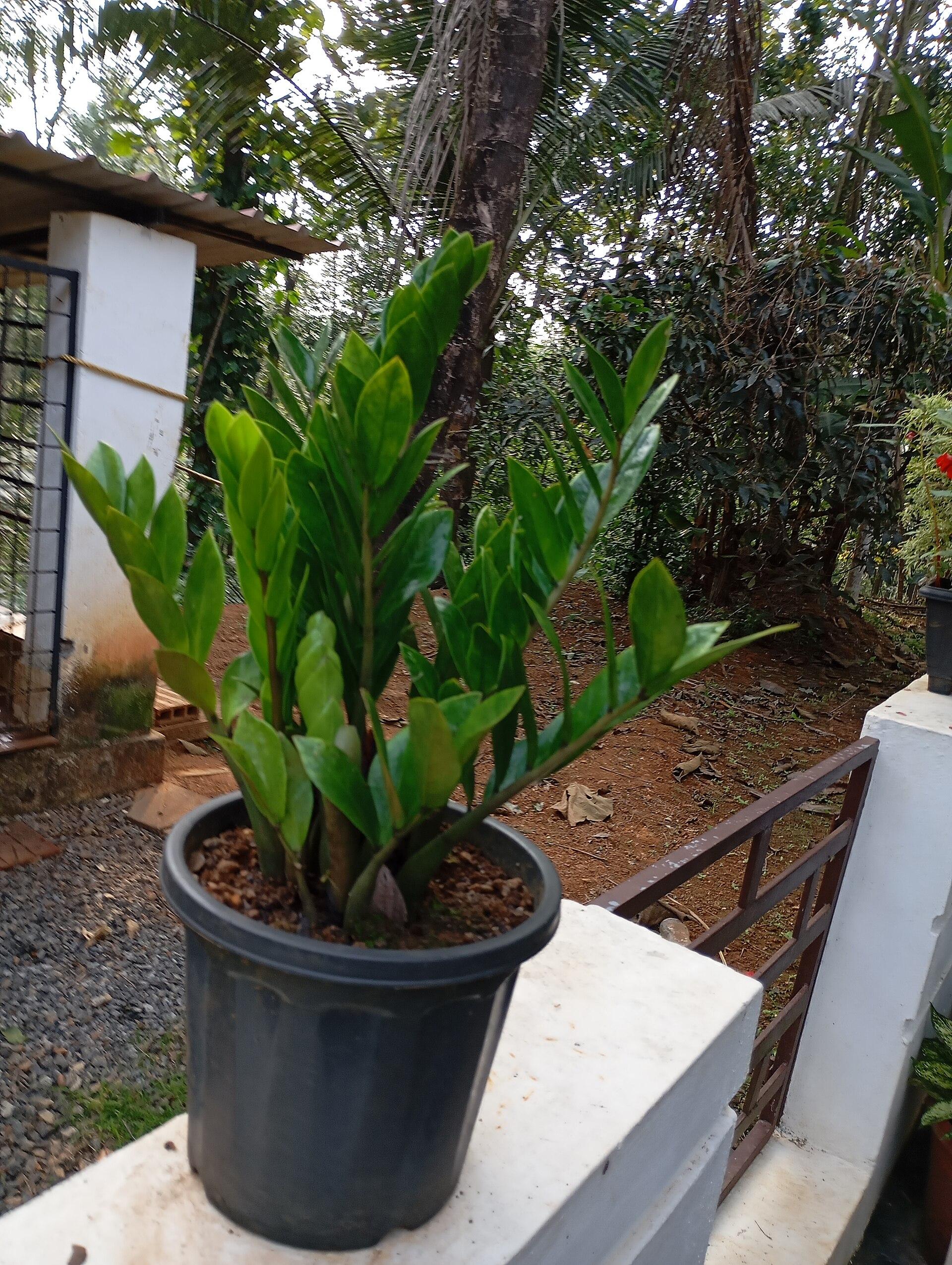
Indoor plants fail in Australian houses for three reasons: they are in the dark, they are in a pot without a hole, or they are watered every Thursday because Thursday is a day. Our homes are often bright and air-conditioned. The plants we buy are often rainforest understory species in a decorative bucket.
Light
Match the plant to the window. A fiddle-leaf fig in a hallway is a slow death. A snake plant in a hallway is a plant. East light is kind. West light in a Perth summer is a frypan. South light (in Australia, the pole that faces Antarctica) is the low-light wall.
If you cannot read a newspaper where the plant sits, it is not a “bright indirect” spot, whatever the tag said.
Water and pots
A hole. A saucer you empty. A mix that is still open, not a year-old mud. Water thoroughly, then wait until the top few centimetres are dry. Lift the pot; weight teaches faster than a meter you do not use.
Overwatering is root rot. The plant wilts, you water, it dies. Underwatering is crispy margins and a light pot. Learn the difference once.
Grouped plants raise humidity. Bathrooms with no light are still no light. Misting is a ritual that does not replace a sensible mix.
Food, pests, rest
Feed weakly through the warm growing months. Do not feed a plant in a dark winter or a plant that is already rotting.
Wipe leaves. Check undersides for mites, mealybug and scale — yes, indoors. Isolate the new bargain plant for a week. Mealybug is how a collection becomes a project.
Repot when roots circle or the mix smells sour. Go one pot size up, not a bucket.
Indoor plants are a small horticulture, not a furniture catalogue. Light, drainage, and water you can defend. Everything else is a cachepot. If the plant keeps dying in the same corner, believe the corner.
Heaters, air-con and the holiday
A plant next to a heater in a Melbourne July dries from one side. A plant under a vent in a Queensland January dries from above. Move them. Indoor climates are weather.
Before a holiday, water well, group plants out of sun-blast, and do not leave a tray of standing water “to be safe”. A wick or a trusted friend beats a pond. Many plants prefer a dry fortnight to a wet death.
If you cannot keep a snake plant alive, the problem is not the plant. Believe that, change the corner, and start again with one pot and a hole.
A note from the desk
Field note: if the cachepot cannot drain, it is a vase. Treat it like one.
Climate, soil and the long view
Australian gardens punish copied calendars. A method that works on a Melbourne clay in November can fail on a Cairns wet-season afternoon or a Perth sand in February. Keep a notebook: soil type, the week the pest arrived, the product and the active, the week the plant recovered. That notebook becomes a local almanac worth more than a national magazine spread. Share it with the next owner. Gardens are longer than our tenancies, and the useful knowledge is almost always local, modest, and written in the same Australian English we use on this desk. If a guest writer can add a climate we missed, the write for us page is open. If we got a fact wrong, use contact. The work is the garden, not the performance of certainty.
Species that forgive, and species that do not
Snake plant, ZZ, pothos and aspidistra forgive a missed week. Calathea, maidenhair and a fiddle-leaf fig in a dark room do not. Start with the first list. Earn the second.
Australian offices with air-conditioning are deserts. Group plants, or choose the forgive list. A humidifier is a hobby, not a requirement, if the species is honest.
Dust on leaves cuts light. A shower for the pot every month (if the pot can drain) is a kindness. Do not use leaf-shine products that clog stomata to impress a guest. The guest does not live with the mite flare.
If you want a plant in a room with no light, use a picture of a plant. Horticulture is not interior decoration with roots.
Keeping records, neighbours and the next season
The gardens that improve are the ones that write things down. Note the week a pest arrived, the active you used, the days until the plant looked better, and the soil under your nails — sand, loam or clay. Share the useful notes with a neighbour. A street that treats bindii in winter, nets fruit in spring, and waters deeply on rostered days outperforms any single heroic yard. The Green Doctor is written for that kind of suburb: practical, climate-honest, and willing to say when a plant is in the wrong hole. If your postcode behaves differently, send the desk a correction. We would rather update a guide than leave a reader watering a grub. The long view is a better lawn, a cleaner citrus, a native that lives, and fewer Saturday panic sprays. That view is built in seasons, not in a single product. Keep the secateurs sharp. Keep the mulch off the stems. Keep the questions specific. The rest is weather, which we do not command, and soil, which we can slowly help. Return to the relevant topic hub when the next job appears, and ignore any advice that cannot name an Australian climate. Certainty without a postcode is entertainment. This journal would rather be useful.
One more practical pass
Walk the garden with this guide in mind, not as a scripture. Check the soil with a finger or a probe, name the insect or the symptom, then do the smallest honest job — a deep water, a winter spray, a net, a prune, a mound. Come back in a fortnight and judge the new growth, not yesterday's damaged leaf. That habit, repeated through an Australian year, is worth more than a trolley of tonics and it is how a backyard starts to look looked-after rather than performed.
Questions gardeners ask
How often should I water indoor plants in Australia?
When the mix is dry at a finger’s depth, not on a fixed weekday. In a Melbourne winter that may be a fortnight. In a Gold Coast summer, much sooner.
Why are the leaves yellow?
Often overwatering or old mix. Sometimes low light. Rarely a lack of a branded tonic. See the [yellow leaf](/guides/yellow-leaves-on-plants-causes-fixes) patterns.
Do indoor plants need fertiliser?
Yes, lightly in the warm months. They cannot eat a garden soil. They eat what you put in a finite pot.
Want to add a climate the desk missed? Pitch a guest post or send a correction.
Keep reading in seasonal jobs
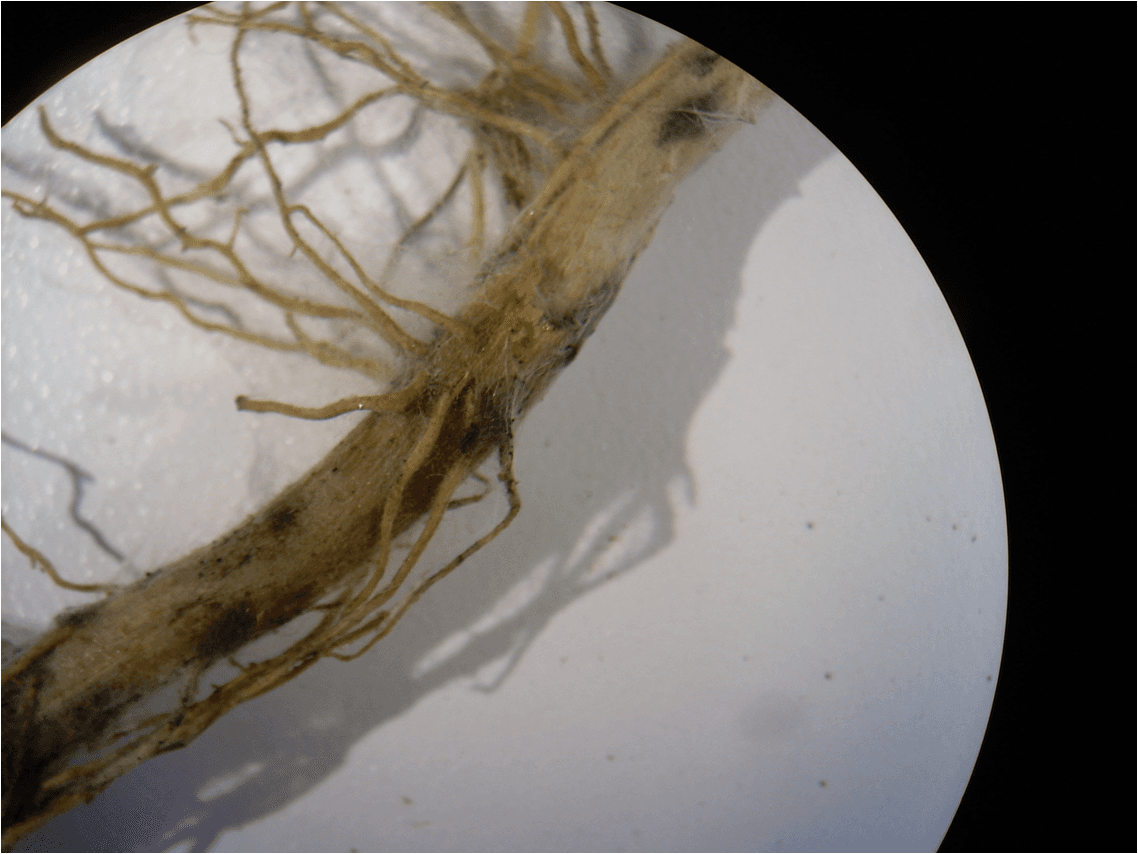
Root Rot in Pots and Garden Beds
Black, mushy roots and a plant that wilts while wet are not a thirst problem. Learn how to diagnose Phytophthora and overwatering, and when a plant is already gone.
Maya Chen · 11 April 2026
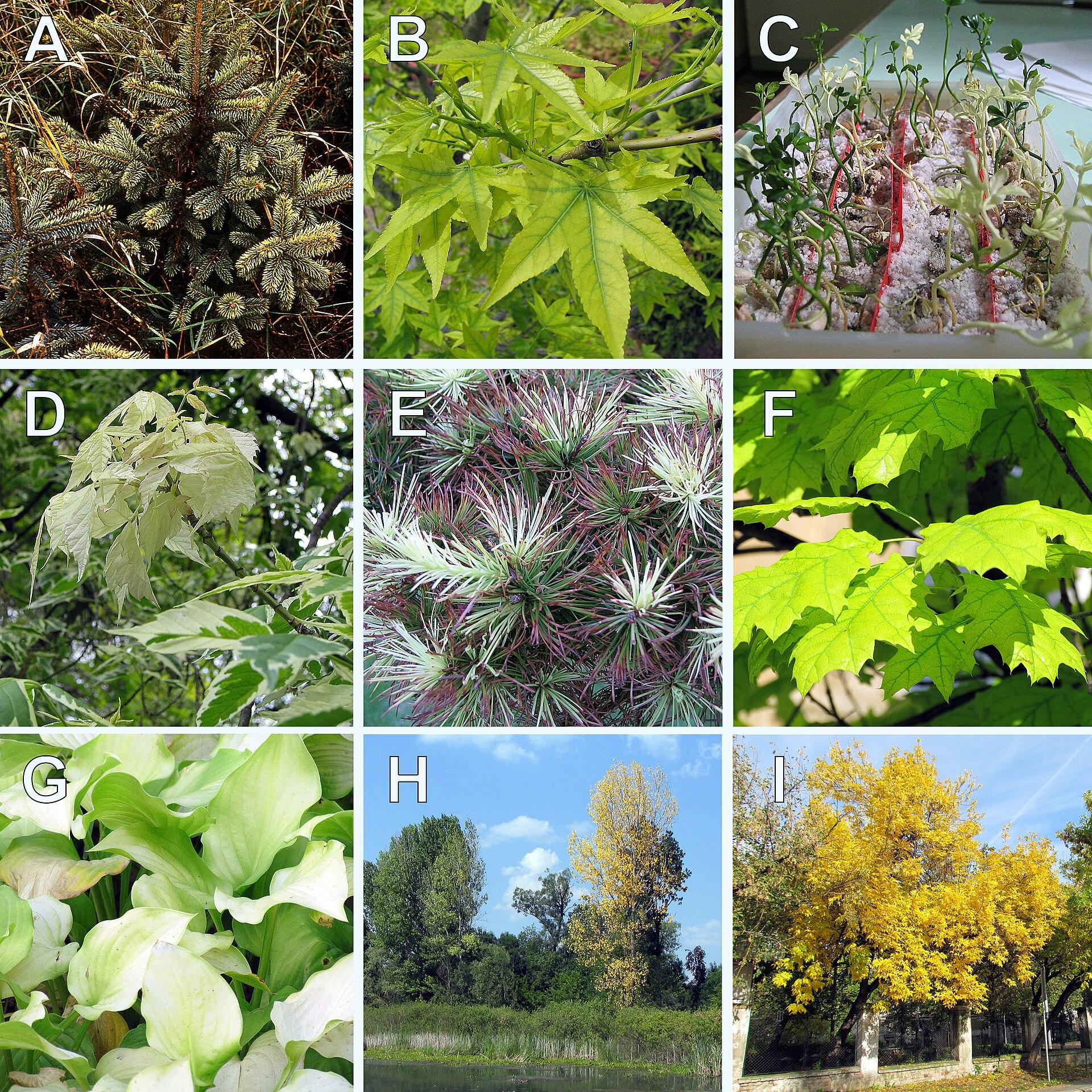
Yellow Leaves on Garden Plants: Causes and Fixes
Chlorosis is a clue. Learn to tell nitrogen hunger from iron lock-up, overwatering and salt, then fix the cause instead of drowning the plant in tonic.
Maya Chen · 5 February 2026
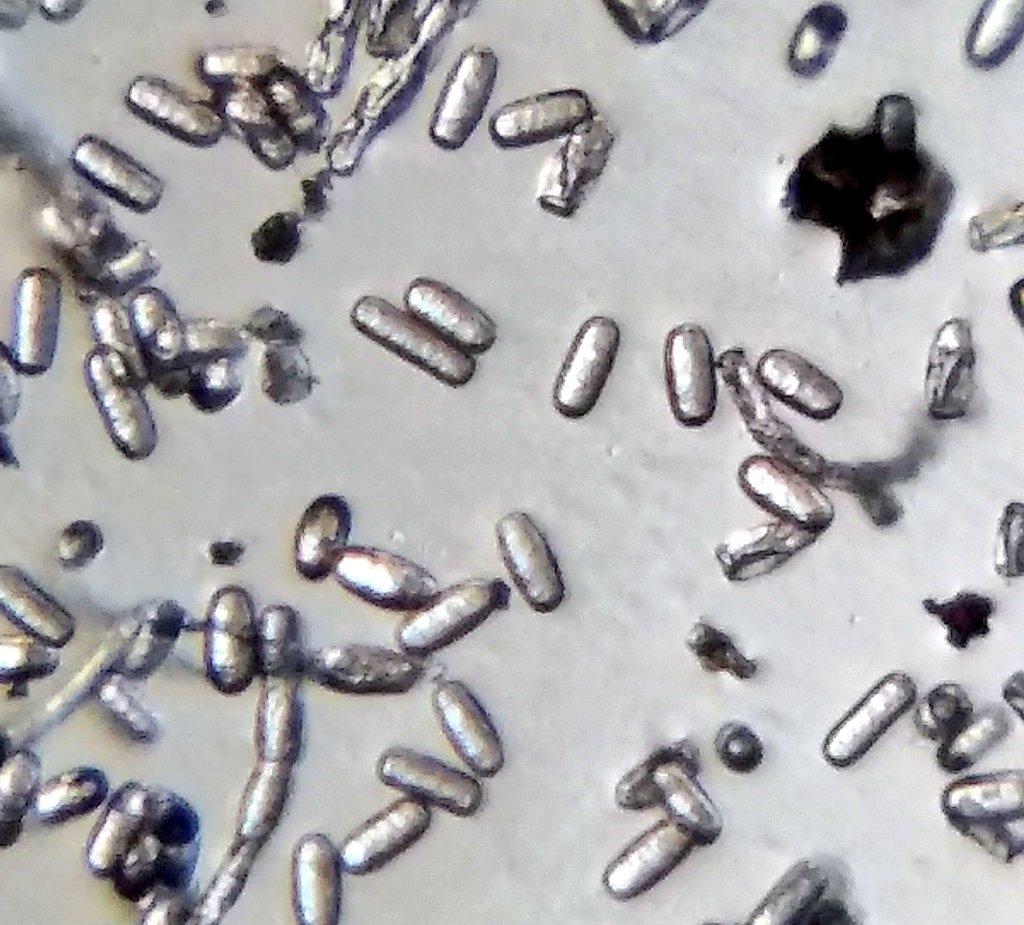
How to Treat Powdery Mildew in Australian Gardens
The white dust on roses, cucurbits and peas is a dry-weather fungus. Cut, air, milk spray, and know when a zucchini is finished.
Maya Chen · 22 March 2026