How to Treat Powdery Mildew in Australian Gardens
The white dust on roses, cucurbits and peas is a dry-weather fungus. Cut, air, milk spray, and know when a zucchini is finished.
By Maya Chen, Plant pathologist · 22 March 2026 · 6 min read
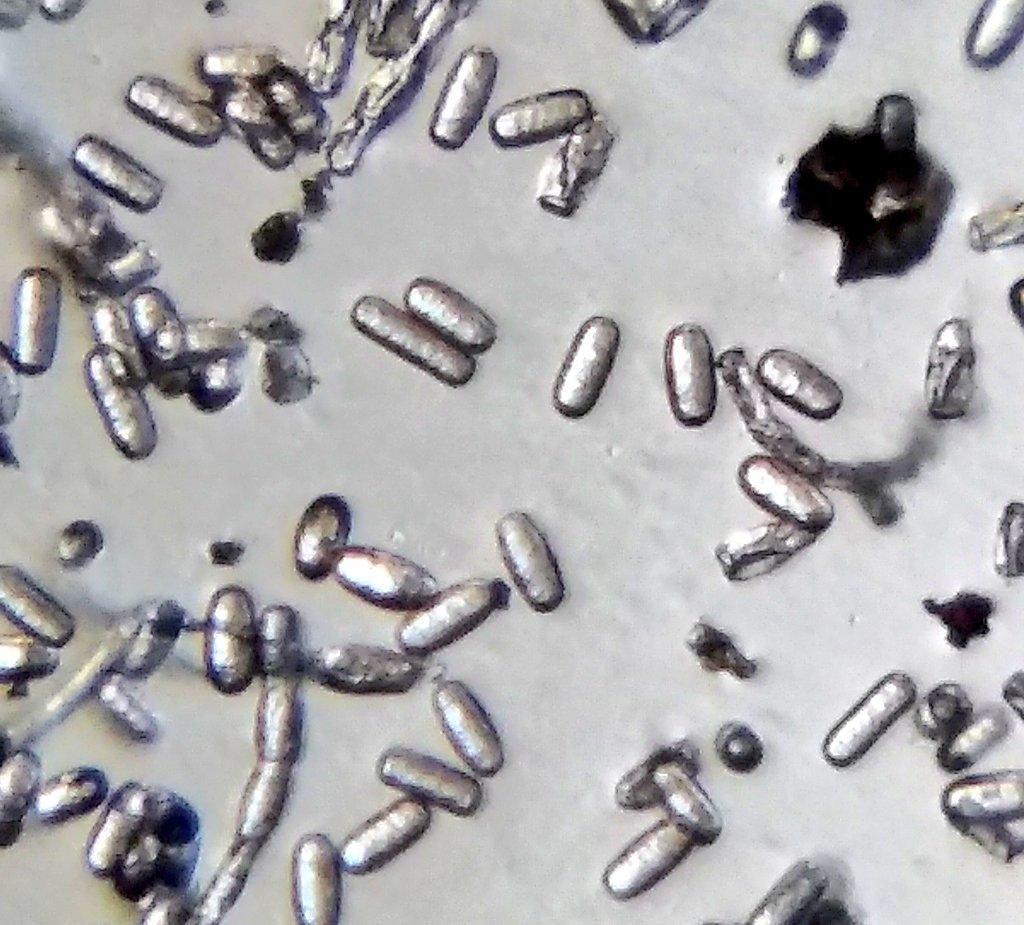
Powdery mildew looks like someone dusted the zucchini with icing sugar. It is a clan of fungi, not one species, and it is one of the few plant diseases that thrives when the leaf is dry. Australian gardeners meet it on roses, crepe myrtle, peas, pumpkins, cucumbers and the odd native that was planted too close to a fence.
It is ugly. It is rarely the only reason a plant dies. Panic sprays of mixed kitchen ingredients are how people burn leaves that were still working.
What you are seeing
A white or grey powder you can rub off, starting as spots, then coating the leaf. New growth may twist. Severe infections yellow the leaf and send it early. On roses it loves soft spring tips. On cucurbits it loves the late-summer scramble when the vines have become a jungle.
Downy mildew is the lookalike: angular patches, often with a grey felt under the leaf, after wet weather. Treatment differs. If the leaf is wet for hours and the patches are angular, do not run the milk-spray script on autopilot.
Citrus powdery mildew is a biosecurity topic in some states, not a backyard milk job. Know your host.
Culture first
Mildew is a crowd disease. It wants still air and a soft, nitrogen-drunk leaf.
- Prune to let morning sun in. Roses that are a thicket in September will mildew in October.
- Water the soil. Overhead watering at dusk is a gift to several fungi; powdery mildew is less needy of wet leaves than black spot, but the wet night still helps other problems. See black spot.
- Do not feed roses and cucurbits as if they were a lawn. Soft growth mildews.
- Choose resistant varieties next year. Some pumpkins and cucumbers are bred to delay the inevitable. Delay is worth having.
In humid coastal NSW and Queensland, mildew is a season, not an event. In dry inland summers it still appears under irrigation and shade cloth.
Sprays that are honest
Milk. One part dairy milk to nine parts water, sprayed to coat the leaf on a dry, bright morning. Repeat weekly from first sight. It is surprisingly useful early. It will not redeem a collapsed zucchini forest in March.
Potassium bicarbonate or a labelled horticultural bicarbonate product. A contact spray that changes the leaf surface. Follow the rate. More is not nicer.
Wettable sulphur. Old, effective, and easy to burn leaves in heat. Do not use when the day will be hot. Do not mix casually with oil sprays unless the label allows it. Keep it off cucurbits that resent sulphur if the variety is sensitive.
Synthetic mildewicides. They exist for roses and grapes. Rotate actives if you use them, because resistance is a real thing. They are not a substitute for pruning.
Do not mix milk, oil, bicarbonate, garlic and a commercial fungicide in one tank because an uncle did. That is how you write a phytotoxic yellow that you will then blame on the fungus.
When to give up
A late-season pumpkin that is 70 per cent white and still holding fruit can be left to finish, with the worst leaves removed so air moves. A rose that mildews every spring in a dank corner needs a new home or a new variety, not a new personality.
Bin or hot-compost the worst material. Do not leave a pile of mildewed leaves against the stems.
If the white dust is on citrus flush and the tree is in a nursery district, check your state’s biosecurity notes before you assume it is “just mildew”. For the rest of the backyard, the sequence is cut, air, water the soil, spray a simple mix, and stop feeding like a fool. That sequence, repeated, is the treatment.
Roses, cucurbits and the end of the season
On roses, mildew on the first red tips is a signal to open the plant and ease the nitrogen. A weekly milk or bicarbonate programme through a humid spring is reasonable. A bush that is mildew from fence to path in a dank corner should be moved or replaced. You are not failing. The site is.
On zucchini and pumpkin, mildew at the end of a long summer is almost a courtesy. Keep enough green leaf to ripen the fruit you care about. Remove the worst umbrellas. Stop watering the foliage. Do not start a chemical programme on a vine you will pull in three weeks.
Peas in a still, warm winter will mildew if they are a thicket. Thin them. They are an annual. Next year, more space.
Keep notes of varieties that held leaf. That list is worth more than a new spray next September.
A note from the desk
Field note: crepe myrtles mildew in still courtyards and shrug in a breeze. Move the chair, not only the spray.
Climate, soil and the long view
Australian gardens punish copied calendars. A method that works on a Melbourne clay in November can fail on a Cairns wet-season afternoon or a Perth sand in February. Keep a notebook: soil type, the week the pest arrived, the product and the active, the week the plant recovered. That notebook becomes a local almanac worth more than a national magazine spread. Share it with the next owner. Gardens are longer than our tenancies, and the useful knowledge is almost always local, modest, and written in the same Australian English we use on this desk. If a guest writer can add a climate we missed, the write for us page is open. If we got a fact wrong, use contact. The work is the garden, not the performance of certainty.
Mixing, weather and the week after
Spray milk or bicarbonate when the leaf will dry. A humid evening application sits. A hot midday sulphur application cooks. The useful hour is a mild morning.
Clean the sprayer. Yesterday’s herbicide in the same bottle is how roses write a letter of complaint.
The week after a successful pass, the white looks worse because you are looking. Judge on new growth. If new growth is clean, you are winning. If new growth is white on day two, culture is still wrong: too tight, too much nitrogen, too little sun.
Pull the zucchini when the fruit you wanted is ripe. Leaving a mildew cathedral “in case” is how the next crop starts dirty.
Questions gardeners ask
How do I treat powdery mildew naturally?
Remove the worst leaves, open the canopy, water the soil not the foliage, and spray one part milk to nine parts water on a dry morning. Repeat weekly.
Is powdery mildew worse in wet weather?
It likes humidity and dry leaves — crowded plants, cool nights, warm days. It is not the same fungus as downy mildew, which wants a wet leaf.
Can I compost mildewed leaves?
A hot heap will cook many spores. A cold pile will store them. If in doubt, bin the worst material.
Want to add a climate the desk missed? Pitch a guest post or send a correction.
Keep reading in plant health
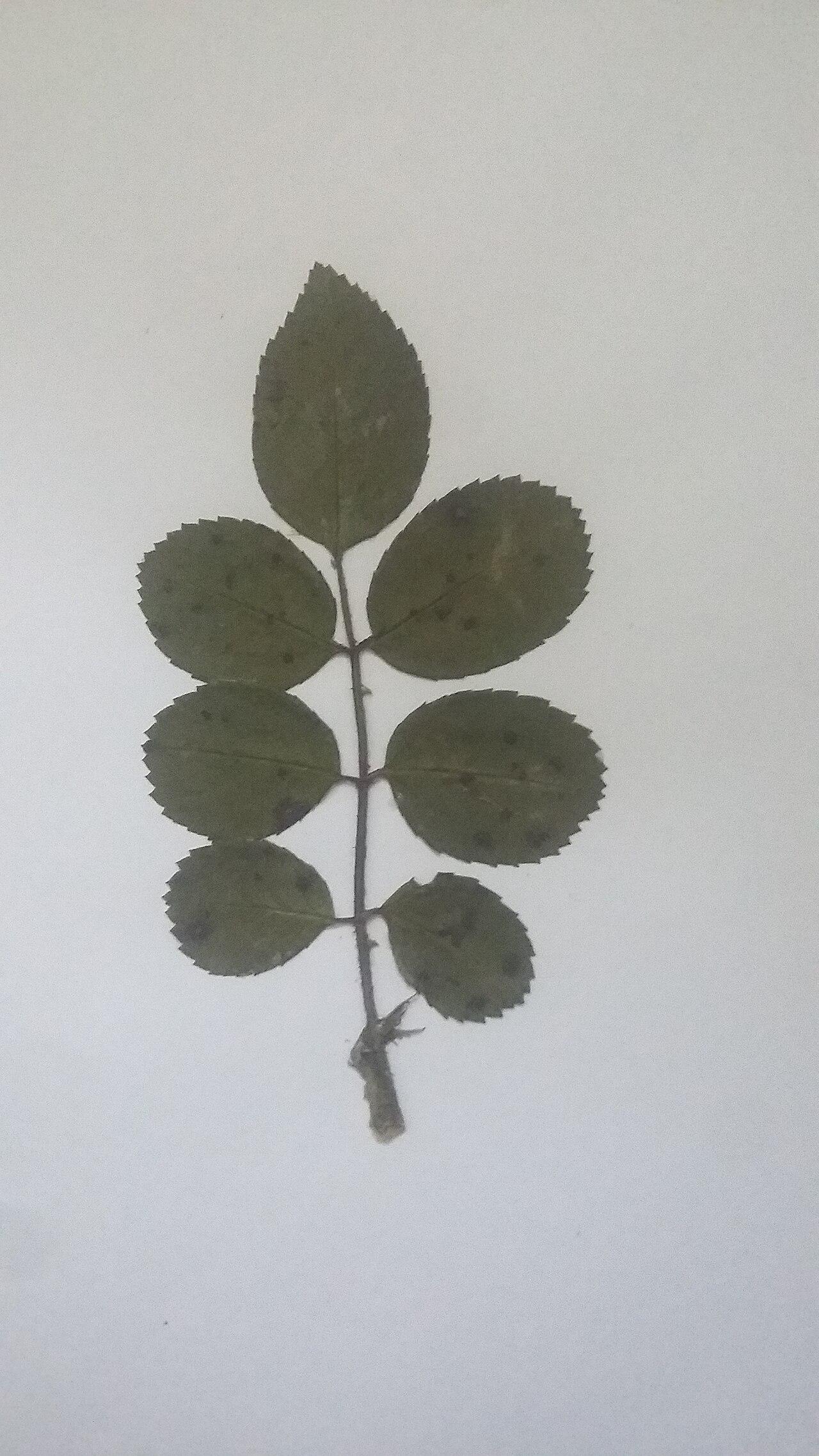
How to Treat Black Spot on Roses
Diplocarpon rosae loves wet Australian springs. Sanitation, spacing and a spray calendar beat a single heroic fungicide Saturday.
Maya Chen · 1 March 2026
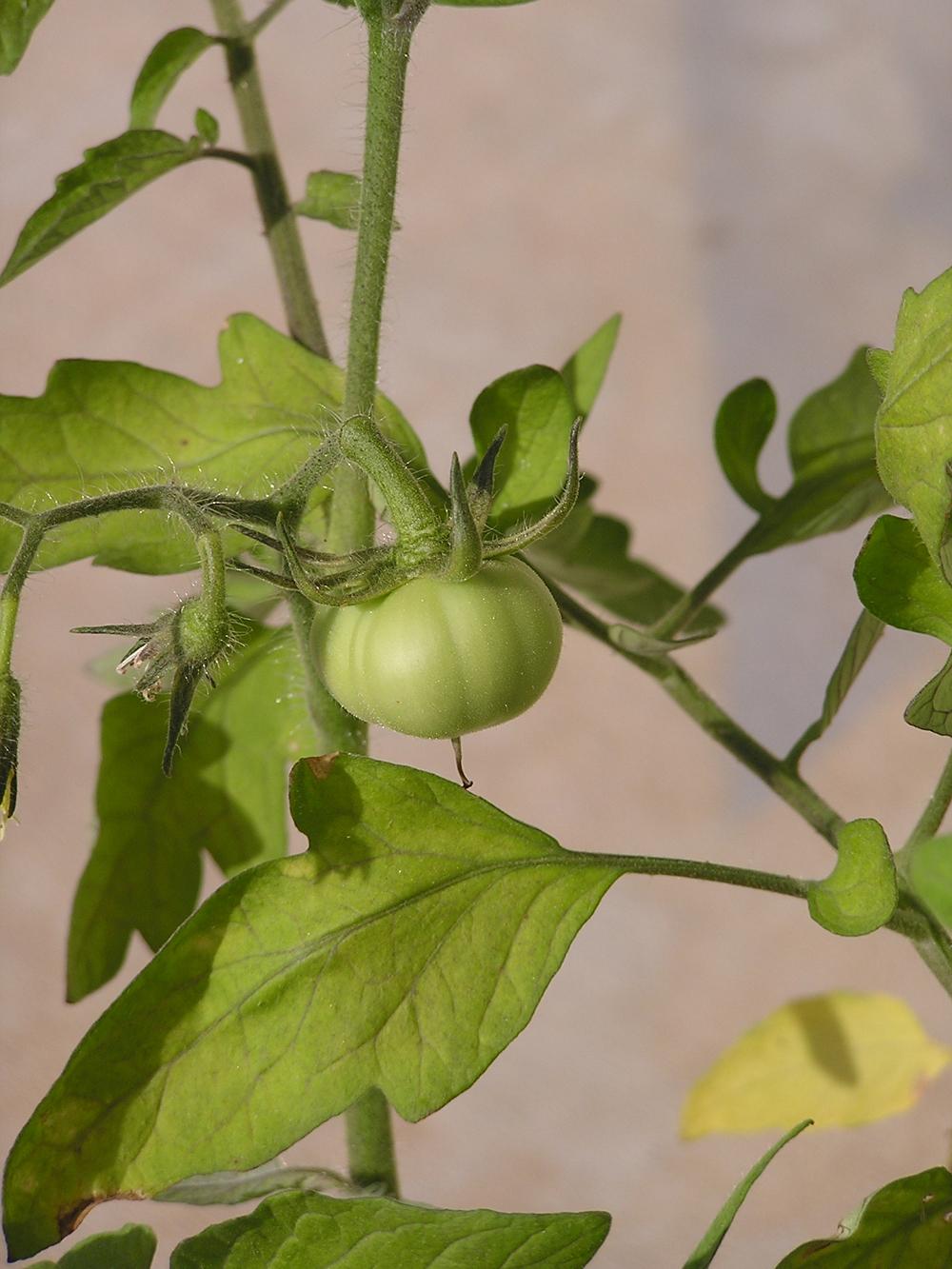
How to Grow Tomatoes in Australia
After frost, in sun, with airflow. Choose a variety for your season, stake early, and water the soil — not the mildew.
James Okonkwo · 30 January 2026

Aphids on Roses: Identification and Control
Rose aphids arrive with the first soft flush. Blast, squash, oil, and keep the ants off — before you reach for a spray that also kills the hoverflies.
Maya Chen · 18 February 2026