How to Grow Tomatoes in Australia
After frost, in sun, with airflow. Choose a variety for your season, stake early, and water the soil — not the mildew.
By James Okonkwo, Edible gardens editor · 30 January 2026 · 6 min read
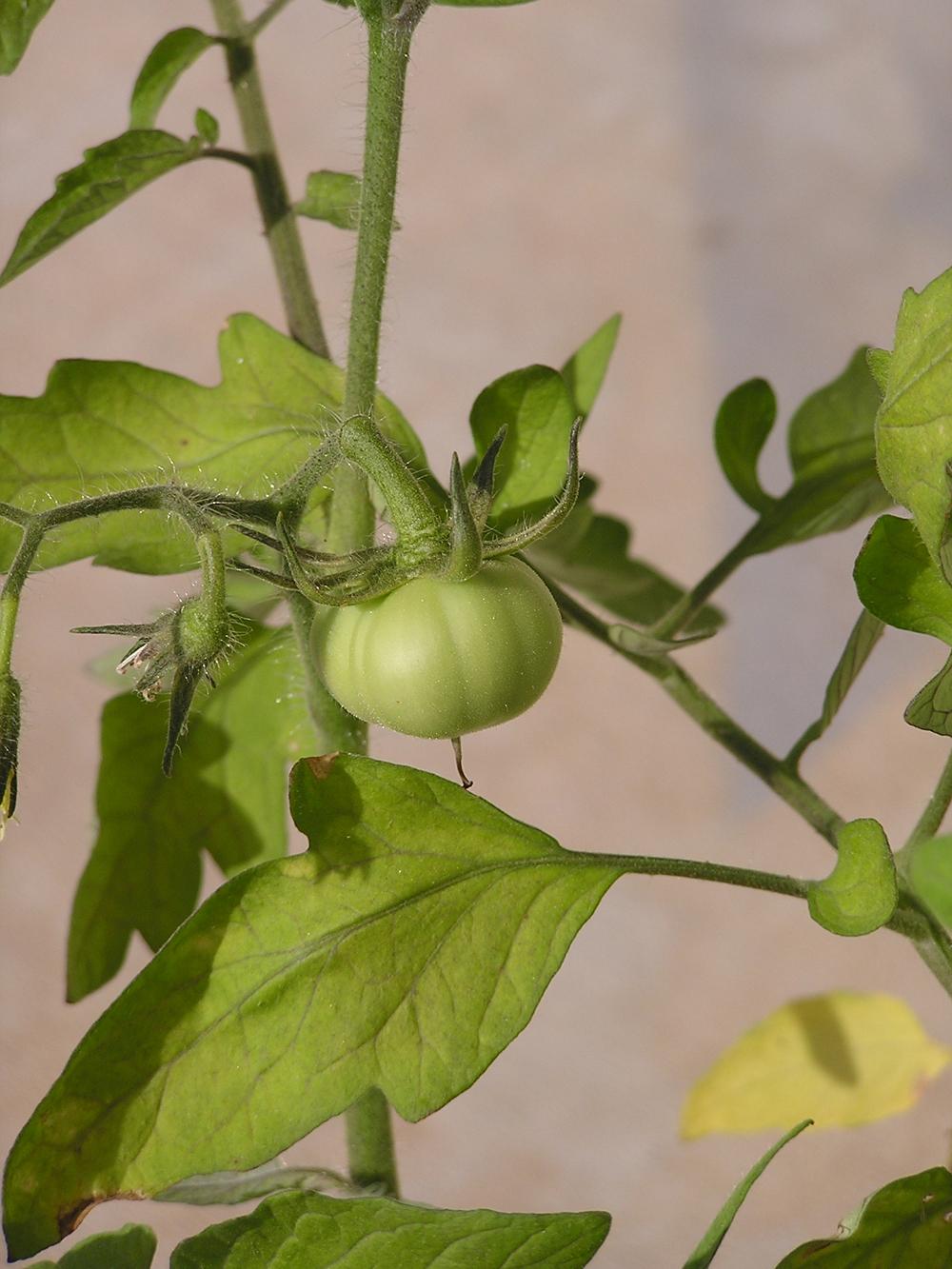
Tomatoes are the vegetable Australians treat as a personality test. They are a summer crop with rules. Break the rules and you get powdery mildew, fruit fly stings, and a green cathedral that never ripens.
When and what
Wait for the frost to be over and the soil to be warm. A seedling planted brave in August in Canberra is a martyr. In Hobart you may not plant until late October. In Darwin you grow in the dry and rest in the wet. In Brisbane you can push earlier, then fight humidity.
Choose varieties for your season length. Cherry types forgive. Large beefsteaks in a short cool summer are optimism. Grafted plants help where soils are tired or nematode-y. Heirlooms are flavour and disease susceptibility in a pretty packet.
The hole
Sun, six-plus hours. Wind enough to move air, not a south-westerly that snaps stakes. Soil that drains. Compost in the hole, not a bucket of fresh manure that grows leaf forever. A stake or a cage goes in at planting, not after the plant has fallen over.
Plant deep; tomatoes grow roots along the buried stem. Water in. Mulch. Keep the mulch off the stem.
Water and food
Even moisture. A dry spell then a flood is how skins split and blossom-end rot appears. Water the soil, not the leaf, in the morning. A weekly deep soak beats a daily sprinkle once the plant is down.
Feed as fruit sets, not only as a nitrogen binge in week two. Too much N is a jungle with no tomatoes.
Pests
Queensland fruit fly will find a ripening fruit in many districts. Net early, pick often, destroy stung fruit properly. See the fruit fly guide.
Hornworms and other caterpillars are a hand-pick. Blight and leaf spots want airflow and dry leaves. Pull the plant that wilted overnight on one side if you suspect bacterial wilt; do not compost it in a cool heap.
At the end of the season, bin the vines if they were diseased. Do not plant tomatoes in the same tired hole every year if you can rotate.
A good tomato year is a calendar plus airflow plus water discipline. Everything else is folklore and Facebook. Grow fewer plants better. Eat them warm from the vine. That is the whole point of the crop.
Stakes, laterals and the January jungle
Put the stake in at planting. A tomato tied as an afterthought snaps. Indeterminate varieties can be kept to one or two leaders if you pinch laterals; you will get cleaner fruit and less mildew. Bush types should be left to bush.
In January the jungle arrives. Keep the base open. Pull the lowest leaves that yellow. Water the soil. Pick every ripe fruit before the fly does.
If fruit fly pressure is high, grow cherries in a netted cage and give up on the prize beefsteak for a year. A bowl of clean cherries is a better summer than a crate of maggots.
A note from the desk
Field note: five plants, staked, netted, beaten the fly, will feed you. Twenty plants in a tangle will feed the fly.
Climate, soil and the long view
Australian gardens punish copied calendars. A method that works on a Melbourne clay in November can fail on a Cairns wet-season afternoon or a Perth sand in February. Keep a notebook: soil type, the week the pest arrived, the product and the active, the week the plant recovered. That notebook becomes a local almanac worth more than a national magazine spread. Share it with the next owner. Gardens are longer than our tenancies, and the useful knowledge is almost always local, modest, and written in the same Australian English we use on this desk. If a guest writer can add a climate we missed, the write for us page is open. If we got a fact wrong, use contact. The work is the garden, not the performance of certainty.
Soil, rotation and the same hole
Tomatoes in the same hole for a decade collect disease. Move them around the vegie patch. If the patch is tiny, change the mix in a large pot or a grow bag and be strict about watering.
A living soil with compost reduces blossom-end rot stories because water holds more evenly. Eggshells on the surface are a superstition. Even moisture is a method.
Stake with something that will still be standing in February. Soft ties. A figure-eight so the stem does not rub raw.
If late blight or a wilt takes the row, pull it. Do not spray a corpse. Plant basil in the gap if you must plant something, and start again next spring with later, warmer soil.
Keeping records, neighbours and the next season
The gardens that improve are the ones that write things down. Note the week a pest arrived, the active you used, the days until the plant looked better, and the soil under your nails — sand, loam or clay. Share the useful notes with a neighbour. A street that treats bindii in winter, nets fruit in spring, and waters deeply on rostered days outperforms any single heroic yard. The Green Doctor is written for that kind of suburb: practical, climate-honest, and willing to say when a plant is in the wrong hole. If your postcode behaves differently, send the desk a correction. We would rather update a guide than leave a reader watering a grub. The long view is a better lawn, a cleaner citrus, a native that lives, and fewer Saturday panic sprays. That view is built in seasons, not in a single product. Keep the secateurs sharp. Keep the mulch off the stems. Keep the questions specific. The rest is weather, which we do not command, and soil, which we can slowly help. Return to the relevant topic hub when the next job appears, and ignore any advice that cannot name an Australian climate. Certainty without a postcode is entertainment. This journal would rather be useful.
Questions gardeners ask
When should I plant tomatoes in Australia?
After the last frost and when nights sit above about 10 °C. Mid-spring in many temperate cities; later on the tablelands; in the dry season in the true tropics.
Why do my tomatoes get black bottoms?
Blossom-end rot is a calcium-and-water story, not a lack of eggshells on the surface. Even moisture and a living soil beat a panic spray.
Should I prune laterals?
On indeterminate varieties, yes if you want order and airflow. On bushes, no. Know which you planted.
Want to add a climate the desk missed? Pitch a guest post or send a correction.
Keep reading in edible gardens

Queensland Fruit Fly Control for Home Gardens
Net early, pick clean, destroy stung fruit. Baits help a street more than a single hero tree.
James Okonkwo · 16 March 2026
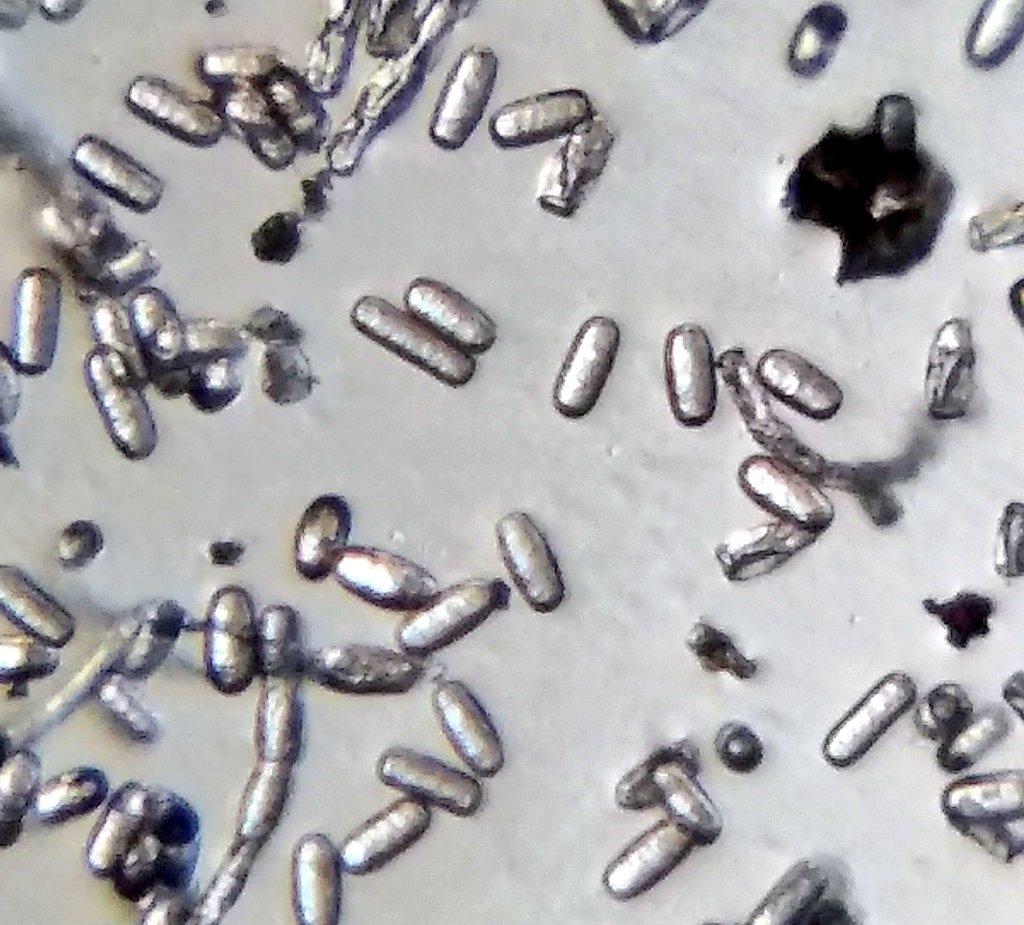
How to Treat Powdery Mildew in Australian Gardens
The white dust on roses, cucurbits and peas is a dry-weather fungus. Cut, air, milk spray, and know when a zucchini is finished.
Maya Chen · 22 March 2026
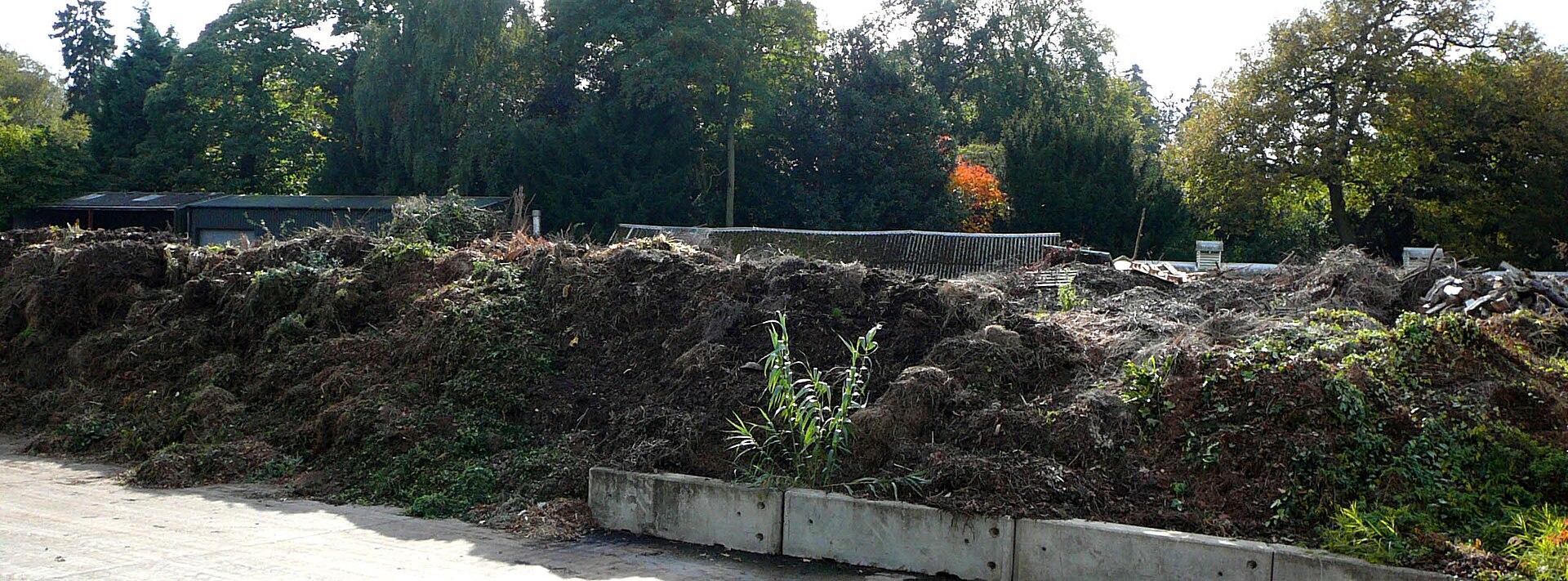
How to Compost in an Australian Backyard
Hot heaps, cool bays and tumblers in a climate that can cook or drown a pile. Rat-smart, fruit-fly-smart, and useful.
Helen Walsh · 12 March 2026