How to Mulch Garden Beds Correctly
Fifty to seventy-five millimetres, off the stems, refreshed before summer. Chip, leaf, sugarcane and gravel are different tools.
By Helen Walsh, Soil and compost editor · 28 March 2026 · 6 min read
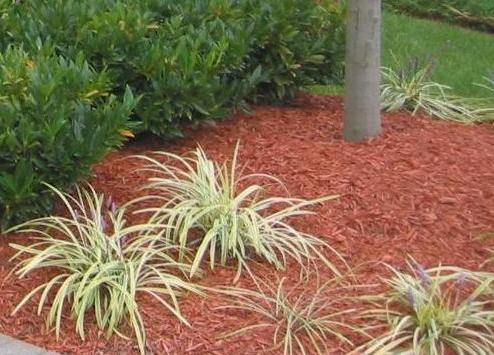
Mulch is a hat for the soil. In an Australian summer it is the difference between a root zone that stays dark and a surface that reaches temperatures you would not sit on. People still pile it against stems like a shrine and then ask why the citrus collar rotted.
Depth and the gap
Fifty to seventy-five millimetres after it has settled. Water the soil first if it is dry; mulch on dust keeps dust. Pull it back from stems, trunks and the crowns of perennials. A hand’s width is enough. Trees do not want a volcano.
Refresh before summer and after a windy autumn. You are topping up, not burying the garden each year.
Which mulch
Coarse wood chips last, suppress weeds, and suit trees and shrubs. Fresh chips can tie up a little nitrogen at the interface; a compost layer underneath avoids the yellowing people blame on “the chips”.
Leaf litter is free and correct under many Australian trees. It is also the native garden’s actual aesthetic. See natives.
Sugarcane and pea straw are the vegetable garden’s friends. They break down fast, which is a feature. They can carry weed seed if the source is sloppy.
Gravel and scoria suit succulents, some Mediterranean beds, and fire-aware landscapes. They do not feed the soil. Combine with compost underneath if the plants want it.
Plastic and weed mat cook soil and shred into the decade. They are a last resort under a path, not a garden philosophy.
Coloured “beauty bark” is a look. Fine if the depth and gap are right. It is not more scientific because it is red.
Fire, wind and water
In bushfire-prone places, coarse combustible mulch against the house is a conversation with your local guidance. Gravel near the walls, organic matter further out, is a common compromise.
On sand, mulch plus a wetter plus compost is the trinity; see sandy soil. On clay, mulch stops the surface sealing and cracking; it does not replace structure work.
Water through the mulch. A quick sprinkle wets the chip and not the soil. After mulching, run the hose until the profile underneath is dark.
Mulch is not optional in most Australian ornamental beds. Bare soil is a special effect for a week after planting. Then the hat goes on, off the stem, at a depth you can measure with your fingers. That is the whole craft.
Fine mulch, slugs and summer crusts
Fine, fluffy mulch looks tidy and can crust or stay too wet at the stem. Coarse chips look rustic and last. In a wet winter, fine mulch against a collar is slug housing and rot. Pull it back.
In a dry summer, a crusted fine mulch sheds water. Break it with a fork and water slowly until the soil underneath is dark. Then consider a coarser top-up.
Newspaper under mulch is a short-term weed tool. It becomes a slippery layer if you sheet it thick. Use it as a spot treatment, not a bed philosophy.
Mulch is maintenance. Budget it like fertiliser. A garden that is mulched once in 2019 is a garden that is bare now.
A note from the desk
Field note: mulch volcanoes are visible from the street and from the cambium. Pull them back this weekend.
Climate, soil and the long view
Australian gardens punish copied calendars. A method that works on a Melbourne clay in November can fail on a Cairns wet-season afternoon or a Perth sand in February. Keep a notebook: soil type, the week the pest arrived, the product and the active, the week the plant recovered. That notebook becomes a local almanac worth more than a national magazine spread. Share it with the next owner. Gardens are longer than our tenancies, and the useful knowledge is almost always local, modest, and written in the same Australian English we use on this desk. If a guest writer can add a climate we missed, the write for us page is open. If we got a fact wrong, use contact. The work is the garden, not the performance of certainty.
Paths, playgrounds and the house edge
Chip on paths suppresses weeds and feeds the edge of beds as it breaks down. On a playground, check the standard for fall depth; garden mulch is not automatically playground mulch.
Against the house in a fire zone, take the combustible chip away from the walls. Use gravel there. The garden can start a metre out.
A yearly top-up is a budget line. If you cannot afford chip, use leaves. If you have no leaves, use a cheaper straw on the vegies and leave the ornamentals a little shabby. Bare soil in January is the expensive choice.
Keeping records, neighbours and the next season
The gardens that improve are the ones that write things down. Note the week a pest arrived, the active you used, the days until the plant looked better, and the soil under your nails — sand, loam or clay. Share the useful notes with a neighbour. A street that treats bindii in winter, nets fruit in spring, and waters deeply on rostered days outperforms any single heroic yard. The Green Doctor is written for that kind of suburb: practical, climate-honest, and willing to say when a plant is in the wrong hole. If your postcode behaves differently, send the desk a correction. We would rather update a guide than leave a reader watering a grub. The long view is a better lawn, a cleaner citrus, a native that lives, and fewer Saturday panic sprays. That view is built in seasons, not in a single product. Keep the secateurs sharp. Keep the mulch off the stems. Keep the questions specific. The rest is weather, which we do not command, and soil, which we can slowly help. Return to the relevant topic hub when the next job appears, and ignore any advice that cannot name an Australian climate. Certainty without a postcode is entertainment. This journal would rather be useful.
Questions gardeners ask
How thick should mulch be?
Aim for 50–75 mm on beds. Thinner than 30 mm vanishes. Thicker than 100 mm risks collar rot and a dry crust.
Should mulch touch the trunk?
No. Leave a hand’s width. Mulch volcanoes kill trees slowly.
Is sugarcane mulch better than chips?
Sugarcane is tidy and easy in vegie beds. Coarse chips last longer on paths and shrubberies. Both work if the depth and the gap at the stem are right.
Want to add a climate the desk missed? Pitch a guest post or send a correction.
Keep reading in soil & compost
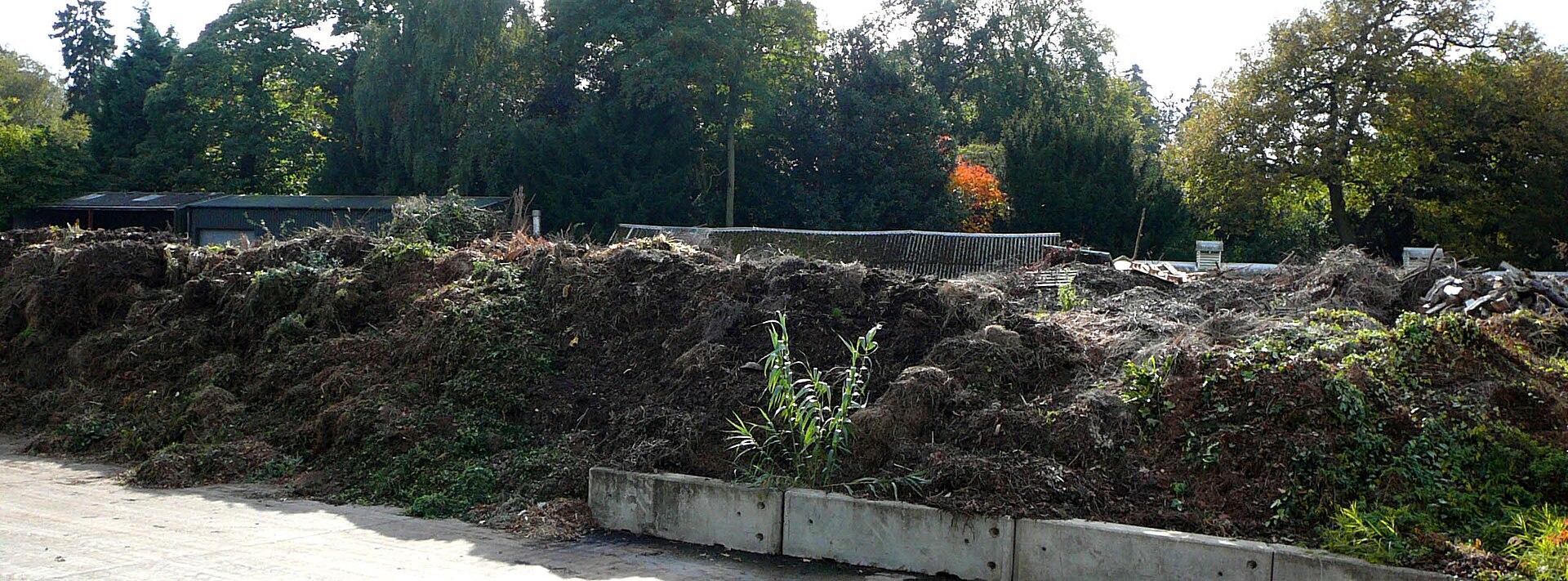
How to Compost in an Australian Backyard
Hot heaps, cool bays and tumblers in a climate that can cook or drown a pile. Rat-smart, fruit-fly-smart, and useful.
Helen Walsh · 12 March 2026
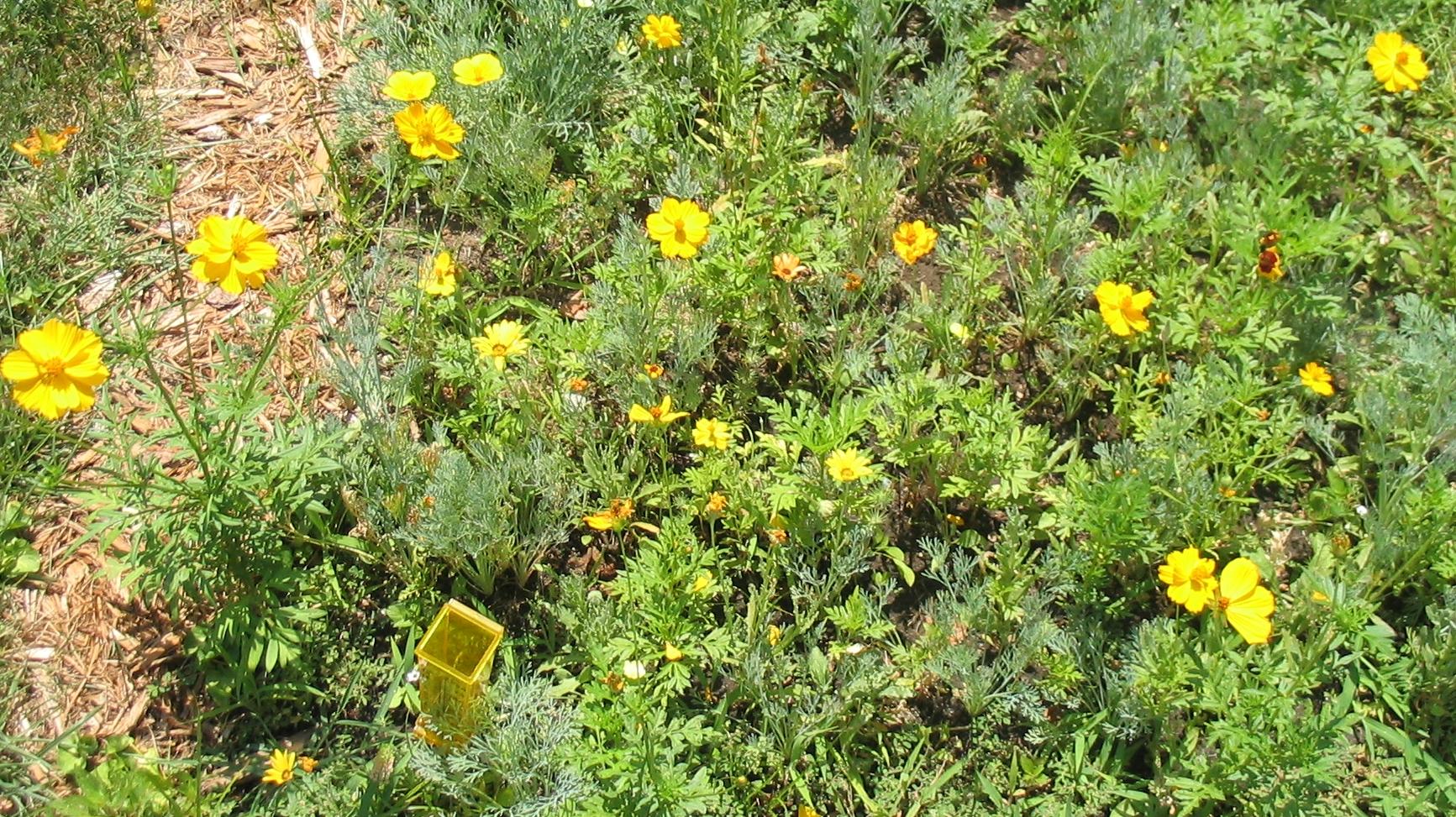
Water-wise Gardening in Australian Drought
Shrink the lawn, mulch the soil, water the roots, and plant what the rainfall can finish. Restrictions are a design brief.
Priya Nair · 18 January 2026
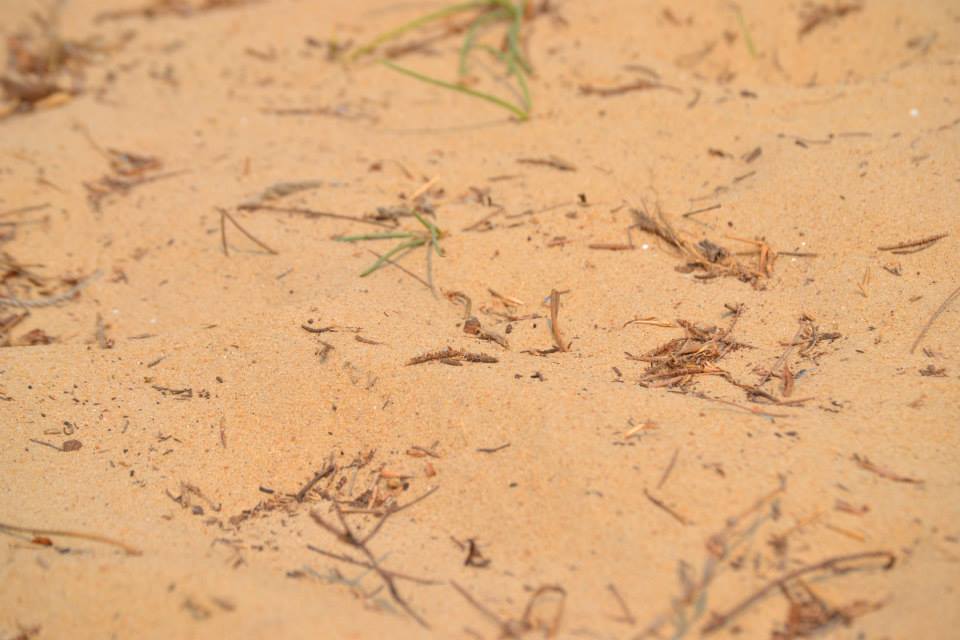
How to Improve Sandy Soil in Australia
Perth sands and coastal dunes leak water and nitrogen. Compost, wetters and smaller, more frequent feeds are the work.
Helen Walsh · 9 February 2026