How to Improve Sandy Soil in Australia
Perth sands and coastal dunes leak water and nitrogen. Compost, wetters and smaller, more frequent feeds are the work.
By Helen Walsh, Soil and compost editor · 9 February 2026 · 6 min read
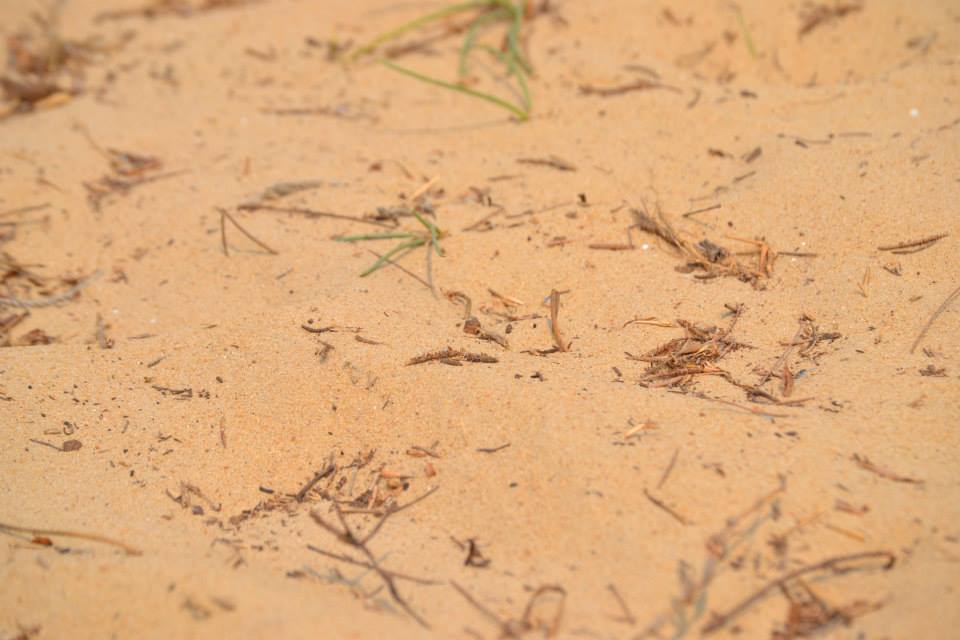
Sand is honest. It tells you, immediately, that you have under-watered and under-fed. Australian coastal sands — Spearwood and Bassendean in Perth, the dunes of the east coast, island soils, golf-course profiles — are some of the hungriest growing media on the planet. They also grow superb gardens when people stop treating them like a failed clay.
Hydrophobia is the party trick
Dry sand can repel water. You stand there with a hose and the water beads, runs sideways, and disappears down the one wet wormhole. The plant in the middle of the bed stays dry. A soil wetter, applied to dry soil and watered in, is standard kit, not a gimmick. Repeat two or three times a year on lawns and beds that have gone pale.
Organic matter reduces hydrophobia over time because it holds water and supports the biology that keeps surfaces wettable. A wetting agent without compost is a subscription. Compost without an occasional wetter can still fail after a 40 °C week.
Compost, not clay
Add compost, composted manure, and mulch. Fifty millimetres a year looks small and is how sand becomes a garden. Do not back a trailer of clay into a sand bed and rototill. You will make concrete lenses.
Biochar and mineral blends have fans. They are extras. The staple is organic matter you can repeat.
On a lawn, a compost topdress after aeration helps more than another bag of “sand soil improver” that is mostly more sand.
Feed small, water deep
Nitrogen leaves the profile with the first heavy irrigation. That is why Perth lawns look hungry a fortnight after a cheap urea dump. Slow-release lawn foods and split vegetable feeds match the soil. See the lawn fertiliser schedule.
Water in split cycles so the second pass catches the first. Depth still matters. Shallow daily sprinkles grow shallow roots that die on Thursday. The watering guide is written with sand in mind.
What to plant
Local coastal natives, Mediterranean herbs, and vegetables in compost-enriched holes all work. A rose in raw dune sand is a hobby. A raised vegie bed with imported mix on sand is a sane kitchen.
Mulch. Sand in January will cook an exposed surface. Keep mulch off stems. See mulch.
Sand is not the enemy of Australian gardening. It is the enemy of imported clay habits. Feed it carbon, respect its drainage, and stop expecting it to behave like a Victorian vegetable plot after one Saturday.
A Perth footnote that travels
The classic Perth mistake is to treat Bassendean sand like a failed version of eastern loam. It will never be that. It will be a fast, honest medium that grows superb natives and good vegetables in composted holes. Wetters, compost, mulch, split watering, slow-release feed. Write those five on the tank.
Coastal eastern sands tell the same story with more rain. The rain is a leach, not a favour, if there is no carbon in the profile.
Stop buying “soil improver” that is mostly more sand. Buy compost by the metre. Your future self, in February, will still be on the same brief.
A note from the desk
Field note: a handful of Perth sand that will not wet in the palm needs a wetter, not a pep talk.
Climate, soil and the long view
Australian gardens punish copied calendars. A method that works on a Melbourne clay in November can fail on a Cairns wet-season afternoon or a Perth sand in February. Keep a notebook: soil type, the week the pest arrived, the product and the active, the week the plant recovered. That notebook becomes a local almanac worth more than a national magazine spread. Share it with the next owner. Gardens are longer than our tenancies, and the useful knowledge is almost always local, modest, and written in the same Australian English we use on this desk. If a guest writer can add a climate we missed, the write for us page is open. If we got a fact wrong, use contact. The work is the garden, not the performance of certainty.
Vegetables on sand
Dig a trench, fill it with compost and the sand you took out, half and half, plant into that. Mulch. Water split cycles. Feed little and often. That is a coastal vegetable garden. A raised bed of imported mix is the other honest option.
Do not chase a loam fantasy by importing clay. Grow the garden the sand will permit, which is a very good garden if you stop insulting it.
Native verge plantings on sand are the easiest public-facing win. They look like they belong because they do.
Keeping records, neighbours and the next season
The gardens that improve are the ones that write things down. Note the week a pest arrived, the active you used, the days until the plant looked better, and the soil under your nails — sand, loam or clay. Share the useful notes with a neighbour. A street that treats bindii in winter, nets fruit in spring, and waters deeply on rostered days outperforms any single heroic yard. The Green Doctor is written for that kind of suburb: practical, climate-honest, and willing to say when a plant is in the wrong hole. If your postcode behaves differently, send the desk a correction. We would rather update a guide than leave a reader watering a grub. The long view is a better lawn, a cleaner citrus, a native that lives, and fewer Saturday panic sprays. That view is built in seasons, not in a single product. Keep the secateurs sharp. Keep the mulch off the stems. Keep the questions specific. The rest is weather, which we do not command, and soil, which we can slowly help. Return to the relevant topic hub when the next job appears, and ignore any advice that cannot name an Australian climate. Certainty without a postcode is entertainment. This journal would rather be useful.
One more practical pass
Walk the garden with this guide in mind, not as a scripture. Check the soil with a finger or a probe, name the insect or the symptom, then do the smallest honest job — a deep water, a winter spray, a net, a prune, a mound. Come back in a fortnight and judge the new growth, not yesterday's damaged leaf. That habit, repeated through an Australian year, is worth more than a trolley of tonics and it is how a backyard starts to look looked-after rather than performed.
Questions gardeners ask
How do I make sandy soil hold water?
Add organic matter, use a soil wetter when the sand goes hydrophobic, mulch, and water deeply in split cycles. Clay blended in hobby amounts is a poor shortcut.
Why does my fertiliser disappear?
Sand leaches nitrogen. Use smaller, more frequent feeds or slow-release products. A single winter dump will not last a Perth summer.
Are native plants enough on sand?
Local natives are the easiest long game. They still need water to establish and they still appreciate composted organic matter in a suburban bed.
Want to add a climate the desk missed? Pitch a guest post or send a correction.
Keep reading in soil & compost
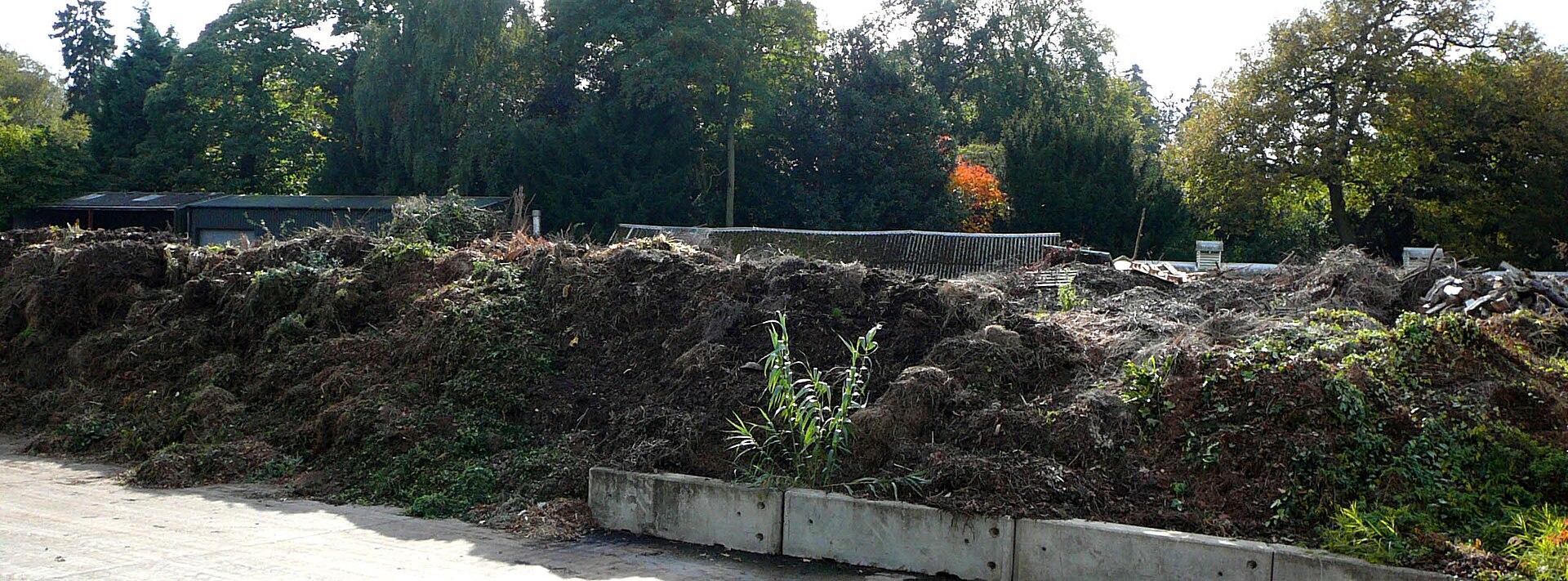
How to Compost in an Australian Backyard
Hot heaps, cool bays and tumblers in a climate that can cook or drown a pile. Rat-smart, fruit-fly-smart, and useful.
Helen Walsh · 12 March 2026

How Often Should You Water an Australian Lawn
Deep, infrequent watering beats a nightly sprinkle. Set a schedule for sand, clay and restrictions, and learn the signs you are watering the thatch.
Tom Barrett · 28 February 2026
Water-wise Gardening in Australian Drought
Shrink the lawn, mulch the soil, water the roots, and plant what the rainfall can finish. Restrictions are a design brief.
Priya Nair · 18 January 2026