A Lawn Fertiliser Schedule for Australian Climates
When to feed buffalo, couch and kikuyu, what NPK actually does, and why weed-and-feed is not a personality.
By Tom Barrett, Turf agronomist · 2 April 2026 · 6 min read
Lawn food is not a moral failing and it is not a religion. Grass is a crop that you harvest with a mower. You replace what you remove. The trick in Australia is to feed when the plant can use it, in an amount the soil will not dump into the stormwater, with a product that will not cook buffalo.
A simple calendar
Early spring. The first real feed as nights lift and the lawn starts to grow. This is also when winter weeds are easier to outcompete. If bindii is present, weed first or use a product that is safe for your grass; do not invent a mix.
Early summer. A lighter feed before the heat, not in the middle of a 40 °C week. Water the day before and immediately after granular applications.
Early autumn. Often the most valuable feed of the year. Roots grow, the soil is warm, and the lawn stores reserves for winter. In the tropics this may sit at the start of the dry.
Winter. Warm-season buffalo and couch do not want a nitrogen bomb in July in Hobart. A light iron tonic for colour is optional. In the tropics and warm subtropics, growth never fully stops; a gentle winter feed can be fine.
Sandy soils leach. They need smaller, more frequent feeds than a Melbourne clay that holds nutrient like a grudge. If you have been pouring high-phosphorus fertiliser onto a soil that already tests high in P, you are feeding algae in the creek, not the roots.
Read the bag like an adult
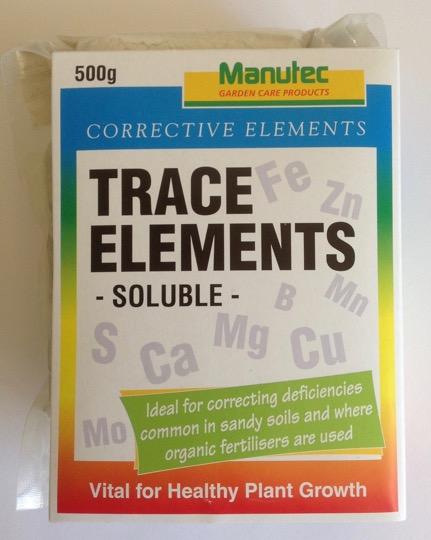
N is nitrogen — colour and growth. Too much, too fast, and you get thatch, armyworm candy, and a burn ring. P is phosphorus — useful at establishment, often already adequate in older suburban soils. K is potassium — wear and drought. Iron and traces fix the yellow-between-veins look that people mistake for nitrogen hunger; see yellow leaves if the rest of the garden is telling the same story.
Slow-release or controlled-release nitrogen is worth the extra money on sand and on people who cannot water in a cheap urea dump at 6 am. Hose-on feeds are convenient and easy to over-apply. Granules are measurable.
Weed-and-feed products exist because we are busy. They also exist to combine a herbicide you may not need with a fertiliser you may apply on the wrong day. Buffalo owners must treat every combination product as guilty until the label says otherwise.
Organic pellets and compost topdressing improve the soil food web and moisture. They will not match a labelled lawn food for a quick green-up. Use both if you like: compost as a soil habit, fertiliser as a crop habit.
How to apply without writing a burn circle
Mow first if the lawn is long, then wait a day. Apply to dry leaf, water in thoroughly. Sweep granules off paths; they stain and they wash to the bay. Keep the spreader shut when you turn. The dark overlapping stripes of a weekend hero are visible from the street.
Do not fertilise a lawn you have just diagnosed with grubs or a lawn that is straw from drought. Feed the living leaf. If half the yard is dead, repair water and pests, then feed.
Dogs and children should stay off until the product is watered in and the surface has dried, or as the label says, whichever is sterner.
A fertiliser schedule is a rhythm, not a personality. Three well-timed applications and a raised mower beat a monthly mystery tonic. If the lawn is still hungry on sand, split the dose. If it is lush and floppy, you are already paying the mower more than the grass is worth — cut the nitrogen and fix the watering.
Soil tests and the coastal footnote
If you have been feeding for years and the lawn is still pale, spend money on a soil test before you spend it on a fourth brand. High phosphorus, low potassium, and a pH that locks iron are common suburban findings. A test turns a shopping trip into a prescription.
Near the coast, salt in the profile and in the bore can mimic drought and nutrient burn. Flush if you can. Choose grasses that tolerate salt. Do not keep raising nitrogen to paint over a salinity problem.
Organic matter still matters under a lawn. A yearly compost topdress will not replace NPK. It will make the NPK you do apply sit in a soil that can hold it. On sand that is the difference between a lawn and a green moment.
Feed the grass you have, on the days it can grow, in an amount you can water in. That sentence is the schedule.
A note from the desk
Field note: the darkest lawn in the street is sometimes the sickest — nitrogen-drunk, thatchy, and one moth flight from disaster. Aim for sturdy, not neon.
Climate, soil and the long view
Australian gardens punish copied calendars. A method that works on a Melbourne clay in November can fail on a Cairns wet-season afternoon or a Perth sand in February. Keep a notebook: soil type, the week the pest arrived, the product and the active, the week the plant recovered. That notebook becomes a local almanac worth more than a national magazine spread. Share it with the next owner. Gardens are longer than our tenancies, and the useful knowledge is almost always local, modest, and written in the same Australian English we use on this desk. If a guest writer can add a climate we missed, the write for us page is open. If we got a fact wrong, use contact. The work is the garden, not the performance of certainty.
The week of the application
Mow. Wait a day. Apply to dry leaf. Water in. Stay off until dry. Sweep the path. Note the bag and the rate. If the lawn stripes, your overlap is greedy. If it yellows in spots, you burned or you missed. Adjust the spreader next time, do not invent a new brand immediately.
On sand, split the spring rate in two, a fortnight apart. On clay, the full rate once is usually enough. The grass will tell you. Floppy, lush, pale new growth is too much N. Slow, yellow, older leaves fading is too little — or water, or iron. Diagnose before you double.
Questions gardeners ask
When should I fertilise my lawn in Australia?
Feed warm-season grasses as they grow: typically early spring, early summer and early autumn. Skip heavy nitrogen in a cold winter and on a dormant tan couch.
What NPK does a lawn need?
A complete lawn food with nitrogen for leaf, some phosphorus for roots (less on already high-P soils), and potassium for stress. Iron greens colour without a growth spike.
Can fertiliser burn a lawn?
Yes, especially granules sitting on wet leaf or a dry thatch in heat. Water in. Do not exceed the label. Do not feed a grub-eaten brown patch and hope.
Want to add a climate the desk missed? Pitch a guest post or send a correction.
Keep reading in lawn care
How Often Should You Water an Australian Lawn
Deep, infrequent watering beats a nightly sprinkle. Set a schedule for sand, clay and restrictions, and learn the signs you are watering the thatch.
Tom Barrett · 28 February 2026
How to Fix a Brown Lawn in Australia
Brown turf is a symptom. This guide shows how to tell drought, grubs, fungus and fertiliser burn apart, then repair an Australian lawn without wasting water.
Tom Barrett · 12 February 2026
How to Improve Sandy Soil in Australia
Perth sands and coastal dunes leak water and nitrogen. Compost, wetters and smaller, more frequent feeds are the work.
Helen Walsh · 9 February 2026