How to Fix a Brown Lawn in Australia
Brown turf is a symptom. This guide shows how to tell drought, grubs, fungus and fertiliser burn apart, then repair an Australian lawn without wasting water.
By Tom Barrett, Turf agronomist · 12 February 2026 · 6 min read
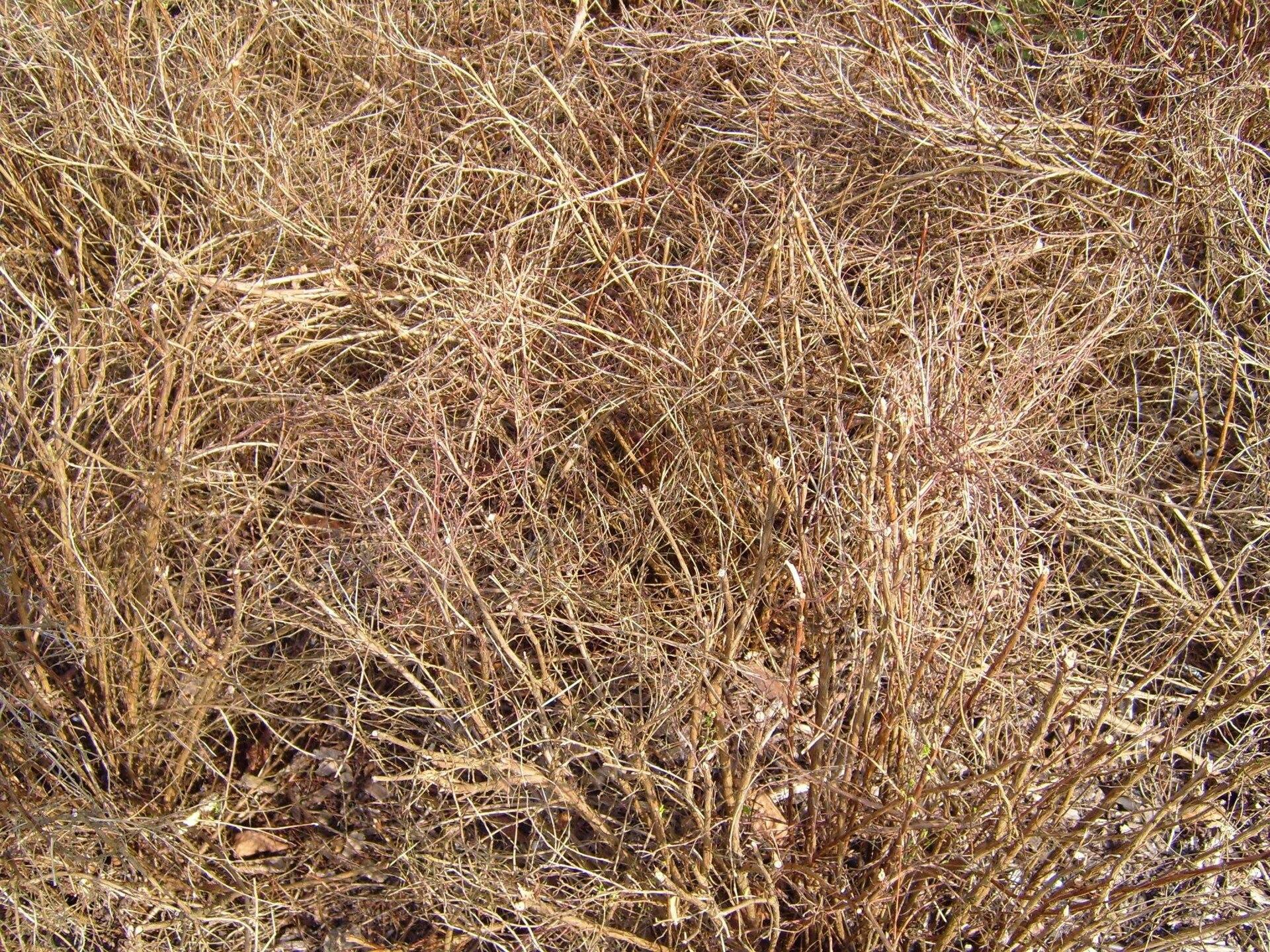
A brown lawn in an Australian summer is not a single disease. It is a colour. The same straw patch can mean the soil is hydrophobic, armyworm has stripped the leaf overnight, a fairy ring has started after a humid week, or last Saturday's hose-on feed sat on dry thatch and cooked it. Treat the colour and you will water a grub, feed a fungus, or ban the kids from a lawn that only needed a deep drink and a wetting agent.
This guide is written for buffalo, couch, kikuyu and zoysia in Australian yards. It does not borrow a northern-hemisphere calendar. If you are in tropical Darwin the clock is the wet and the dry. If you are on a Perth sandplain the problem is water that will not stay. If you are on Melbourne clay the problem is water that will not leave.
Diagnose before you treat
Walk the lawn in the cool of the morning. Take a bread knife or a half-moon edger and lift a dinner-plate of turf at the edge of a brown patch, not in the middle of a dead desert.
- If the soil is powder-dry below 50 mm and the roots are still white, you are looking at drought or a hydrophobic sand. Water is the first job, not fertiliser.
- If the turf lifts like a cheap rug and you find C-shaped cream grubs, or birds have been stitching holes at dusk, treat for lawn grubs before you talk about recovery.
- If the thatch smells sour, the blades have spots or smoke-coloured mycelium, and the weather has been warm and wet, read the lawn fungus guide. Extra nitrogen now will feed the pathogen.
- If the brown follows the exact stripes of a spreader or the rings of a hose-on bottle, you burned it. Flush with water and wait.
A soapy-water test still earns its keep for caterpillars. Mix a squirt of mild detergent in a watering can and soak the edge of a patch at dusk. Armyworm and sod webworm often come up within ten minutes. Curl grubs stay down; you find those by lifting turf.
Why Australian lawns brown so fast
Most popular Australian turf is a warm-season grass. Buffalo (Stenotaphrum secundatum), couch (Cynodon dactylon and hybrids), kikuyu and zoysia grow hard in heat and sulk in a cold winter. They also shut down when the root zone dries. That shutdown looks like death and often is not.
Three local facts make the colour change violent:
- Sandy soils in Perth, the NSW coast and much of coastal Queensland shed water and nutrient. A lawn can look fine on Monday and straw on Thursday if the wetting agent has worn off.
- Water restrictions train people to sprinkle every evening for ten minutes. That wets the thatch, not the roots, and invites fungus.
- Summer pests — lawn armyworm, sod webworm, African black beetle and billbugs — peak when the grass is already stressed. A healthy lawn hides a few insects. A thirsty lawn becomes a buffet.
Shade from a lilly pilly hedge or a south fence is a fourth, quieter cause. Buffalo copes with shade better than couch. Couch in deep shade thins, then weeds, then browns. No fertiliser fixes a light problem.
A repair plan that does not waste water
Once you know the cause, the repair is boring and it works.
Week one. Stop mowing into the brown. Raise the deck. If the soil is dry, apply a soil wetter and water slowly until the top 100–150 mm is moist. On sand that may take two or three short cycles so the water does not run to the nature strip. If grubs are confirmed, use a product whose label names your pest and your turf. Chlorantraniliprole is the usual modern choice for armyworm and curl grubs; it needs water to move into the profile. Bifenthrin products are harsher on non-target insects and are the wrong first move in a small backyard if a softer option is labelled.
Week two. Rake only the dead leaf that comes away. Do not scalp runners that still have a hint of green. Keep the irrigation deep and infrequent. See how often to water an Australian lawn rather than inventing a daily sprinkle.
Week three. If half the patch has greened, you may apply a light, complete lawn food — not a weed-and-feed, not a high-burn urea dump. Hold fertiliser if the lawn is still mostly straw. Buffalo owners should read labels twice; many dicamba weeders are unsafe on buffalo even when the box shows a green lawn.
Week four. Overseed or patch only when the cause is gone. Couch and kikuyu often crawl back from the edges. Buffalo is slower. Bare dirt in shade may be a job for dichondra or another groundcover, not another roll of sun-loving couch.
Climate notes
Tropics. Brown in the dry season is usually water and armyworm. Brown in the wet is usually fungus and waterlogging. Do not copy a Sydney spring fertiliser ad in March.
Subtropics (Brisbane, northern NSW). Late summer armyworm flights are famous. A lawn that “dies overnight” is rarely drought.
Warm temperate (Sydney, Adelaide). Mixed: spring bindii, summer grubs, autumn fungus if you keep watering like January.
Mediterranean (Perth, much of SA). Hydrophobic sand is the default. A wetting agent in spring and early summer prevents more brown lawns than any tonic.
Cool temperate (Melbourne, Hobart, tablelands). Cool-season rye or fescue mixes stay greener in winter and brown in a hard January. Warm-season couches go khaki in winter and that is dormancy, not a trip to the tip.
What not to do
Do not dye a dead lawn and call it fixed. Do not water at midday on 40 °C days and then blame the grass when the droplets lens-burn the leaf. Do not assume every brown ring is a fairy ring; dog urine does a tidy imitation. Do not replace a whole buffalo lawn because a corner went pale after one missed watering.
If the diagnosis is still muddy, write down the grass type, the soil (sand, loam, clay), the last feed, the last pest treatment, and whether birds have been working the surface. That list, plus a photo of the lifted turf, is worth more than a shopping-centre product wall. For the next job in the same family, see buffalo versus couch if you are choosing a replacement, or bindii if the brown arrived with prickles.
A lawn that has been honestly diagnosed almost always looks worse in week one and better in week four. That is the deal. Colour returns after roots drink, insects stop chewing, and you stop treating a symptom as if it were a brand of grass.
A note from the desk
Field note: on a Perth sand in February I have seen a buffalo recover from khaki in eighteen days after a wetter, two deep irrigations, and no fertiliser. The owner had been about to replace it. The roots were still white. Colour is a rumour. Roots are a fact.
Questions gardeners ask
Why is my lawn going brown?
In Australia the usual causes are drought stress, lawn grubs, fungal disease after warm humidity, or fertiliser burn. Lift a corner of turf before you water, spray or feed.
Will a brown lawn come back?
Warm-season grasses such as buffalo, couch and kikuyu often green again from crowns and runners if the roots are alive. If the turf rolls back like carpet and the roots are gone, you are renovating, not recovering.
Should I fertilise a brown lawn?
Not first. Feed only after you know the cause and the lawn has some green leaf again. Nitrogen on dead thatch or grub-eaten turf wastes money and can burn what is left.
Want to add a climate the desk missed? Pitch a guest post or send a correction.
Keep reading in lawn care
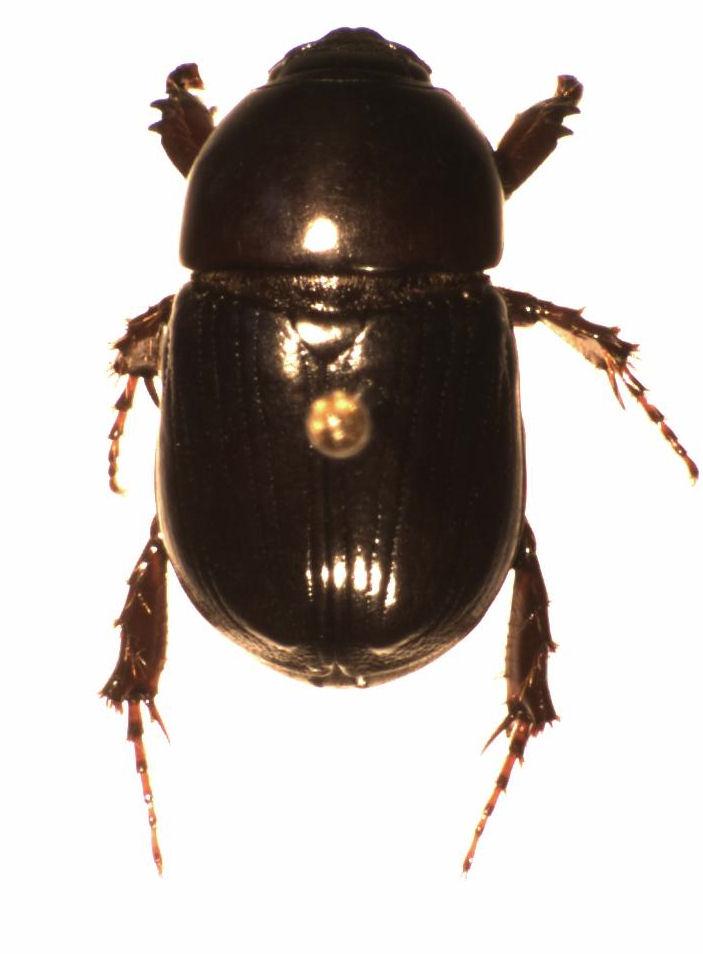
Lawn Grub Identification and Treatment in Australia
Armyworm, sod webworm, curl grubs and African black beetle ask for different tests and different products. Identify the insect before you treat the lawn.
Tom Barrett · 8 January 2026
How Often Should You Water an Australian Lawn
Deep, infrequent watering beats a nightly sprinkle. Set a schedule for sand, clay and restrictions, and learn the signs you are watering the thatch.
Tom Barrett · 28 February 2026
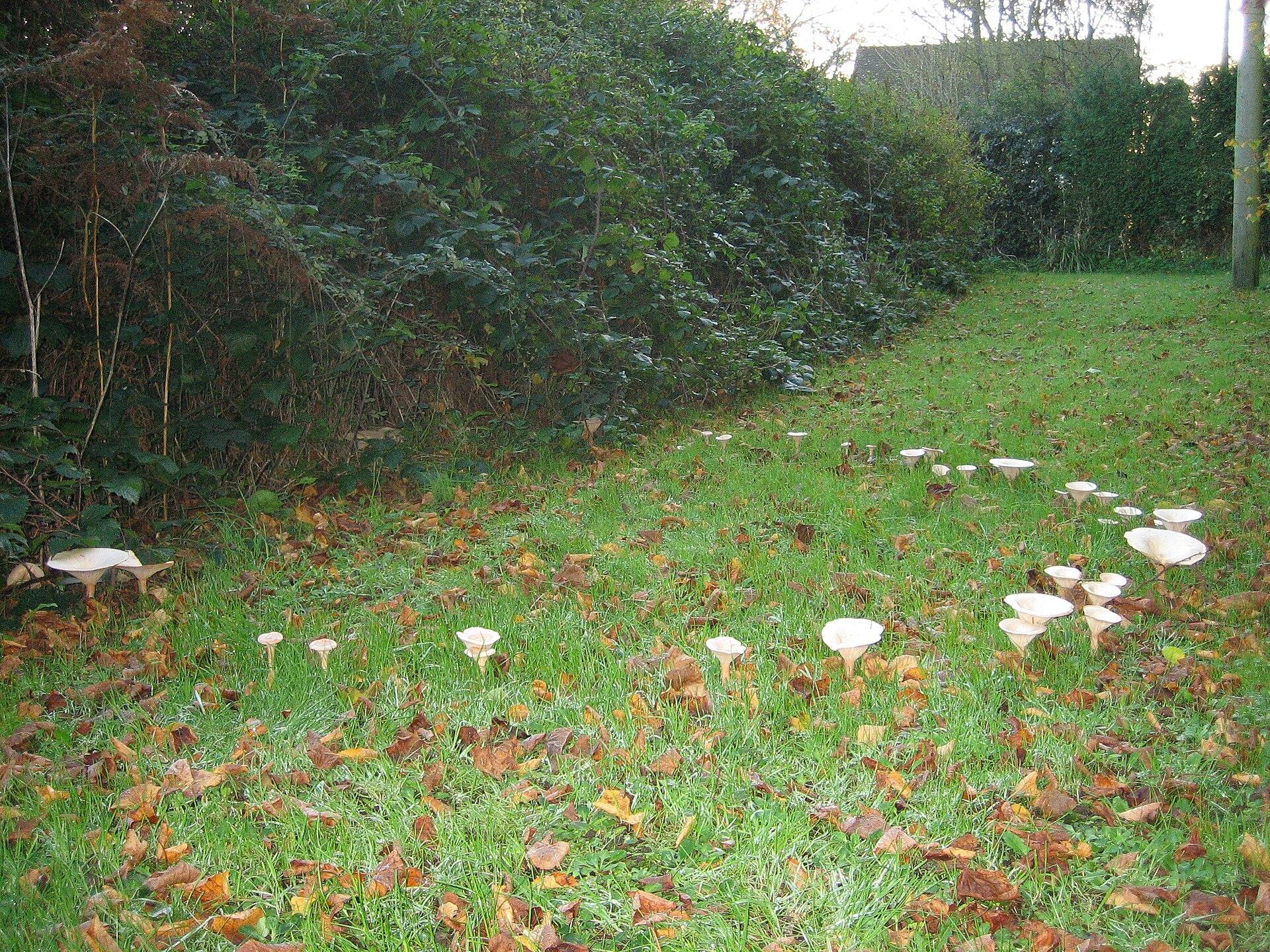
Lawn Fungus and Fairy Rings in Australia
Smoke-coloured mycelium, toadstools in a ring, and greasy spots after humidity are not always the same disease. Diagnose before you buy a fungicide.
Maya Chen · 20 April 2026