Drought-tolerant Plants for Australian Gardens
Plants that finish on rainfall once they are established — and the ones that only look tough in a catalogue.
By Priya Nair, Native plants editor · 2 February 2026 · 6 min read
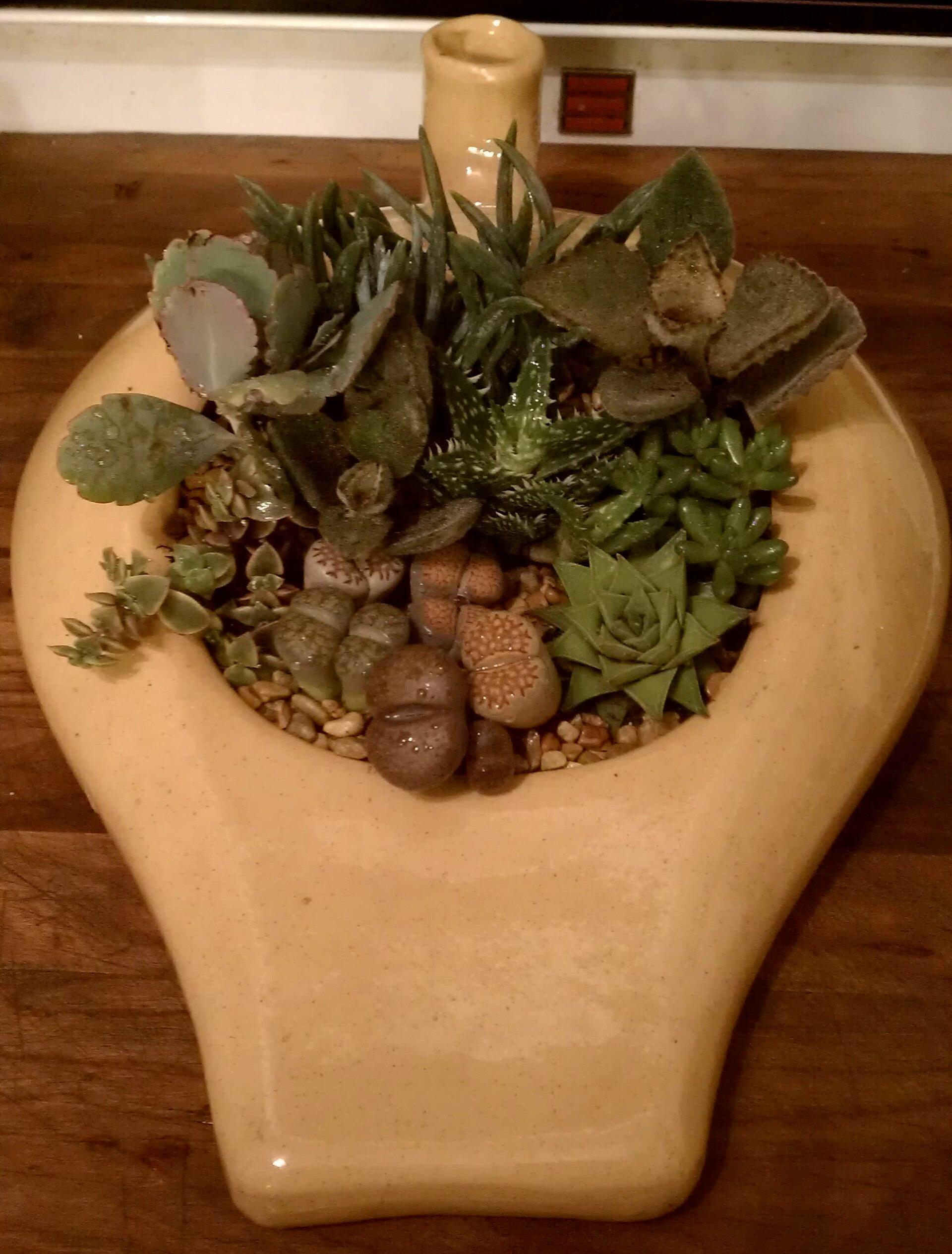
A drought-tolerant plant is one that, once its roots are down, can take our dry without weekly rescue. It is not a plant you ignore from the day it leaves the nursery. That misunderstanding fills the green-waste bin every April.
Natives that mean it
Local-provenance shrubs and grasses are the long game. Grevilleas on drainage, bottlebrush on ordinary dirt, westringia on wind, lomandra on edges, saltbush on the dry fence. See the native palette.
A tropical rainforest native is not drought-tolerant because it is Australian. A WA species on a wet clay is not drought-tolerant because it comes from a dry place. Match the ecology, not the flag.
Mediterranean and dry-climate imports
Rosemary, lavender, olive, fig, pomegranate, rock rose, and many sages earn their keep in southern summers. They want sun and a soil that does not sit wet in July. They are not a north-Queensland solution.
Succulents and the rot problem
Agave, aloe, many sedums and ice plants store water. They drown in a Melbourne clay winter if you plant them in a hollow. Gravel, slope, and a raised bed make them honest. They are excellent near a hot wall. They are a poor fill for a shady damp side.
Lawn alternatives
Dichondra, native violet, and some thyme carpets handle light feet. They do not handle a dog race. Zoysia and hybrid couch handle drought better than a rye mix. No lawn is zero-water in year one.
Establishment watering
The first summer is not optional. A deep soak every week or two, then less, then nothing but the worst heatwaves, is how a “drought plant” becomes one. A daily sprinkle is how it stays an infant.
Mulch. Group. Read the water-wise design notes before you buy twelve different “hardy” plants that want twelve different soils.
Drought tolerance is a relationship between plant, soil and time. Catalogue adjectives are advertising. Plant fewer kinds, in the right dirt, and water them like you mean it until they no longer need you. That is the list.
What “established” means
Established is not “planted last month”. It is a root system that has left the pot shape and found the profile. That is a season or two, sometimes three on a big shrub. Until then, you are the rainfall.
A plant that needed weekly water in year three is not drought-tolerant in your soil. Move it to the thirsty zone or replace it. Do not keep the fiction.
Use repeats. A drift of one tough lomandra reads as a design. A single specimen of twelve tough plants reads as a trial garden. Trials are for year one. Year five should look inevitable.
A note from the desk
Field note: succulents in a wet clay hollow are a winter massacre. Slope is a plant choice.
Climate, soil and the long view
Australian gardens punish copied calendars. A method that works on a Melbourne clay in November can fail on a Cairns wet-season afternoon or a Perth sand in February. Keep a notebook: soil type, the week the pest arrived, the product and the active, the week the plant recovered. That notebook becomes a local almanac worth more than a national magazine spread. Share it with the next owner. Gardens are longer than our tenancies, and the useful knowledge is almost always local, modest, and written in the same Australian English we use on this desk. If a guest writer can add a climate we missed, the write for us page is open. If we got a fact wrong, use contact. The work is the garden, not the performance of certainty.
A working shopping list by job
Hot west wall: rosemary, westringia, a tough grevillea on a mound, aloe if winter is dry. Play edge: lomandra, not a succulent kids will snap. Nature strip: check council rules first, then local grasses and groundcovers that take dog traffic. Clay hollow: bottlebrush, not a WA banksia. Sand: almost anything local, plus compost and a wetter.
Write the job before the genus. Catalogue pages are organised by flower colour. Drought is organised by root and soil.
The first summer roster
Week 1–2 after planting: water to settle. Then a deep soak twice a week in heat for a month, then weekly, then every fortnight, then only the worst weeks. Write it down. The plant that is still on a twice-weekly hose in year three is in the wrong place or the wrong species.
Mulch the day you plant. A bare planting in December is a cooking demonstration.
Keeping records, neighbours and the next season
The gardens that improve are the ones that write things down. Note the week a pest arrived, the active you used, the days until the plant looked better, and the soil under your nails — sand, loam or clay. Share the useful notes with a neighbour. A street that treats bindii in winter, nets fruit in spring, and waters deeply on rostered days outperforms any single heroic yard. The Green Doctor is written for that kind of suburb: practical, climate-honest, and willing to say when a plant is in the wrong hole. If your postcode behaves differently, send the desk a correction. We would rather update a guide than leave a reader watering a grub. The long view is a better lawn, a cleaner citrus, a native that lives, and fewer Saturday panic sprays. That view is built in seasons, not in a single product. Keep the secateurs sharp. Keep the mulch off the stems. Keep the questions specific. The rest is weather, which we do not command, and soil, which we can slowly help. Return to the relevant topic hub when the next job appears, and ignore any advice that cannot name an Australian climate. Certainty without a postcode is entertainment. This journal would rather be useful.
One more practical pass
Walk the garden with this guide in mind, not as a scripture. Check the soil with a finger or a probe, name the insect or the symptom, then do the smallest honest job — a deep water, a winter spray, a net, a prune, a mound. Come back in a fortnight and judge the new growth, not yesterday's damaged leaf. That habit, repeated through an Australian year, is worth more than a trolley of tonics and it is how a backyard starts to look looked-after rather than performed.
Questions gardeners ask
What plants survive drought in Australia?
Established local natives, many Mediterranean herbs, succulents on drainage, and tough grasses such as lomandra. Survival still needs a first summer of watering.
Is succulent the same as drought-proof?
No. Succulents rot in wet clay winters. They want drainage and a dryish cold season.
Can I replace a lawn with dichondra?
In light traffic and the right climate, yes. It is not a football pitch. It is a green carpet with manners.
Want to add a climate the desk missed? Pitch a guest post or send a correction.
Keep reading in water-wise gardens
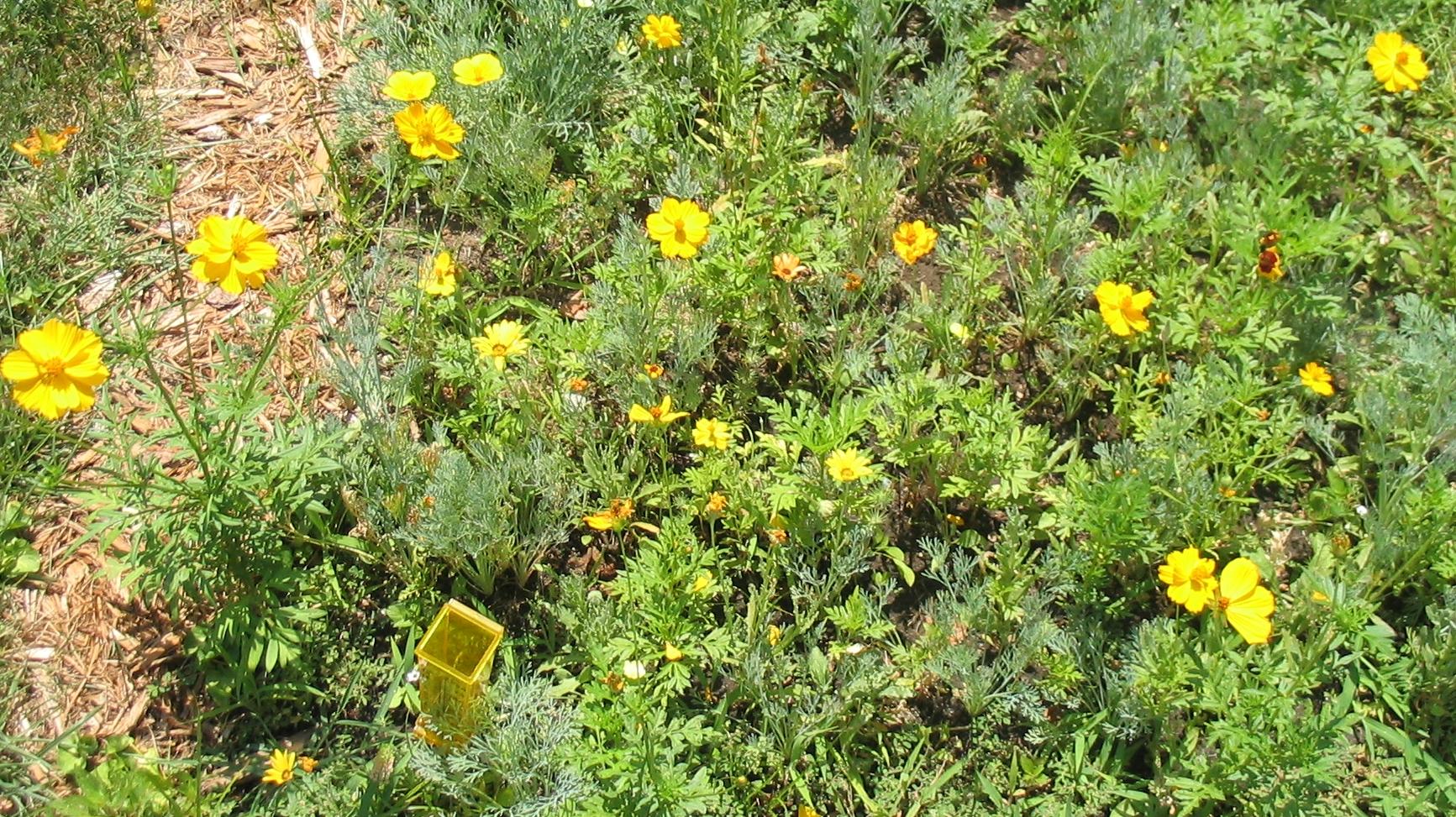
Water-wise Gardening in Australian Drought
Shrink the lawn, mulch the soil, water the roots, and plant what the rainfall can finish. Restrictions are a design brief.
Priya Nair · 18 January 2026
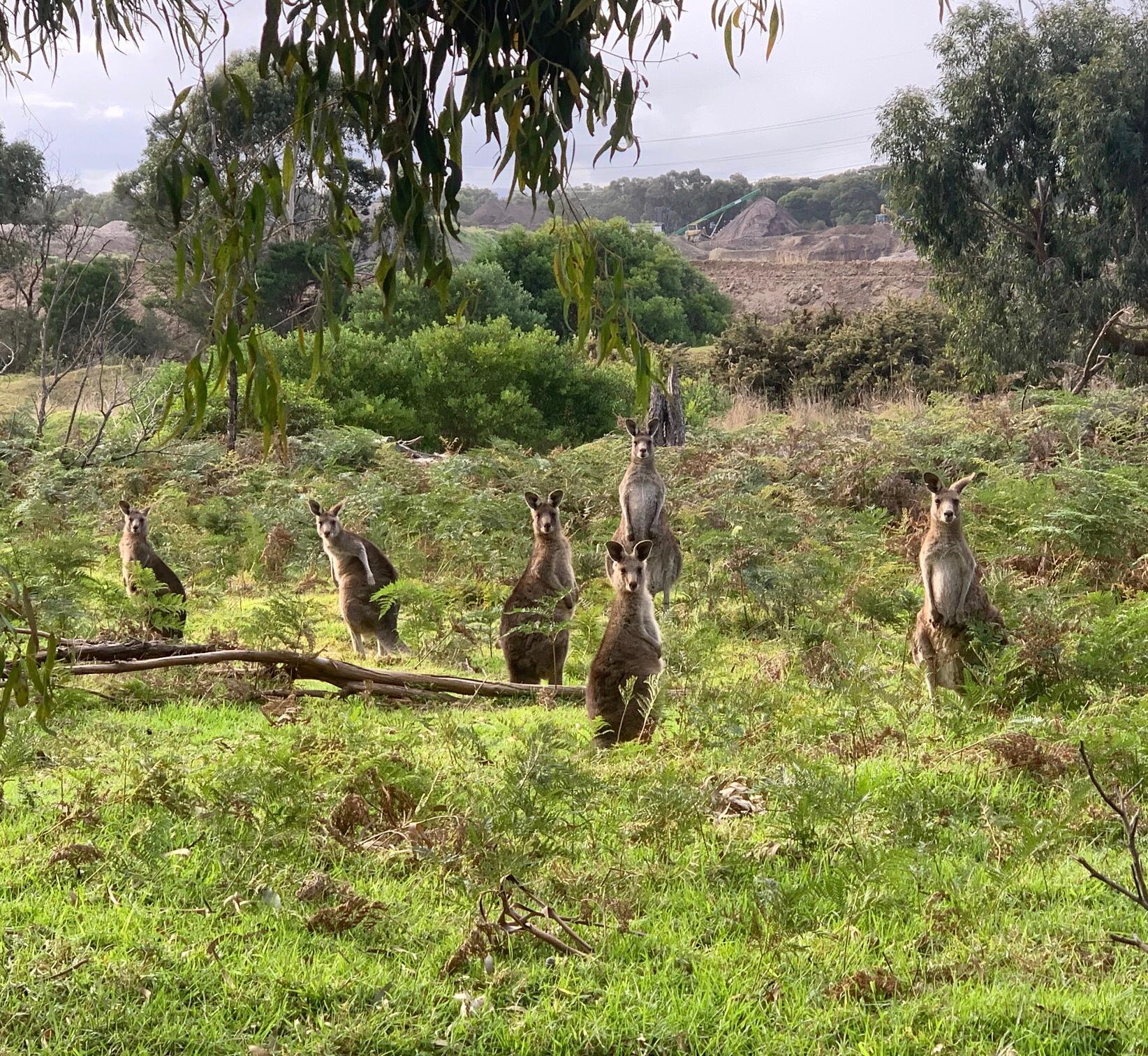
Best Native Plants for Australian Gardens
A working palette — not a national park in a 12-metre frontage. Match provenance, soil and nectar to the block you have.
Priya Nair · 11 January 2026
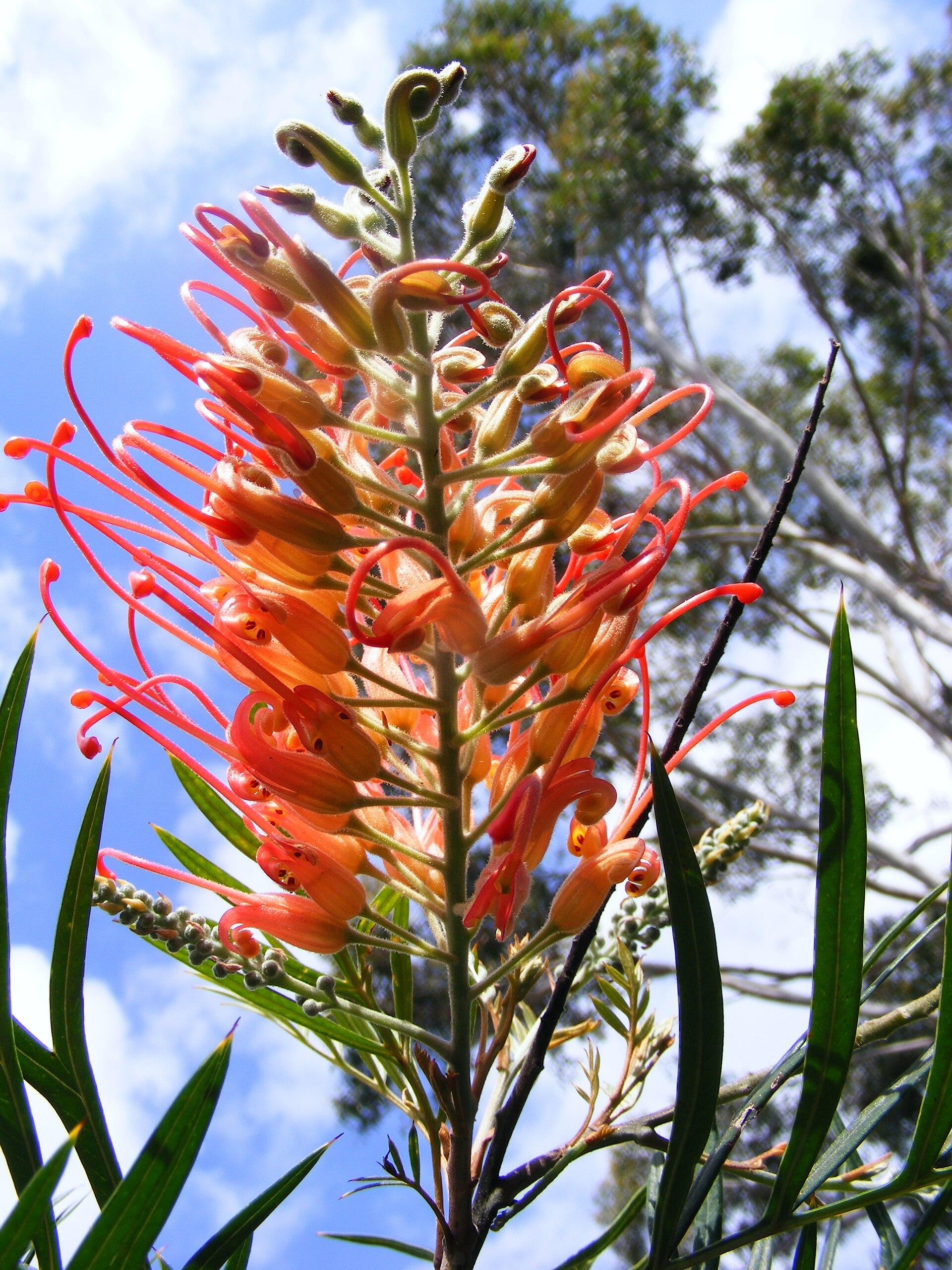
How to Grow Grevilleas
Drainage first, phosphorus second, pruning after flower. Grevilleas are not unkillable natives — they are particular shrubs with loud birds.
Priya Nair · 22 February 2026