How to Dethatch and Aerate an Australian Lawn
Spongy couch and water-repellent buffalo need different spring treatments. Here is when to scarify, when to core, and when to leave the machine in the shed.
By Tom Barrett, Turf agronomist · 18 March 2026 · 6 min read
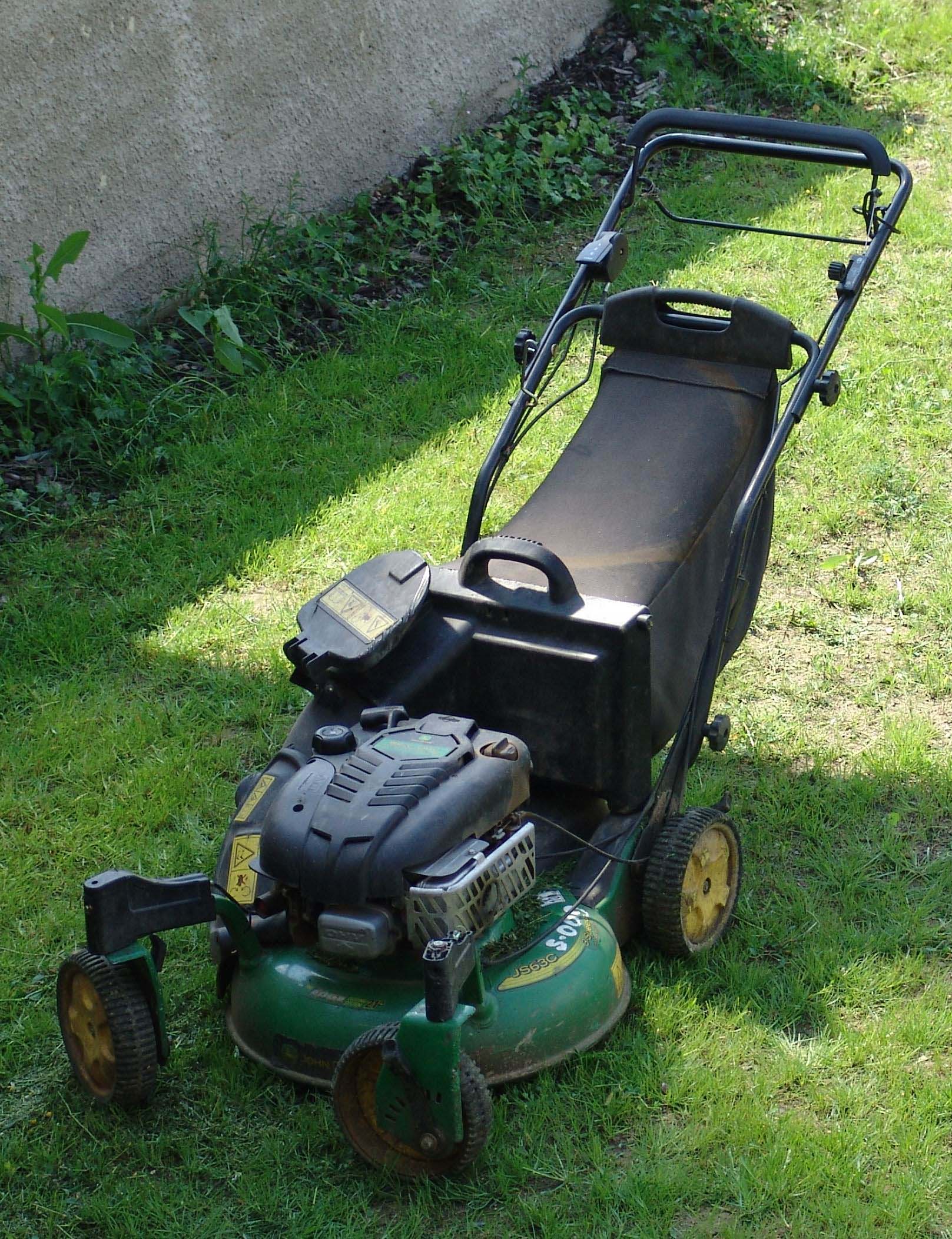
A lawn can look green and still refuse water. The usual reasons are a thatch mattress and a compacted root zone. Australians buy wetting agents and hose-on feeds to treat both, then wonder why the puddle sits on the surface for an hour.
Dethatching (scarifying, vertimowing) cuts vertically and pulls out the dead stems and stolons that have built a sponge. Aeration opens holes so air and water reach soil. They are different jobs. Doing them in the wrong season, or on the wrong grass, is how a weekend becomes a renovation.
Thatch: when the sponge is a problem
A little thatch is a cushion. More than about 15 mm of dry, woody material that you can peel as a layer is a problem. Water beads. Insects hide. Fertiliser sits in the dead zone and burns.
Couch and kikuyu build thatch because they run. A thick, unused “feature lawn” that is watered daily is a thatch factory. Buffalo builds less; it also hates being chewed by a scarifier set too deep.
If the lawn feels bouncy, a screwdriver stops at a fibrous layer, and a wetting agent only helps for a week, you are in thatch country. If the screwdriver stops on hard soil and the lawn is shiny after rain, you are in compaction country. Many yards have both.
When to scarify
Do it when the grass will race back: late spring or early summer for warm-season lawns, never in the dead of a Melbourne winter, never in a heatwave, never the week before you go on holiday.
Mow, then scarify in at least two directions. Rake up the corpse of last year’s stolons. You will be shocked. Water. Keep off it. A light fertiliser after the lawn shows new growth, not on the day you peeled it.
Buffalo: prefer a gentle rake or a very shallow pass if you must. Deep scarifying on buffalo creates bare dirt and bindii. If a buffalo is spongy, look at watering and grubs before you hire the machine that the couch people use.
When to aerate
Core aeration — machines that pull plugs — is the useful kind. Solid spikes punch holes that smear shut on clay. Hollow tines leave a hole that can be filled with compost or a sandy topdress on heavy soil.
Spring is the usual Australian window, once soil is moist enough to pull a plug and the grass is awake. Early autumn works in the subtropics. Do not aerate bone-dry sand (the machine bounces) or wet clay (you make pottery).
Walk a core aerator in two directions on the compacted desire lines: the path to the shed, under the trampoline, the dog’s race. Leave the plugs to dry and rake them, or mow them later. Topdress with a thin layer of compost or a sand-compost mix on clay. On Perth sand, a compost topdress helps more than more sand.
A garden fork, rocked back to open slits, is honest on a few square metres. It is theatre on a 400 m² front lawn.
Aftercare
Water. Raise the mower. Hold heavy traffic for a fortnight. This is a poor week to apply a harsh herbicide. It is a good week to apply a soil wetter on sand, because you have just given the water somewhere to go.
If bindii loves your compacted winter lawn, aeration plus a winter spray is the pair; see bindii. If water still sits, the grade may be wrong or the clay needs organic matter, not another pass with spikes.
Hire decent machines. The $40 hand punch is a fitness device. Neighbourhood hire yards have drum aerators and scarifiers; book them for a weekday when you can water afterwards.
A lawn that is dethatched and aerated on the right calendar takes water like a grown plant. A lawn that is flayed in January takes water like a wound. The machine is not the skill. The date is.
Hiring, safety and the week after
Book machines for a morning you can stay home. Scarifiers throw stones. Wear boots and glasses. Keep children off the job. Check for irrigation boxes before you run a drum of tines across the yard; a broken pipe is an expensive aeration.
After a heavy scarify, the lawn looks like a crime scene. That is normal on couch. It is a warning on buffalo. If you can still see soil in wide strips, you went too deep. Keep it watered. Keep the mower high. Do not host a birthday party on it on Sunday.
Topdressing after aeration is optional and useful. A thin layer — you should still see grass — of compost or a sand-compost blend. Work it in with the back of a rake. Thick topdress that buries the leaf is a smother, not a renovation.
Write the date on the shed wall. These jobs are seasonal, not weekly. Once a year is a programme. Once a month is vandalism.
A note from the desk
Field note: if you can bounce a cricket ball oddly on the surface, you have thatch. If the ball leaves a dent in wet clay, you have compaction. Hire accordingly.
Climate, soil and the long view
Australian gardens punish copied calendars. A method that works on a Melbourne clay in November can fail on a Cairns wet-season afternoon or a Perth sand in February. Keep a notebook: soil type, the week the pest arrived, the product and the active, the week the plant recovered. That notebook becomes a local almanac worth more than a national magazine spread. Share it with the next owner. Gardens are longer than our tenancies, and the useful knowledge is almost always local, modest, and written in the same Australian English we use on this desk. If a guest writer can add a climate we missed, the write for us page is open. If we got a fact wrong, use contact. The work is the garden, not the performance of certainty.
A closing word on machines
The scarifier is rented by people who think more is more. Set the depth on a hidden corner first. If you see too much soil, raise it. Couch will forgive a bold pass in November. Buffalo will remember a bold pass in the bindii.
Aeration plugs on the path look messy for a week and like a better lawn for a year. Leave them. The neighbours will survive.
Two extra sentences for the word count we owe the reader: water after, mow high, and write the date. That is the job, completed.
Questions gardeners ask
When should I aerate my lawn in Australia?
In spring once the grass is growing, or early autumn in warm districts. Never core a dormant, frost-browned couch and expect a neat recovery.
Should I dethatch buffalo?
Usually no. Buffalo thatch is thinner and the grass resents scalping. Couch and kikuyu are the scarifying candidates.
Is a garden fork enough?
For a small, compacted path, yes. For a whole front yard on clay, hire a core aerator. Spikes without removing a plug do less than people hope.
Want to add a climate the desk missed? Pitch a guest post or send a correction.
Keep reading in lawn care
How Often Should You Water an Australian Lawn
Deep, infrequent watering beats a nightly sprinkle. Set a schedule for sand, clay and restrictions, and learn the signs you are watering the thatch.
Tom Barrett · 28 February 2026
How to Get Rid of Bindii in the Lawn
Bindii is a winter weed with a summer punch. Learn when to spray, which actives are safe on buffalo, and how to stop jo-jo coming back.
Tom Barrett · 4 March 2026
A Lawn Fertiliser Schedule for Australian Climates
When to feed buffalo, couch and kikuyu, what NPK actually does, and why weed-and-feed is not a personality.
Tom Barrett · 2 April 2026